Short post but eh. Doesn’t hurt to have posts that aren’t 8000 words on hand.
Final Fantasy VII and Xenogears are two sides of one coin, and this shared DNA continues throughout MonolithSoft’s entire catalogue. The most extensive and exciting of which to me is Xenoblade 2, particularly in how Jin and Malos embody the two halves of Sephiroth’s visual design and psyche. I’ve discussed this before, but it’s been on my mind again lately, and since I’m finally-sort-of-almost-maybe ready to shove out the absurdly long videos that have been holding me hostage since, like, mid 2023, I’m in the mood to edit together a couple quick things that take maybe two days instead of two years. I have kind of an onslaught of little things to post. Much of the ideas, collages and sentences are borrowed from specialised sections in that longer video, but if Youtubers can cut shorts from their videos and sell it as new content, or if academics can spend their whole career iterating on one concept, then I can self-plagiarise and nobody can stop me.
Gentlemen. I am a screenshot addict. It is a problem. So I once again find myself with too many images and blurbs on hand and not enough people asking me for specific niche interpretations of the analogous characters in FFVII and Xenoblade 2, or how they’re penned with some genuine degree of validity due to Tetsuya Takahashi’s history with FFVII/Xenogears + Tetsuya Nomura’s involvement as Torna’s character designer. Gee, what a common and relatable problem this is.
It’s easy to point at Xenoblade Chronicles 2: Torna the Golden the Country and say that it’s obviously the Crisis Core of the series, given that it’s the playable tragedy prequel, but that runs deeper than you may at first realise. Because this for all intents and purposes is the Nibelheim Incident, based on five key sets of shared imagery. I’ve written at length before about Sephiroth, Jin and Malos as a thematic set, but not specifically as framed through the Nibelheim Incident, Torna and Amalthus.
Basically:
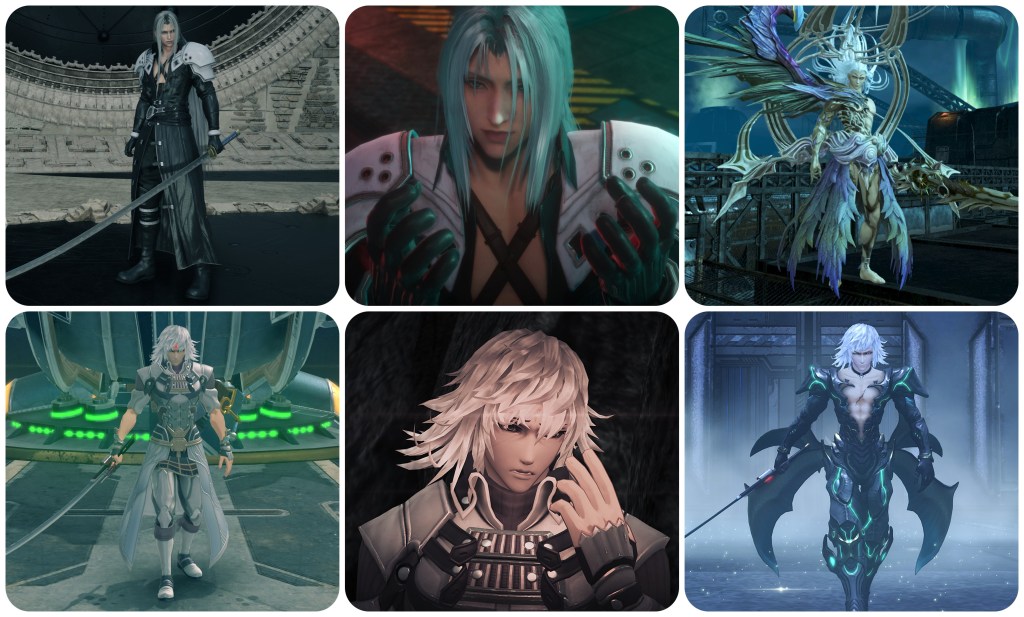
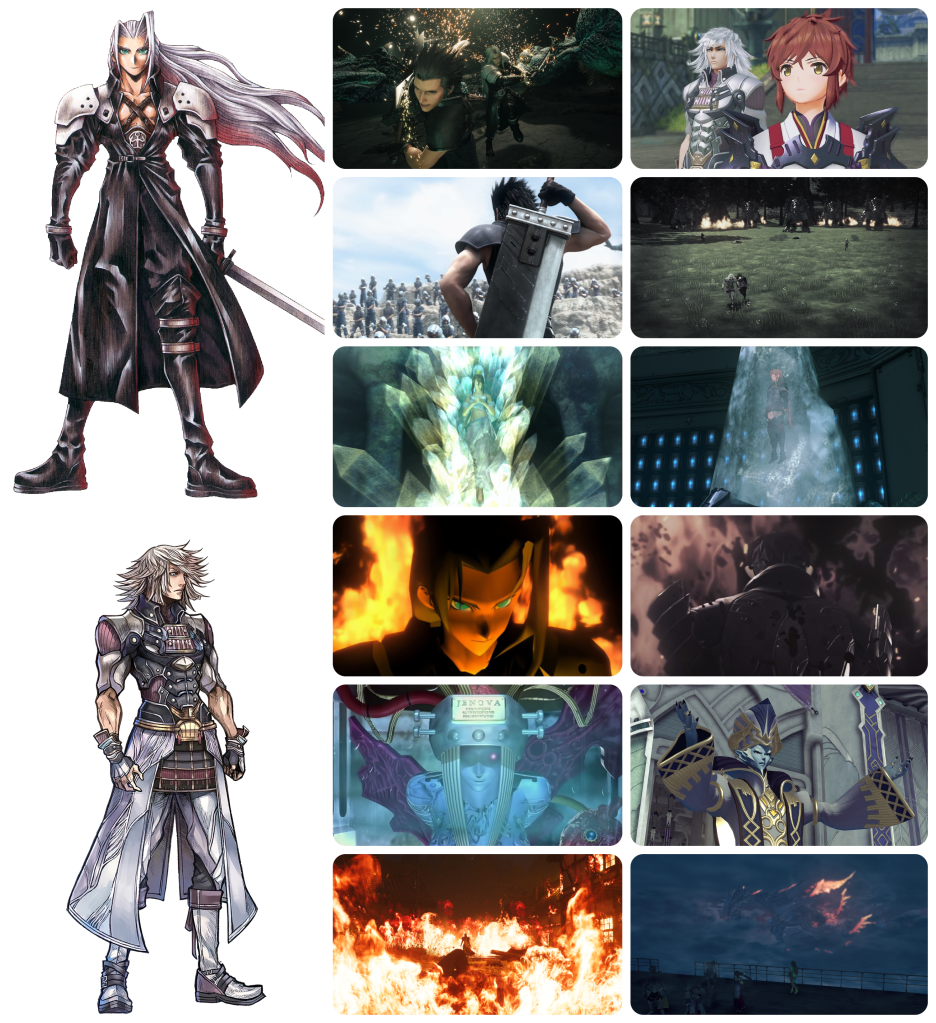
Jin embodies Sephiroth up to and including the Nibelheim Incident. He is very blatantly the most Sephiroth 2 character design that Nomura has ever done.
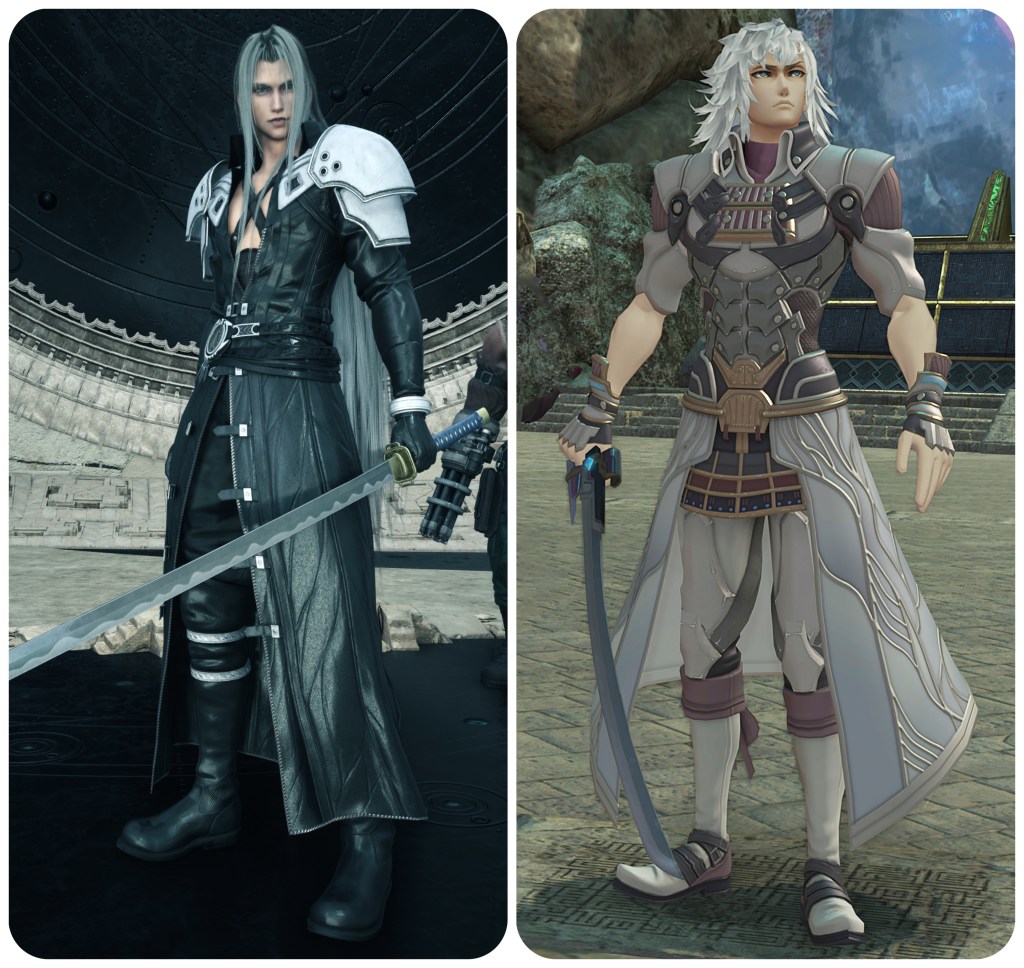
A powerful war hero corrupted through tragedy, with a near-identical outfit and again wielding a sword named Masamune. Sephiroth is the legendary SOLDIER, Jin is the Paragon of Torna. He fights on the side of humanity and takes pride in that, but when his original identity is overwritten (Sephiroth learning of his Jenova/mistaken Cetra roots, Jin becoming a hybridized Flesh Eater) he deems humanity unworthy to rule the world and wages this cultural, colonial war against those currently in power. Eventually, Jin and Sephiroth both gain powerful multi-winged forms.

Lora is Zack, the playable hero in the tragedy prequel. Zack wants to become a mercenary after making it back to Midgar, Lora is a mercenary. She heads to Torna (Nibelheim) together with Jin (hero Sephiroth), where they run into Malos (evil Sephiroth) who was still acting under Amalthus (Jenova)’s will at the time. Before long Torna (Nibelheim) goes down in flames.
Lora (Zack) ultimately escapes the burned settlement, but before long the Praetorium’s army (Shinra army) tracks her down and shoots her.
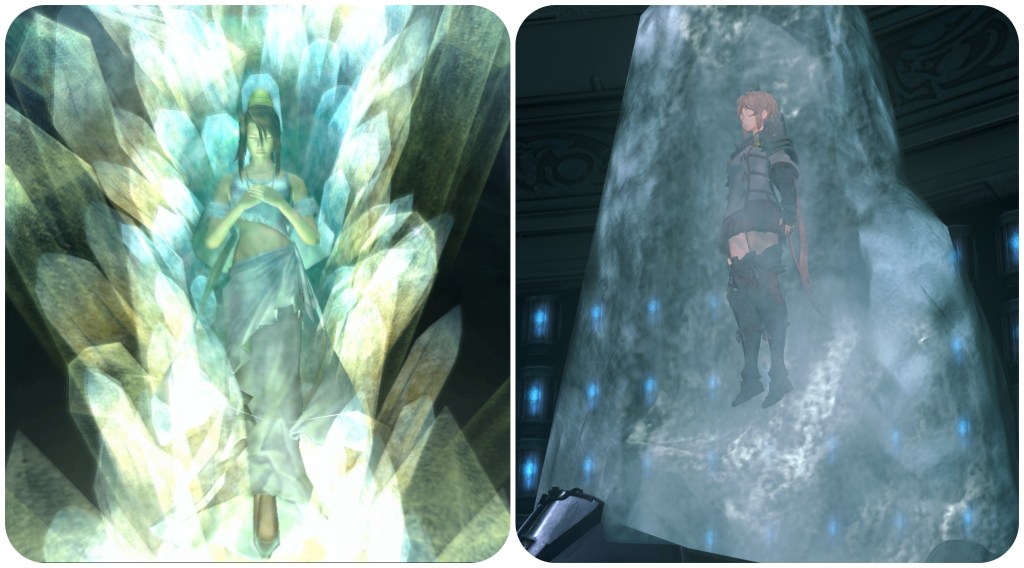
Jin preserves Lora’s body in a way that creates similar imagery to Lucrecia in the Crystal Cave. While Sephiroth played no part in Lucrecia’s crystallisation and never knew his true mother, the resemblance in imagery for these Sephiroth-linked characters is self-apparent.
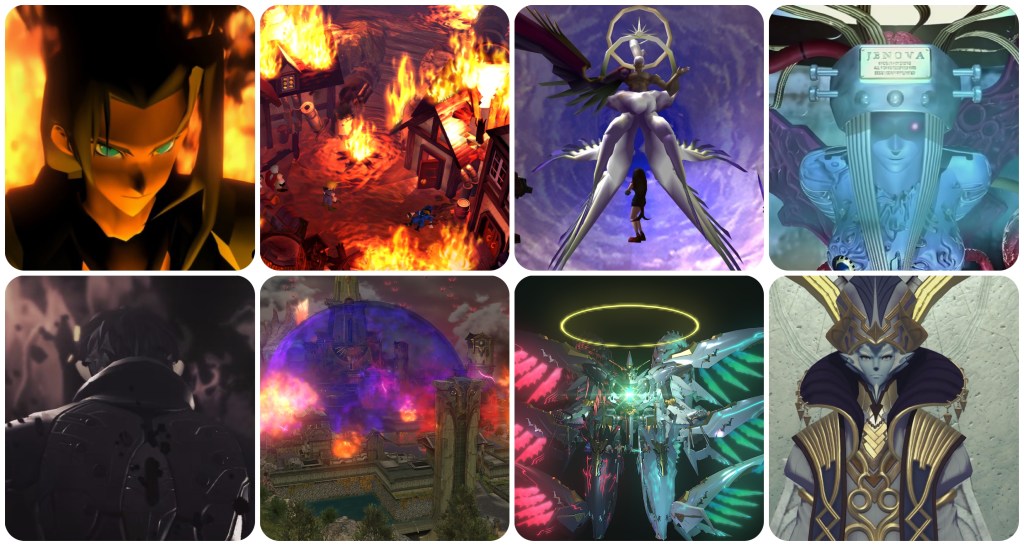
Malos is Sephiroth after his fall into insanity at Nibelheim. Thrashing around in divine panic as he searches for a way to stabilise his fragmented identity. Malos re-enacts Sephiroth’s iconic flame scene when first summoned by Amalthus, and forms a pair with Jin (symbolically the other half of Sephiroth’s psyche & storyline). Sephiroth merges with the Lifestream’s planetary energy to take on a form that has halos, six white wings and one black wing. Malos merges with a mech named Artifice Aion that’s powered by the Conduit’s universal energy. Aion’s colouration is split down the middle, a white half with three green wings and a black half with three red wings, and it has a halo.
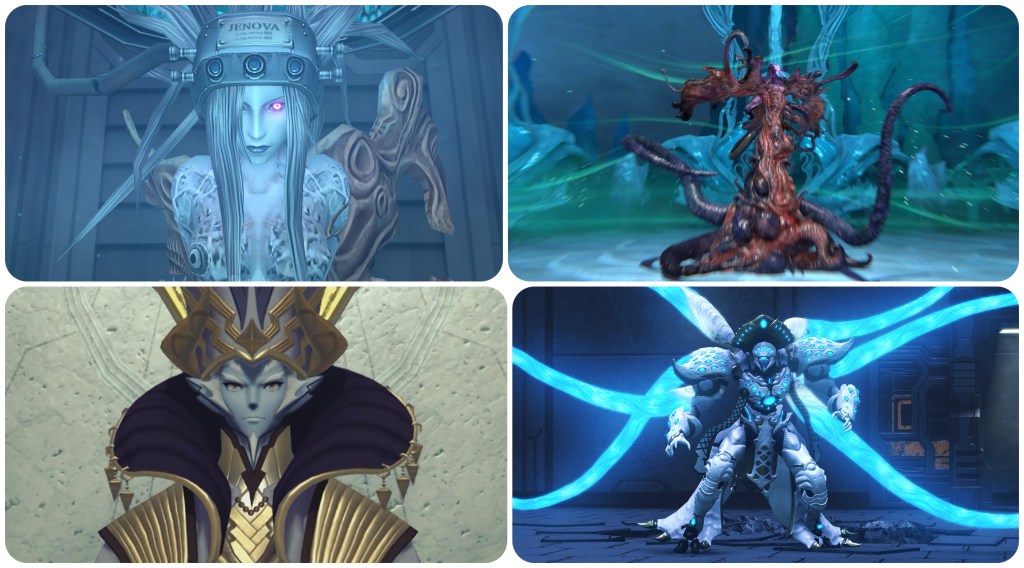
Amalthus is equivalent to Jenova. The ancient, secretive, DNA-harvesting, cell-manipulating, blue deceiver hanging over Malos/Sephiroth. Jenova presents herself as Sephiroth’s mother, Amalthus longs for his mother. They first appear human, but then transform into massive, tentacled monsters. Many believe that Jenova has control of Sephiroth and likewise that Amalthus is solely responsible for Malos’ evils, but both their wills are ultimately determined to be independent. It’s reiterated by Hojo, the FFVII Ultimania Omega and Maiden Who Travels the Planet that Sephiroth overrides Jenova’s will after they both fall into the Lifestream, and the Architect reassures Malos that he did have agency in choosing his path.
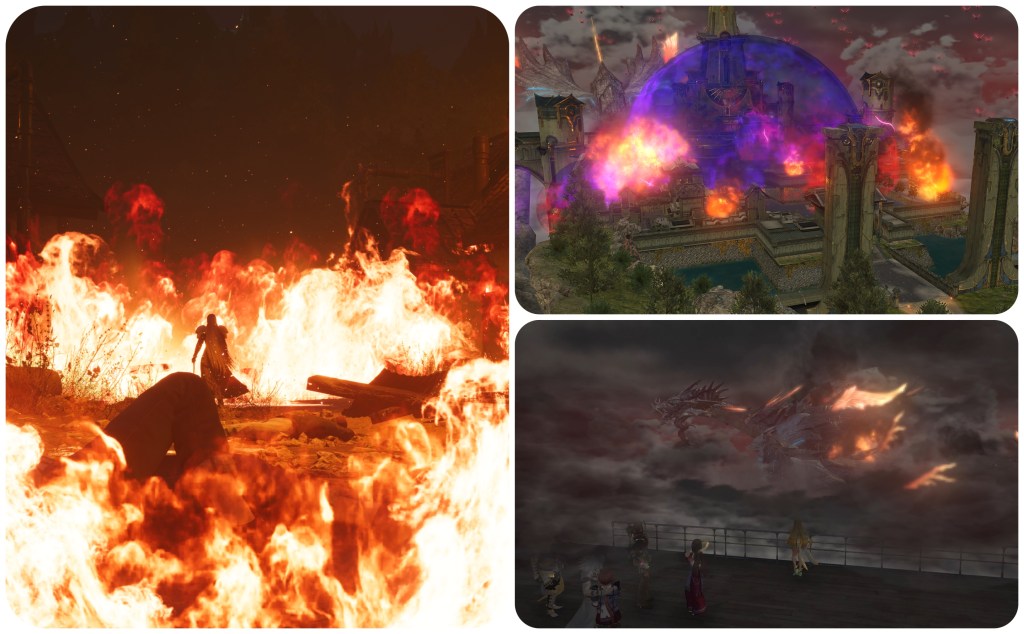
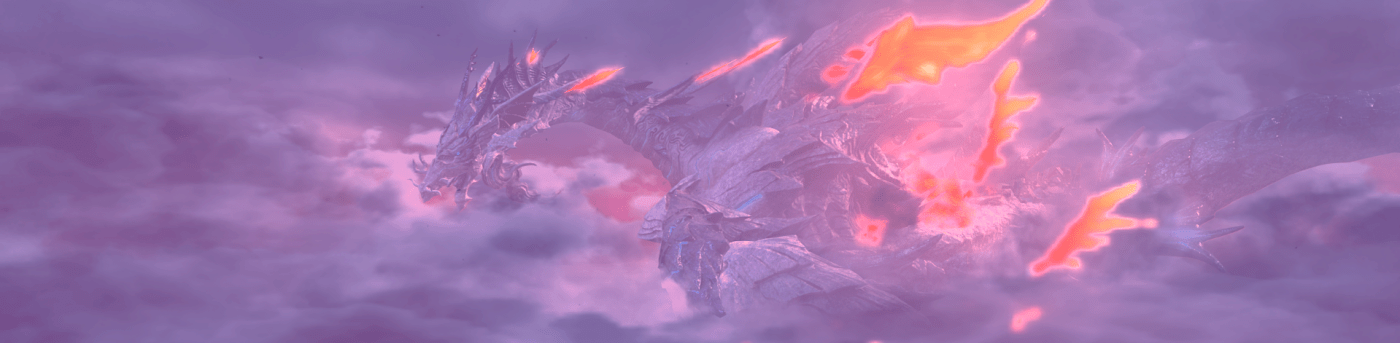
Torna is flaming as it sinks below the Cloud Sea, much like Nibelheim being burnt to the ground. The location in which the tragedy prequel is set gets destroyed at the end. But Nibelheim is rebuilt by Shinra as a coverup, and Jin names his group Torna to try and keep the spirit alive as they battle the Praetorium.
This is before discussing the Xenogears angle in all this, such as how the Praetorium is equivalent to Solaris, which is an an analogous pair with Shinra. Or how Jin and the Aegis War also follow the downfall story beats of Krelian, who is an analogous character to Sephiroth. Etc.
 skapbadoa
Leave a comment