To a vaguely accurate degree, at least. I noted down most my significant entries as they happened, but may be missing some replays of shorter games here or there.
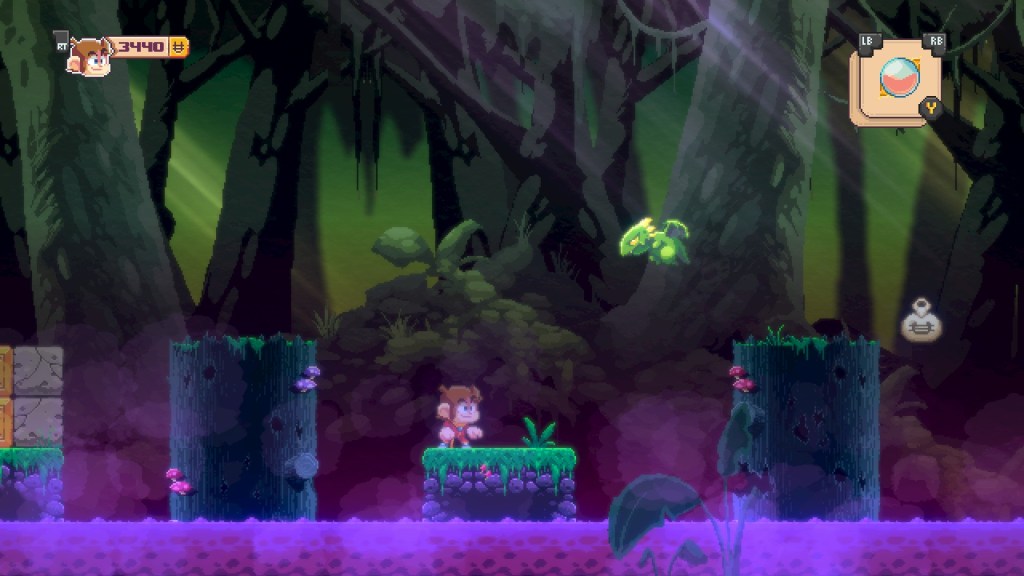
A very nice remake, but at its core there just isn’t a whole lot that can be done with the original Alex Kidd games. Historically they’re neat to look back on as super early platformer games but not particularly fun to play.

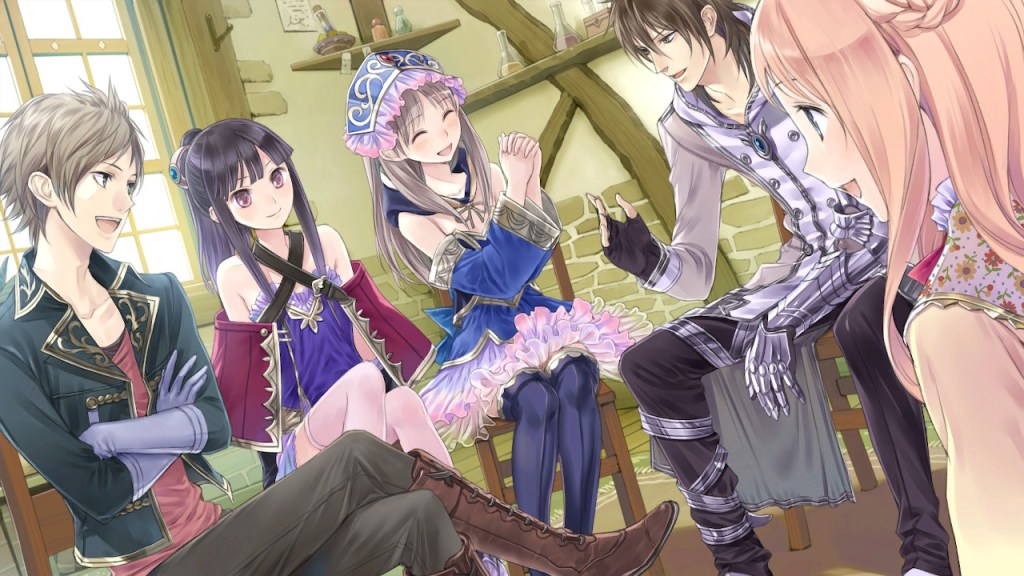
Ayesha foregoes the usual colourful craziness of the Atelier franchise, instead painting itself in earthen colours to ease the player into its drastically different tone. The Dusk trilogy is named for being set in “the dusk of the world”, where alchemists long past have nearly stripped the world’s life force dry. Everything in the game is framed within the boundaries of a deep melancholy (I made it approximately five seconds into the game before pausing to look up the opening OST), and it hits some pretty emotional story beats as Ayesha searches for her sister.

A cozy little game. Not as individually good as Ryza was, but it left me excited to keep going through the Arland saga and see Rorona’s her presence continues to influence the world that develops; Wanting to fully appreciate the warmth that would likely come from knowing Lulua from the fourth game is Rorona’s daughter was the reason primary reason I decided to play the first three in the first place.
The pre-Sophie games in the franchise get criticized often for the deadlines and time limits. To me the time management aspect isn’t a bad thing for the gameplay in and of itself since it makes planning out your journey an important part of the challenge (though Atelier Rorona using time simply to move between areas in each dungeon was a very iffy design decision), but despite that component being fun I’d argue it is still quite a bad thing overall because it makes it virtually impossible to see the entire story in a single playthrough. When you have 90 days in each segment, each gathering area is 2-8 days away, moving between individual sections of each area takes 1-3 days, returning to the workshop takes 2-5 days – most of your allotted time disappears in a flash. There’s such a limited window to actually take the cast out and build up your bonds that unless you use a perfect guide right from the get-go you are not getting all the character events in your first run-through. Which then leaves me hesitating on what to do now, whether to just look for scenes on Youtube or move on with the experience I got (since I don’t plan to immediately play the whole game over again). Felt a little soured right at the end because it was only there that I discovered the game has multiple endings with very strict criteria for the true ending. Which, I dunno, just isn’t fun for me. I’ve never been a fan of multiple endings.
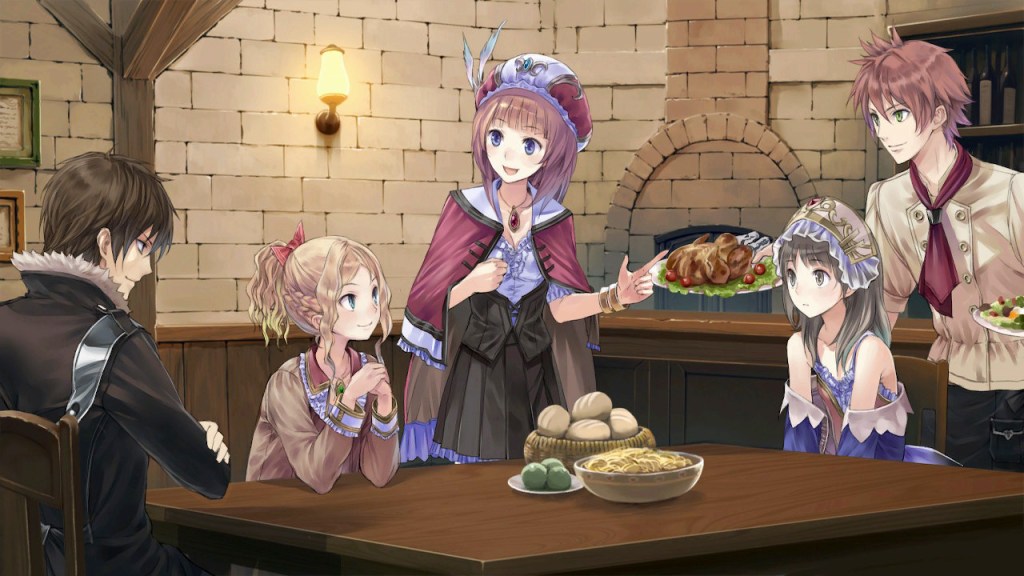
At first glance this game is a lot harder to make sense of than Rorona. Unlike the previous entry’s deadlines and item requirements, Totori merely provides a list of tasks awarding license points and tells you to have enough by the end of three years (without saying what rank you actually need). There were many times I felt totally lost, but once you get in a groove it gives that Atelier magic. The game felt a lot stricter on time than Rorona, but in actuality I don’t know if it was. The world map was larger here consuming more days, and rather than spending days to move between areas you instead use a portion of time whenever you gather or battle. Yet despite seeming harsher I felt like in Totori I was able to have much more spare time to follow up with multiple characters and events. Seeing Rorona as her mentor, Sterk and the others returning was every bit as fantastic as I thought it’d be.
Really nice game. Except I lost my notes. Here’s power metal from when you fight the dragon.
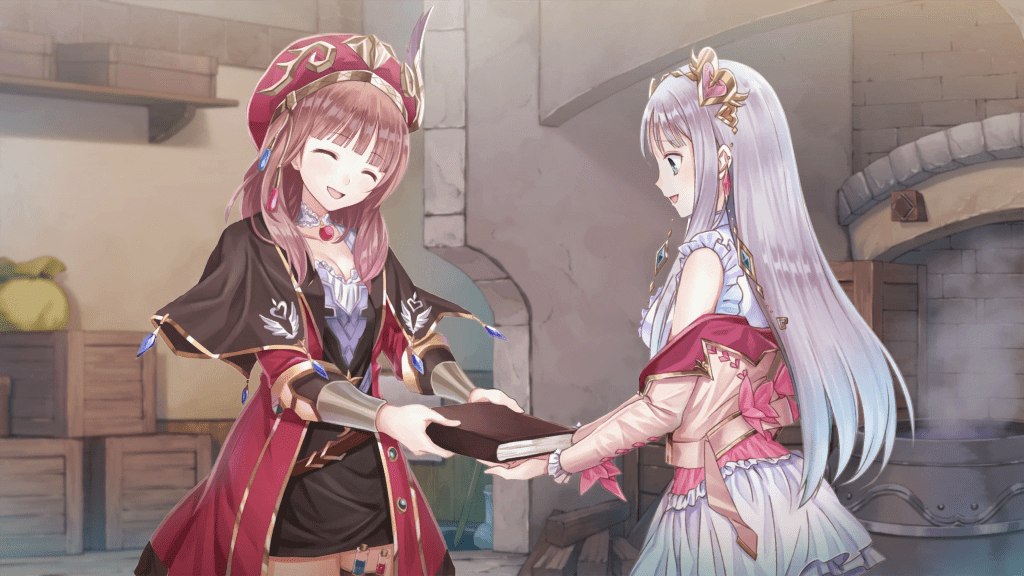
This works its way onto my favourite games list. It was every bit as rewarding as I imagined it would be watching Rorona slowly grow up and reach the age that she adopts a daughter of her own. In the previous games I felt it almost a little disrespectful to have the previous protagonists in my party rather than getting to know the new cast, so I greatly appreciated the assist system in the combat that meant Rorona could still visibly participate from the sidelines. The game itself perhaps leaned a bit too heavily on its prequels, but I can give it some leniency since getting to go back and explore most major locations from the past three games with higher graphical fidelity and a rotatable camera was very fresh.
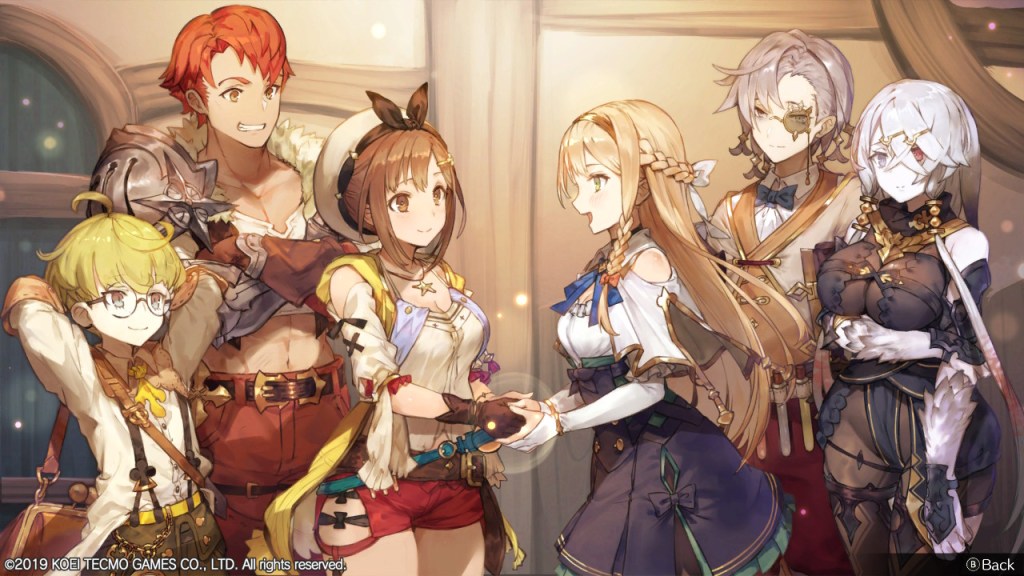
Really good! I had been hyping this up a lot but in all honesty I was prepared to be disappointed since Gust’s budget (or lack thereof) was so painfully evident in Blue Reflection, and I’m hesitant on crafting games, but surprisingly it totally met my expectations. Like Blue Reflection it was exceptionally easy even on Hard. Dare I say even easier? It’s never particularly challenging, but once you get Genesis Hammer around the midpoint you basically just OTK everything because of its strong Death effect. The final boss took like 30 seconds in both phases and never got the chance to attack. The gathering and crafting gameplay loop was such concentrated fun that I was convinced to continue to on to the broader Atelier franchise. Musically it was a bit of a miracle too. In style and quality the soundtrack sits alongside FFXII and Xenoblade 2, which is the highest kind of praise I could give.
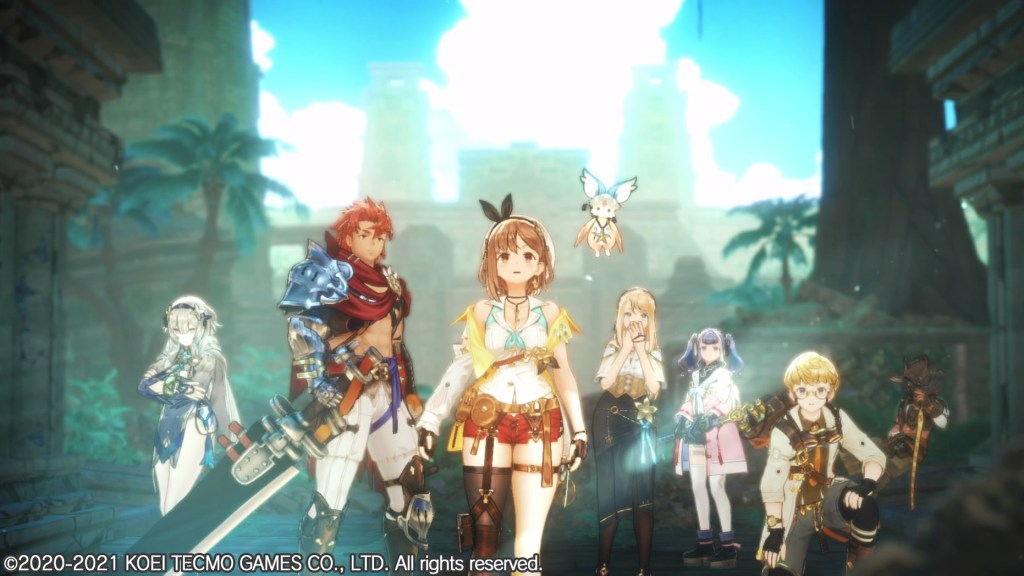
Still a good game, but somehow nowhere near as captivating as the first Ryza? The gameplay loop is as solid as ever and Patty was a great addition to the cast. But compared to the Arland saga, for example, it felt like the characters had no hugely significant growth between games. The story and feel-good dialogue felt even more excessively optimistic than any other Atelier offering I’ve played thus far to the point of being distractingly shallow, and although the ancient wars did offer a particularly fascinating story hidden in there through the information scraps, most of it was ignored in favour of Fi.

Played on Veteran. Took 45 hours spread a bit over a month to clear, and man was that a journey. At first I was convinced it would become monotonous, but by the end this experience has probably been my gold standard for a squad game. The difficulty was relentless at the best of times, seemingly insurmountable at worst. Sometimes the game will simply decide it wants to kill you and spawn more high health + high damage enemies than you could even pretend you have a chance against, and it similarly always felt fairly random when the RNG just decided to play nice and let us clear levels. What little I got of the story and character writing was as bad as one would expect from a game like this too. But ultimately a very good squad game to sink our teeth into for a while. I had a lot of fun with it. The absurd difficulty is definitely offputting and, as fond as I ended up becoming of that, a very valid criticism of the game. But beyond that I mostly feel that it caught way too much flak at the start for the simple fact of not being L4D2. That backlash was probably going to be inevitable, given how revered L4D2 is.
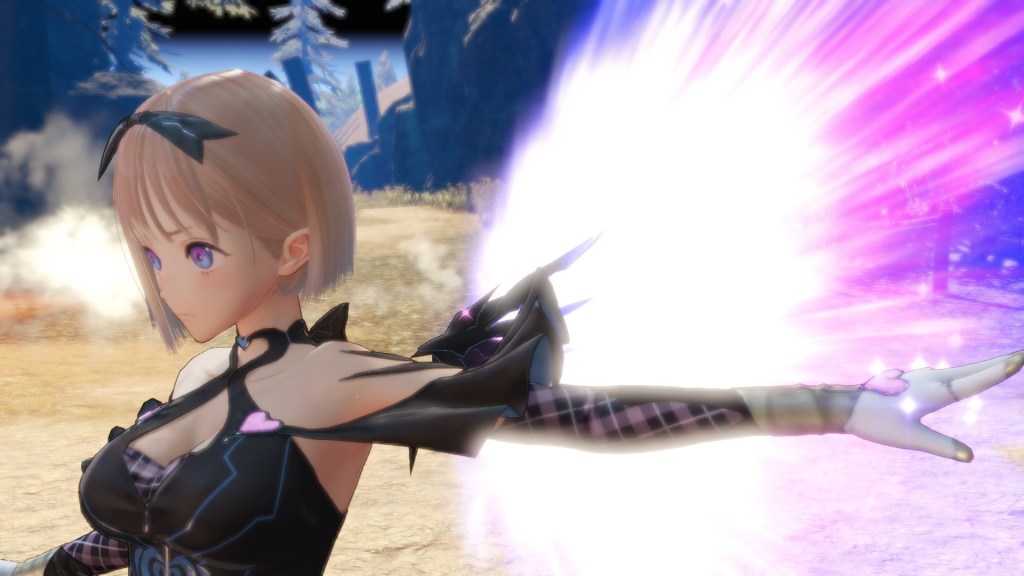
Franchise review time, I guess, since in order to discuss Second Light one must inevitably look back at Blue Reflection in its entirety. Blue Reflection has been a game I hold a lot of affection for ever since playing it. The game felt like a repetitive, uphill battle the entire way through and I always had to search for motivation to play it over my year-long dripfeed of gameplay, yet at the same time by the end I felt I was not ready to say goodbye to its world and characters. When news arrived that the project was going to be expanded, I was ecstatic. Gust has been on a roll ever since Atelier Lulua so the prospect of them taking another crack at Blue Reflection in their current state told me they were wanting to finally do it justice. The original game is an oddity. It simultaneously feels blindingly ambitious and totally phoned in, decorated with so many neat story, character and gameplay concepts that for the most part don’t ever come to fruition. That game has so much heart…and little else. The intimate scale of the protagonist’s journey is something I greatly respect, that instead of adopting the fate of the world or all that usual mahou shoujo biz she’s just an ex-ballerina coming to terms with her knee injury. But beyond Hinako and the surprisingly killer boss themes, the game was one with no substance beneath its style. Blue Reflection is at its best when you can immerse yourself in its airy atmosphere, since it actually offered little else beyond that.
As as they are now, however, I knew Gust would give it the chance it deserved back then. The first of the new projects – the anime series Blue Reflection Ray – is something that I’d best describe as ‘deceptively fantastic’, when taken wholly on its own merits. The amateur-ish presentation and somewhat generic story create a surface-level discolouration, but when you pay attention at all beyond that the music and characters border on incredible. However the way it expanded upon the Reflector lore and introduced so many new concepts made me wonder what this meant for the previous entry. The simple story of the original didn’t seem like it could work anymore within Ray’s setting of time loops, magical girl organisations and placing a much greater importance on Yuzu and Lime. Hinako’s character journey operated on a much less dramatic scale that Ray thus had no synergy with. Second Light is the piece that ties (see what I did there) it all together. Both the original that was seemingly incompatible with that which came after, and the apparent finality of Ray, are united in a natural way through its narrative. I am genuinely so impressed how deeply it interacted with finale of the first game and the implications the final battle carried for the world. The best characters and story components from each are pulled into the new all-star mashup of Reflectors. I think I still did prefer combat in the original and felt it odd the girls wouldn’t always be in their Reflector forms, but it was still very fun. The presence of actual difficulty was a quite welcome change (at least until I realised Shiho solos this game hard). Understanding of the turn order and ATB timing had a concrete effect on the tide of battle and thus rewarded playing well. By the end I was strong enough to where I avoided most battles in the last few dungeons, but I feel that’s always an element of Gust games stemming from Atelier’s resource-gathering focus – you fight enemies as needed, rather than simply everything in your path. Which is an interesting approach. The crafting mechanics felt like mere obligation in the original, which Gust were forced to put in as stewards of the Atelier franchise. This time they’re better integrated. The mechanics are not nearly as fluent as that of Atelier and you do seem to be permanently in deficit of supplies, but that’s okay because the game isn’t Atelier. I spent an absurd amount of time with the photo mode too, which took me by surprise. In nearly every way it’s just Blue Reflection in a properly-realised form. Both of those which came before were highly ambitious projects stifled by a visible lack of effort, but Second Light at last had the appropriate amount of care put into it. There is finally an unapologetically good magical girl game. The original was an aesthetic experiment more than anything, while Second Light is more about being an ordinary video game. This shift does ultimately cause it to diverge from the identity of the original, since the absence of the iconic boss rush meant Hayato Asano didn’t get nearly as much chance to go buck-wild with the big, bombastic multi-phase battle tracks, but it’s otherwise a positive increase all around. They gave it an unexpected second chance at life, and Blue Reflection was thus allowed to show its worth as a project.
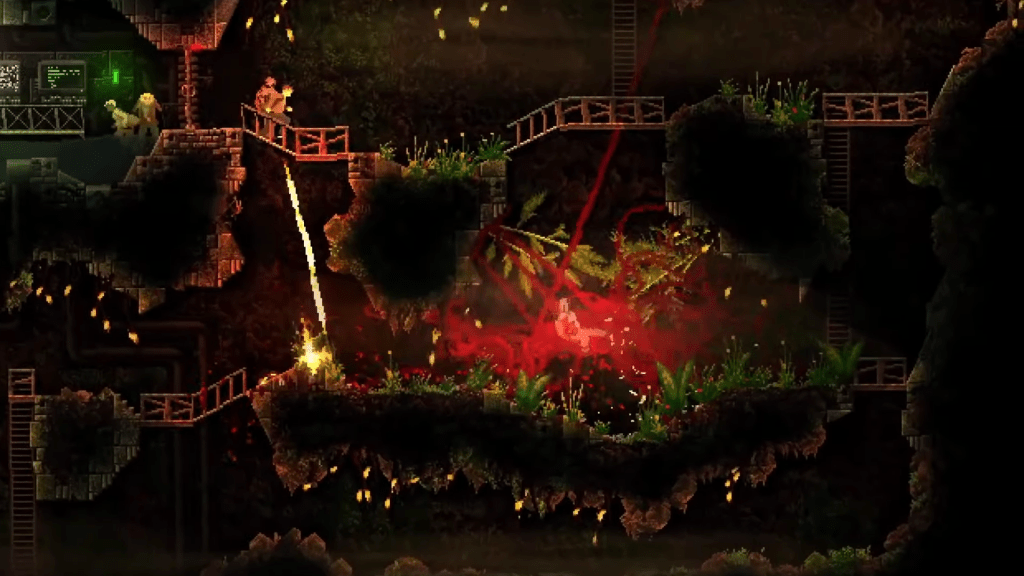
Fine, I guess.
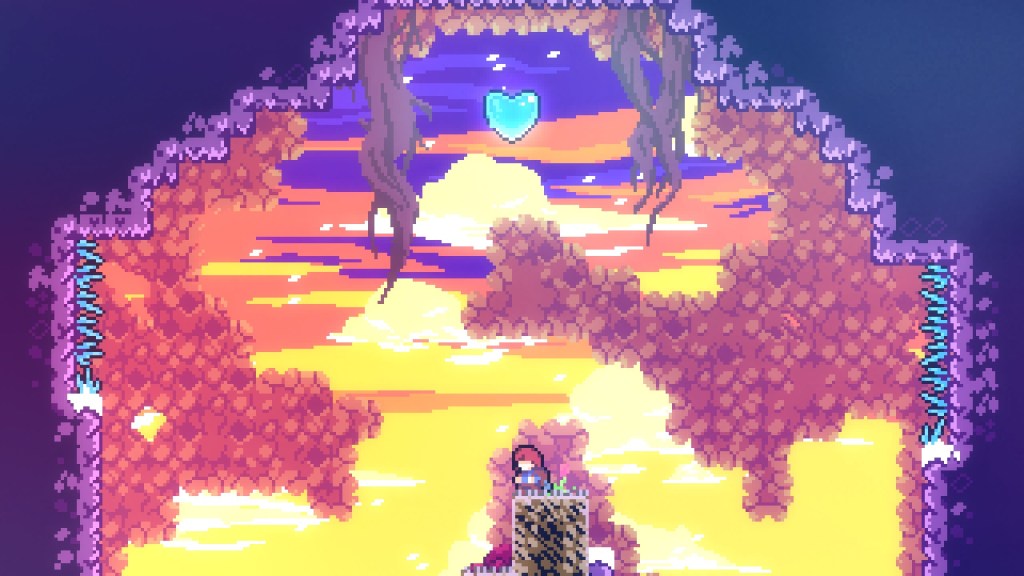
Surprisingly not my thing. Like, it’s good, but it didn’t captivate me the way other indie platformer icons such as Meat Boy and Ori had.
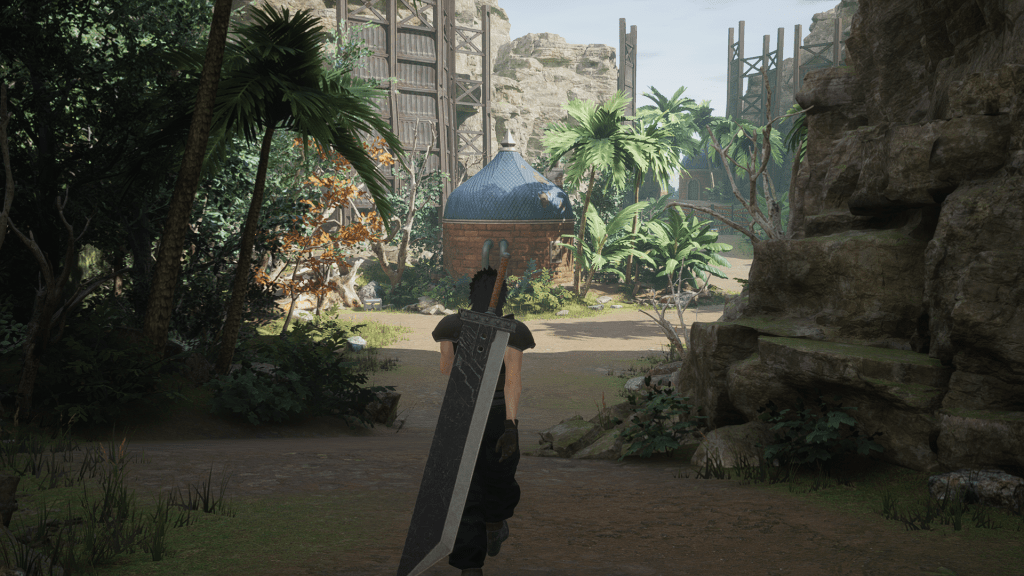
It is downright unbelievable how lush they managed to make Crisis Core look, and it providing much-needed fixes to the DMW system instantly raise the game’s score. Beyond that, it’s near 1:1 to the original game so my previous review still stands. An awkward script leads the dialogue to suffer, the effect of which is heightened now that the graphics so heavily resemble Remake, but the main party of Zack, Sephiroth, Aerith and the Turks are charismatic enough to assuage those woes in the moment-to-moment cutscene experience. If I had any reservations about the Remake voice cast left this chapter surely quelled them. The new Zack honestly isn’t all that bad, so I’m able to appreciate without issue how the voice direction and models highlight Sephiroth’s old friendliness so much better than the original.

The world is full of huge landscapes illustrated in gorgeous pixel art, the music is great, and combat is straightforward in a way reminiscent of older titles. Despite so many JRPGs using the slogan to seemingly no effect, CrossCode is a title which truly does feel inspired by the classics of old. Then injected with the fluidity of a modern game engine. The soundtrack’s instrumentation carries tones of Breath of Fire 3 and Final Fantasy VIII, the setting taking note from .hack and Phantasy Star Online, the protagonist resembles KOSMOS of Xenosaga and the world is drawn like like Chrono Trigger’s. And that’s to say nothing of the abundant references, like Dr Crescent and her bodyguard Vince in the town that looks suspiciously like Midgar. Yet also it never hinges on the nostalgia pandering, becoming distinctly its own thing right from the start.
My first impression after playing it for a few hours was that to find a game with such genuinely tough puzzles was refreshing. When last playing one I’d become weary of Legend of Zelda’s puzzle rooms, for the solution always being too obvious. Crosscode’s puzzles I hold in great esteem. But their development outpaced my own. It became increasingly frequent for me to boot up the game, take one look at the room and then close the game. When I did manage to not be scared off I would spend 20 minutes stuck on one room, and when finally solving it I’d again take one look over the next and then close the game. As the puzzles ramped in complexity, most sessions began and ended with “that’s a problem for next time’s me”. CrossCode is very fun and I would like to do the honour of finishing it at some point, but that “next time” is ultimately now become a vague concept. The puzzles are simply too big brain for me so I’m putting it on indefinite hold. But that isn’t a mark against its quality. I look at this game and I get why it’s held in such high accolades. I really do. I’m just too dumb to finish it.
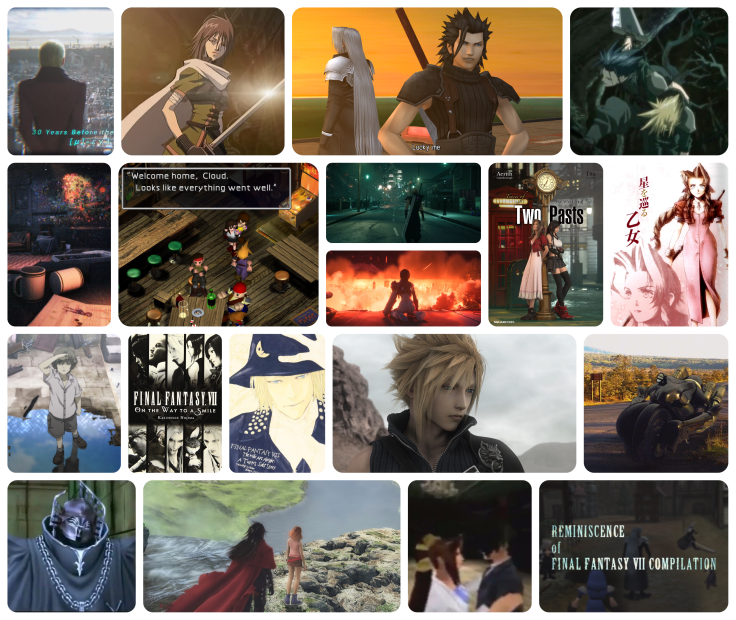
My favourite series that, approaching it from a review perspective, was even better than I remembered. If I’m being honest it’s been so long since I looked at Final Fantasy VII without bias that I was worried I may walk away dejected, but no, the whole saga is downright phenomenal. My love for it has been galvanised. Redoing the whole thing chronologically in order to see Sephiroth’s fall and the Buster Sword changing hands before Final Fantasy VII from a ground-level perspective was an incredibly valuable experience.
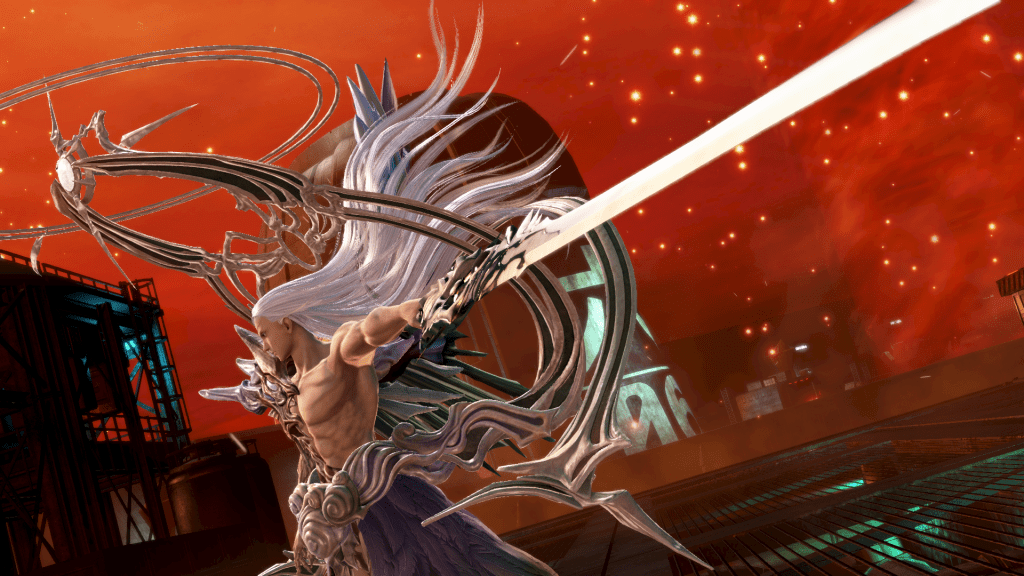
Story makes no sense because it’s been a decade since I played the PSP Dissidia entries, and gameplay is kinda mid. But the soundtrack is great and you can play as Safer Sephiroth!!
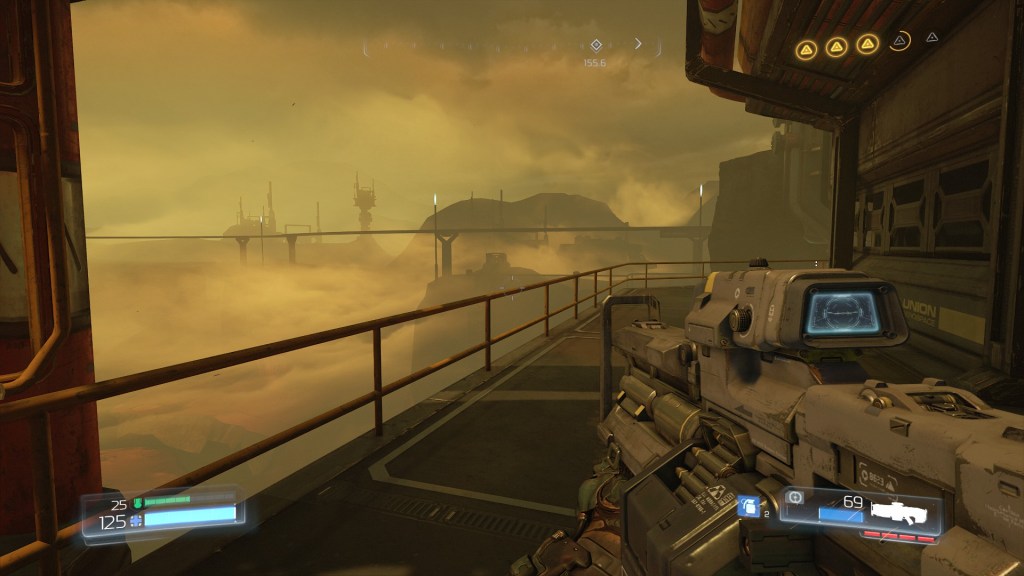
Yeah. That’s right. I’m a pro gamer. I beat Doom on easy mode. I became interested in this for the soundtrack and the promise of simple, high-octane action. Which were both really good, though fairly repetitive by the end. The balancing needed some work too since guns quickly become inferior to new ones, and I felt they were a bit too gung-ho in just throwing tanky enemy after tanky enemy at the player. Nevertheless it’s pretty fun. Gore and body horror really aren’t my thing however, and I can’t comment on the story at all since I had the dialogue muted to better focus on mashing buttons.

Technical improvements that make it more of a chore to play. I couldn’t quite manage to decide whether the game was great or terrible. When it clicked it really did, but in every other moment I found it annoying more than anything. The hub world breaks the arcade-like level progression that made the previous one so easy to digest and the level design fixates itself too much on climbing. It’s balanced around new features such as the precision weak-points and Flamebelch, which meant even more of my hitting the wrong key since I’m bad at the FPS genre. Personally I don’t like gore and the previous game was just about my limit already, so implementing real-time damage as you blow chunks of flesh off the enemies was offputting. Neither of those two are a fault of the game itself at all but nevertheless it was an element that discoloured my experience some. They added a bunch of little touches onto the formula to make it more complex, but a lot of it felt in excess. The ability to skip cutscenes was a much-needed QoL fix, but being bombarded with hub worlds and platforming and puzzles and an absurd amount of tutorials ultimately meant more and more things that impede my ability to mindlessly shoot things for hours. The more complex attack patterns from enemies such as the Marauder and Hell Knight were highly frustrating and having so many of these enemies simply impossible to target with the chainsaw feels like a slap to the face. It’s supposed to be a one-hit kill for the sake of fun, for cheating past the things you can’t be bothered to tackle. What’s even the point of having it when it can’t hit anything you actually want it to? Ugh. They take away explosive barrels right around the point where you realise you can combine the ‘immune to explosions’ + ‘ explosive barrels drop ammo’ + ‘explosive barrels regenerate’ perk too. It feels like fun was not on the forefront in that decision. Even on easy mode I found this was significantly more difficult than the 2016 game. However this didn’t enhance the experience any. It instead unfortunately made it even more repetitive, and with all this together there were times I was tempted to drop it.

Simplistic in storytelling, yet still carrying surprising sci-fi elements like a time loop and fallen supercivilizations – it’s Final Fantasy. The rudimentary game design carries a certain purity that gaming has moved past long ago. Short and sweet…or more apt to say shorter and sweeter, given that the Pixel Remaster streamlines it down to only about 8 hours. It’s been so long since I played the PSP version that I remembered naught, meaning that progressing the plot more or less demands a guide after a certain point. But that abstract adventure is a refreshing, nostalgic experience in its own right. I think I’ve tragically lost my taste for classic JRPG random encounters so the shorter runtime now makes this much more appealing than the 20th anniversary PSP remakes. Although difficulty balancing is a bit wonkier since Chaos is several orders of magnitude harder than the rest of the game. But it is hard to let go of the PSP version’s art style. I’ve never liked the designs for the advanced jobs in any other version of FFI. The music is about on par between them, though with a slight lean in favour of the Pixel Remaster renditions.
Additionally, it was very interesting to revisit this with the Phantasy Star quadrology at least somewhat fresh in my mind. Certain things like the Aero-Prism and Air Castle stick out as references to Final Fantasy’s Levistone and Floating Fortress. I seem to recall one of the entries borrowed FFI’s mechanic of certain equipment casting spells when used as battle items too.

I’d played the PSP remake of FFI before, but on my few attempts at starting the accompanying version of the second game I somehow got lost as early as the first time stepping into the world map. Resulting from this, Final Fantasy II, III, IV and V have always been an obvious gap in my experience with the franchise. I’ve played just about everything that comes after them, yet the franchise’s classic era felt like a locked chest. I’d picked up little bits and pieces from Dissidia, which would only further emphasize their sense of mystery and intrigue. Part of me does feel a slight tinge of regret that I didn’t simply get around to them earlier in their original forms, but I think that the Pixel Remaster is a project that I really needed in order to finally find motivation to tackle them. The amount of progress this game made as a sequel is insane. While the Warriors of Light certainly were present, their complete and utter lack of agency in the narrative makes Garland the central character in Final Fantasy I. Functionally-speaking, FFII’s Firion then becomes Final Fantasy’s first proper protagonist. His personality is ultimately pretty basic too from not having much dialogue, but when viewed in the context of “FF’s original character” he becomes a bit of a spectacle. The franchise and fanbase have forgotten him, despite actually holding such immense prestige.
Ultimately I do still find myself preferring the more experimental settings introduced after FFVII’s revolution, compared to the homogenized high fantasy of the retro FF titles. But nevertheless, FFII’s medieval setting displays a high level of potency due to The Emperor’s effectiveness as a villain. The story is surprisingly brutal. Mateus repeatedly succeeds in massacring the rebels. After the first game’s relatively painless story about the princess and an evil knight, I didn’t expect Final Fantasy II to immediately leap into such widespread war and death. After only a single attempt the narrative managed to strengthen itself so dramatically. The gameplay is considered the entry barrier of the second Final Fantasy, and I do recall having being put off by it beforehand myself. By the time of the Pixel Remaster however, I found myself well-versed enough in JRPGs that the levelling system wouldn’t make me so much as bat an eye. The encounter rate is tediously high, but really, when isn’t it? I’m not sure I’ve ever played a JRPG that left me satisfied with its random encounters. Having to backtrack to Altair after seemingly every plot point is pretty torturous, but other than that the game design evolves by leaps and bounds. Environmental design is much more dynamic than the prior game. Musically there weren’t standouts like Chaos Shrine and Castle Corneria, but on the whole the soundtrack felt more balanced. Where Final Fantasy was a bunch of ideas slapped together, Final Fantasy II then focuses on making all its elements work synergistically. To simply be a better video game. All up, assuming that the Pixel Remasters are at least somewhat of a faithful indicator of the original releases, this game is a phenomenal sequel. To the extent that it exposes the first game as feeling like a tech demo.
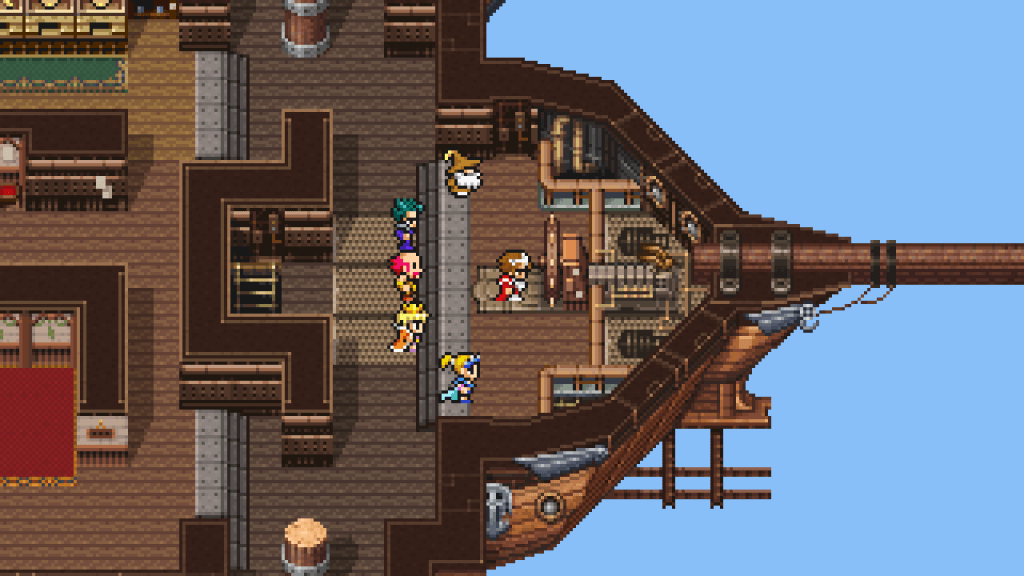
With this being the first time FFIII was localised in a form reminiscent of its original style, this was the Pixel Remaster I was most anticipating. However unlike the prior two games, I can’t say this rose to the occasion. “Let down” is not quite how I would put it, but rather that I found it shockingly nondescript. There are still a handful of powerful moments in the journey – particularly the sense of foreboding mystery that arises from leaving the floating island and being greeted by a totally flooded world. But on the whole the story felt lacking in presence. Particularly, I felt that they took too much liberty with player assumption. Events and characters tend to take a running start with a critical lack of introduction. Why am I doing this? Where did I learn I needed to? Why do those guys already understand my goal? Either I was accidentally and persistently sequence-breaking, or the game just wasn’t explaining itself properly. The characters talk more yet are less memorable than Garland and Firion. Resulting from this, compared to most other entries in the series I too find myself without much to say. It’s a necessary breather after the experimental second game, maybe? In writing and structure it feels like it’s shied away from the ambition that the second game had built itself upon, but in the long run perhaps it was good for Final Fantasy to have taken its time to establish a core status quo here. It’s clearly an important piece for the franchise since there are notable references carried forward. Cloud Smiles being adapted from an FFIII tracks is something I was aware of, but not which one specifically. However the first time you set foot in Amur that familiar melody immediately washes over you. Beyond the franchise, the victory lap that marks farewell to the game is enacted once again in Chrono Trigger. The lengthy miniaturized sections and the way the party call for aid before the final battle are things that probably went on to influence Earthbound. One of the most interesting things about finally tackling the earliest Final Fantasy titles is noting just how influential each new game was, and III does not slow down in that regard. It’s a very visible step in the franchise’s growing identity.
I knew the DS remake was notorious for being tough, but the difficulty even in this streamlined version was a rather dramatic leap from the previous two games. Sometimes that makes for a refreshing challenge, since the gil runs sparse for most the game and thus requires taking careful inventory of your potions and phoenix downs. The encounter rate is much more bearable here than in the prior two games, which helps. Other times though, especially as it builds to the finale, it’s plainly just annoying how it becomes intoxicated with the idea of multiplying enemies and inundating the player with quake, meteor or particle beam spams. The runtime winds back down to about 10 hours so the game ends before you’d ever decide to drop it, but it is straight up frustrating more often than I’d have liked.
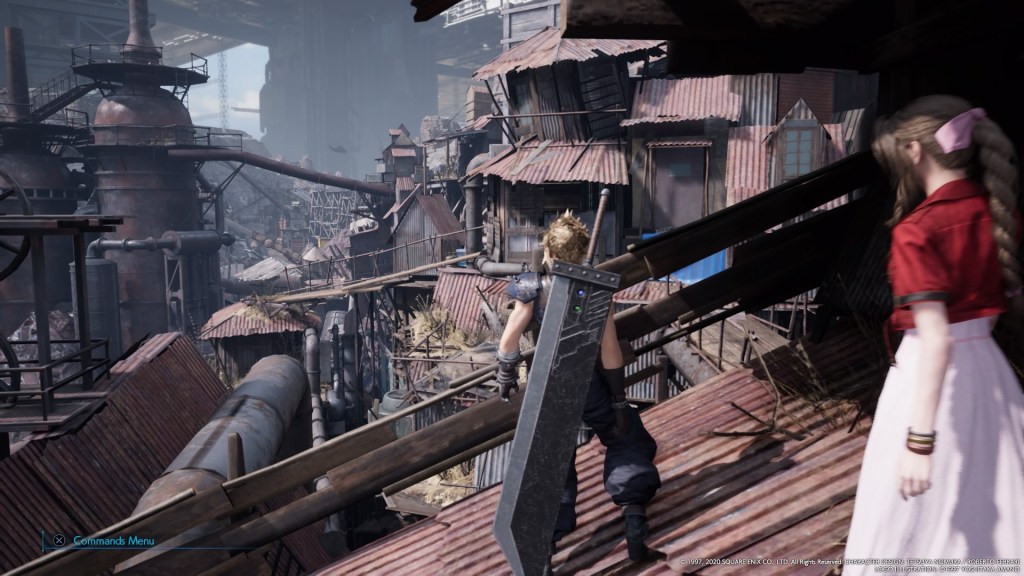
I’m somehow more in disbelief that this is a real thing that really exists after playing it than I was when it was still unreleased. I already know Final Fantasy VII. I already love Final Fantasy VII. So all I really needed to consider this a success was for it to be a “Gaia HD Simulator” where I can see some of my favourite locations and cinematic setpieces in glorious Squeenix HD, and my goodness does it fulfil that in spades. It’s just a constant stream of awe at the grimy architecture of the slums, or seeing Midgar as an actual functioning city. But everything surrounding that was great too. It seems like for every 2 minutes spent following the plot I spent 6 just wandering around and staring at things. So much time has been spent just blankly admiring the sight of the plate above Sector 7 while listening to the music haha. I’ve always said that since upscaled Crisis Core was already like a breathtaking semi-remake of VII then the real one would probably blow my mind, and that held true. One particular moment that’s really stuck out to me was the alleyway scene after the first Sephiroth encounter. The music they used in that scene was a somber version of The Promised Land from the beginning of Advent Children. It’s something that probably meant more to me than most others, but that part totally made me stop in my tracks. I pay a lot of attention to music in games and anime, and VII’s soundtracks have all always meant a lot to me. I suppose it was never really in question since the very first teaser was set to Beyond the Wasteland from Advent Children’s soundtrack, but it’s still really cool to see them dipping into more than just the original game’s soundtrack. The music itself was phenomenal. I was a little worried after playing the demo where all the renditions of Bombing Mission and Mako Reactor were orchestral only, but there ended up being a healthy helping of the synths that were so emblematic of VII’s steampunk identity.
Although it’s probably a little controversial I do like, or rather appreciate the change in style. Not as something that replaces the original per se, but as a new imagining. It was always apparent to me from reading their PR for the game that they were approaching this “remake” not with the mentality of “updating 1997’s Final Fantasy VII to modern standards”, instead “what if we made FFVII in the late 2010s”. So I have no reservations about the difference in direction or pacing, indeed I’m actually really excited at the prospect of them taking Midgar and turning it into an entire standalone game. Using the “remake” branding since that’s VII’s big buzzword that isn’t technically incorrect, but being a dramatic reimagining based on the same script. A new Final Fantasy VII, not just a shinier coat of paint. With the flashy combat and movie-level theatrics, this version ends up feeling like what VII would be like if it was envisioned more in line with the wider Compilation. Losing some subtlety along the way as it becomes a bit less politically ambiguous, but supplementing it with a hammier and more action-packed aesthetic, full of ridiculous anime-esque fights as Cloud flash-steps around and leaps incredible heights with ease. Whether it’s the entirety of Advent Children, the Sephiroth-Genesis-Angeal fight scene in Crisis Core, the assault on Midgar cutscene of Dirge of Cerberus, even wider stuff like Dissidia, Kingdom Hearts, Mobius Final Fantasy, or heck even the VR theme park ride they had a while ago, everything outside the original VII has always that style of breakneck aerial combat going on. So it’s really neat to see a reimagining of the original that puts it in line with those. I also enjoyed some of the Compilation references like Myler talking about a secret lab under the slums (Deepground from DoC), or them paralleling the AC motorbike fight with Cloud leaping onto the other guy’s bike and using Braver on it – even if I ultimately think the Remnants were an embarrassment who should be scrubbed from VII history. Very nearly had PTSD from the mentions of degradation and “type S and G SOLDIERS” though. There were tons of changes to the narrative, big and small. It’s inevitable though when you think about their aim of taking Midgar and turning into its own individual game. What was originally just the introductory segment (lasting only 3-6 hours generally) had to become a standalone game with its own dramatic setpieces and high-strung climax. Which means that with the new pacing some things from the original obviously don’t work anymore. The biggest one for example, is that in the original Sephiroth is treated much more mysteriously. The first time he’s even mentioned is when you climb the Shinra tower, follow the trail of blood and find President Shinra impaled with Masamune, and it’s not until way later that you even see him for the first time. But that obviously doesn’t work when Midgar is its own game, since the new audience will be clamouring for VII’s famous villain. Generally speaking the changes can be attributed to excess. It sacrifices some of the subtlety and moral ambiguity of the original; Tifa isn’t supposed to start having doubts until after the plate drop, for example. But in VII:R they launch right into that character conflict from her very first appearance. Or how Wedge was originally supposed to die after falling from the pillar, and Jessie never had that whole arc about visiting her home and seeing her decrepit father. Rather it instead chooses to supplement it with a sense of theatrics, becoming hammier and more action-packed, full of anime-esque fight choreography as Cloud flash-steps around and Tifa effortlessly leaps into aerial combat. The original was more grounded, you didn’t have these smartphones, holograms and magical grappling guns. VII:R’s style ends up falling in line with what we saw of its older extended universe works like Crisis Core and Advent Children. Though for as much as there is to hate on in the Compilation, likening VII:R to them isn’t a criticism imo. I’ve been really appreciating seeing a VII that resembles them more, since there’s always been such an obvious stylistic divide between the original and the Compilation. As as a long-time fan all the small references and nods were fun too. In fact one of the parts I enjoyed most in the game was just watching how Reno and Rude are straight out of Advent Children with their banter and fighting style.
Apparently a controversial take, but I’m not quite sold on the sequel/time loop/Rebuild theory quite yet. Most of it seems to be hinging on Sephiroth’s all-knowing personality and the scenes of actual Compilation footage in the Arbiter battle. But like…that’s just Sephiroth. Him being this seductive, taunting overseer isn’t something that requires him to be the AC character. That’s just Sephiroth. He’s been that way since Dissidia, and frankly even the original game. It’s how his modern character setting is understood and implemented. These are all the modern incarnations of their respective character settings. These are anime swordsman Cloud, Aerith from The Maiden Who Wanders the Planet and Compilation Sephiroth. Not in narrative, but in irl construction. That’s just where these characters are at nowadays. The Compilation footage used likewise can be simply explained away as them merely reaching for existing high-budget CGI they already had. Note that they only used the scenes from ACC’s opening which specifically recreated VII events. When the Whispers and their fascination with fate are already a surface-level narrative element it’s simply more coherent to accept that the borrowed footage ties into that.
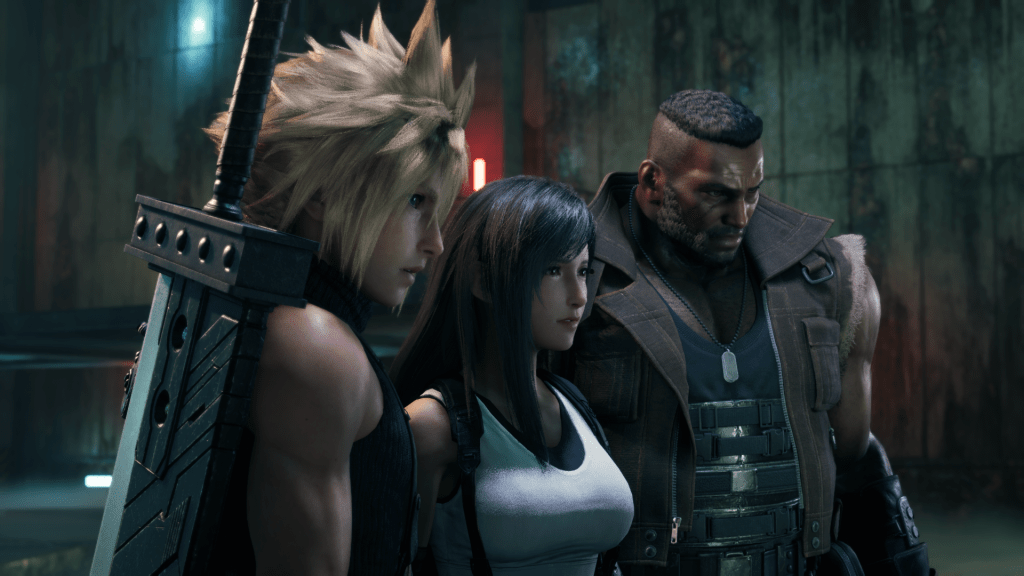
Having finished replaying Final Fantasy VII Remake’s main campaign on the PC release of Intergrade, my thoughts are mostly unchanged from my original playthrough in 2020. The presentation is unreal and the combat is great. At any given moment it’s just mindboggling to look at the party and go “holy moly that’s Cloud. That’s Barret. Being all HD remakey and stuff”. The graphics are drop dead gorgeous, and that’s for the most part all I need from a remake of Final Fantasy VII. But then, the action combat also feels like a massive glowup. The whole game is just like playing one of them badass Crisis Core cutscenes. When you look at all the complementary content, Remake’s directing and combat feel like the experience that Final Fantasy VII always wanted to be. And that’s seriously awesome.
Phenomenal game, and the fact I gave it a 10 obviously reflects that. Yet I also still consider it as much of a missed opportunity as I originally did too. Anything they adapt from the original game is incredible. But I can’t say the same for the story in its entirety. A lot of the new stuff, particularly that relating to the Whispers, ranges from silly to downright laughable. I love this character and think I’ll ultimately be happy to explore more of him in an alternate universe because that snippet of Zack on the church stairs made me emotional very quickly, but before that sways me I really just need to say: Literally what the hell Square Enix. You cannot revive Zack. That compromises the whole point of the story and Cloud’s character. This is the story of Cloud’s strife. He fails to save Zack, and he fails to save Aerith. Cloud falls into depression because of this, but then overcomes that by successfully saving Tifa and Denzel. Those character moments are so integral. It’s how Cloud’s growth is signposted. But if Zack didn’t die on that hill and ask Cloud to be his living legacy, then who does that make Cloud? It’s just not a good change. Do not Thrice Upon a Time me, Nomura. Final Fantasy VII is not a property that needs a Thrice Upon a Time. They’ve hinted at Aerith being afraid to sacrifice her life this time around and Sephiroth acknowledging that Cloud can save her, and I had always written that off since obviously it’s not Final Fantasy VII without Aerith dying, and her response has always been that “I never blamed you. Not once.” But now that Zack is actually for-realsies alive again now, I don’t know what to believe. For the most part Remake does feel like it has great respect for the original game in how it makes its alterations, but the suggestions about Zack and Aerith border on blasphemous. Not making it a straightforward readaptation/expansion of the original is fair on their part, however it is still a decision that I feel ultimately damages the game. The reason why, aside from just general storytelling incompetence, is that for 90% of its runtime Remake is geared to be a unified Final Fantasy VII. Remake brings the characters and the lore of Gaia up to their modern definitions. They sacrifice some ambiguity from the original and instead supplement it with a sense of excess. It deliberately has a hammier and more action-packed aesthetic that evokes the style of Advent Children and Crisis Core, and it makes specific references to Compilation subjects as well. They unite the visual design by having summoning materia look the same as it did in AC (though in saying that, I do find it a bit strange Cloud never got the Jenova eyes during his episodes like he does in AC). They mention the degradation, they mention Project G, and there are certain musical links such as the original trailer being set to Beyond the Wasteland or arrangements of The Promised Land and Elfe’s Theme. Johnny reuses his established design from Episode Denzel, therein revealing that Dyne will likely look the same way he does in G Bike. Kunsel gets mentioned. They even threw the Weiss program in there! Remake feels like it’s rewarding you for being familiar with the rest of the Compilation. And with that in place I am certain that we will eventually run into Cissnei, Shelke and Genesis out there wandering the world. Let me visit the town of Banora. Let me fight Minerva in the North Cave. That’s the kind of stuff I want to see! For the majority of this game the message conveyed by its stylistic choices is that this will be a new, unified version of the original story that replaces it within the Compilation timeline. Finally creating a version of the story that has synergy with all the otherwise tone-deaf sequel content, and severing the original’s controversial ties to everything that came after. That was the obvious and imo best way to interpret the FFVII Remake concept, and indeed what the game itself seemed to want to be. So the fact that it turns away from that right at the last moment is just a bit dumb imo, and limits the story’s potential as such. The Whispers were a bad idea. Bad in concept and bad in execution, and I think it’s extra double dumb because I don’t think they’re going to be relevant at all in the narrative moving forward.
10/10. I have more fleshed out thoughts on my problems with it, but that doesn’t equate to those being my dominant thoughts. Remake is biggo cool. I am still very impressed with it and my hesitations are somewhat mitigated by the existence of Ever Crisis. I’m very excited for what comes next.

FFVII:R production values are so high that the soundtrack for this DLC is a little longer than the campaign itself. Gotta love it. I knew Weiss would be in this based on the trailer, and although I had my reservations I decided that I could probably jive with him so long as they keep that emo Vincent ripoff whose name I didn’t care to remember away from it. Yet, when he did appear, I was screaming in joy, to the point that Nero is close to the best part of this experience. Imagine managing to make Deepground cool. Good golly Final Fantasy VII Remake. What a special project. Though it once again makes me question why the heck the Whispers are a thing. Majority of Final Fantasy VII Remake is presenting a unified edit of the original that integrates Compilation concepts into the setting, in order to make a version of the Jenova War that synergizes with all the controversial sequel content while also severing the 1997 game’s ties to all that came after. The game itself seems to wish that the Whispers weren’t a thing…so why were they? They hold back the potential so much.
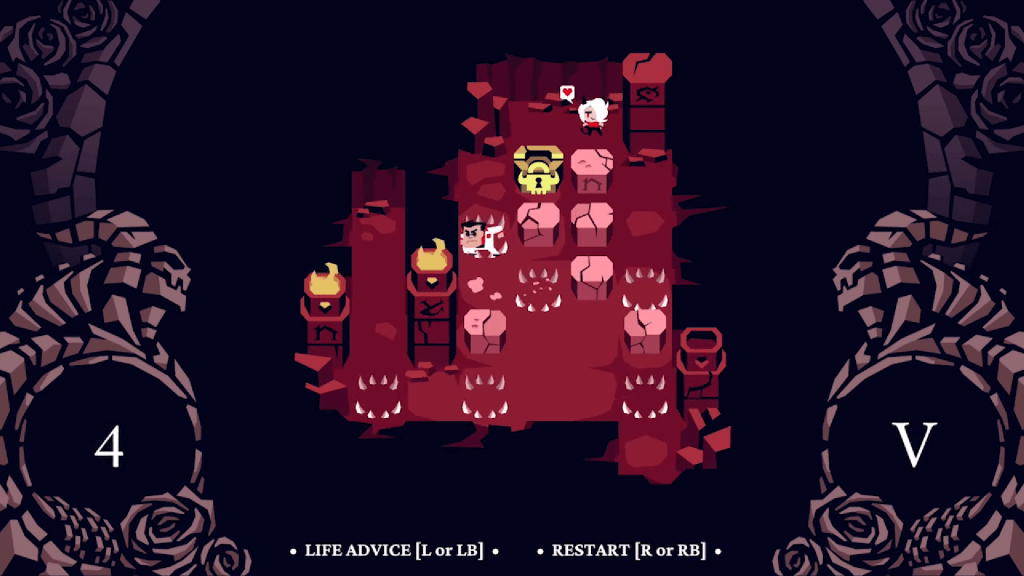
Given its, well, prevalence, I expected there to be some kind of particular hook. But there isn’t. It’s just a game with a well-done waifu aesthetic that blew up for being free.
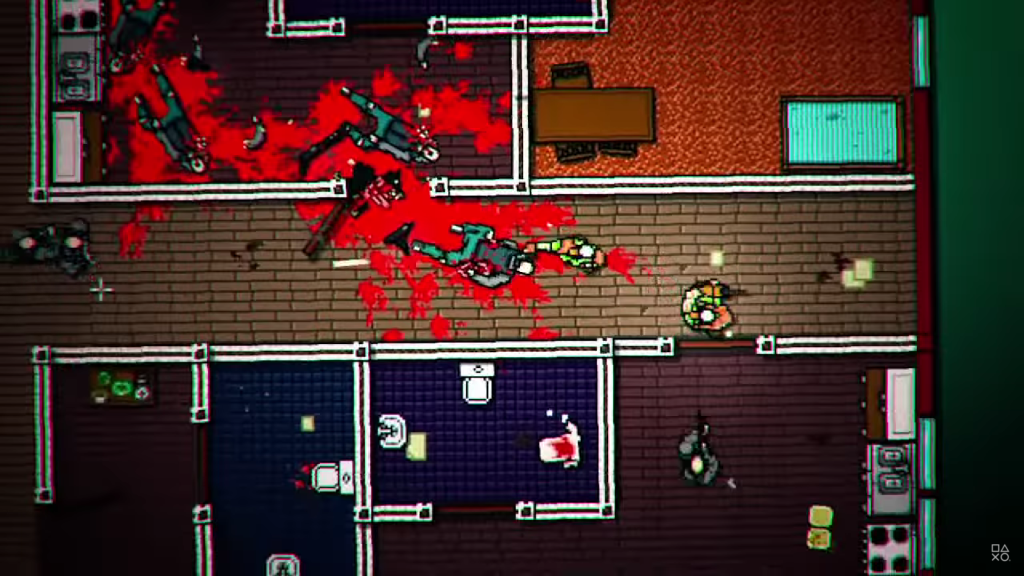
Both better and worse than the first game. It looks, sounds and plays better, but the points where it swaps to different characters usually are considerably less fun than the main guy.

Well, it’s good. But that’s because Donkey Kong Country is good. I’m sure the comparison has been beaten to death by now, but in the discussion of this game I just can’t avoid emphasizing that – yeah – this game is Donkey Kong Country. Generally speaking I think these indie platformers adapting retro playstyles are a great thing to see. Like Shovel Knight bouncing off of Duck Tales, or Freedom Planet mixing together that of Sonic, Ristar and Pulseman. The DKC gameplay formula is too magical to let fade away, so i’m glad that Kaze has chosen to revive it. However, the thing is that those other games inject their own personality on top of it. Shovel Knight is not merely a Duck Tales clone. But this is. I wanted more from the gimmicks or level design, since as it stands this is nothing more than a reskinned DKC. It offers pretty much nothing of its own. The game is competent and I won’t go so far as to say it lacks heart, but it has no individual identity.
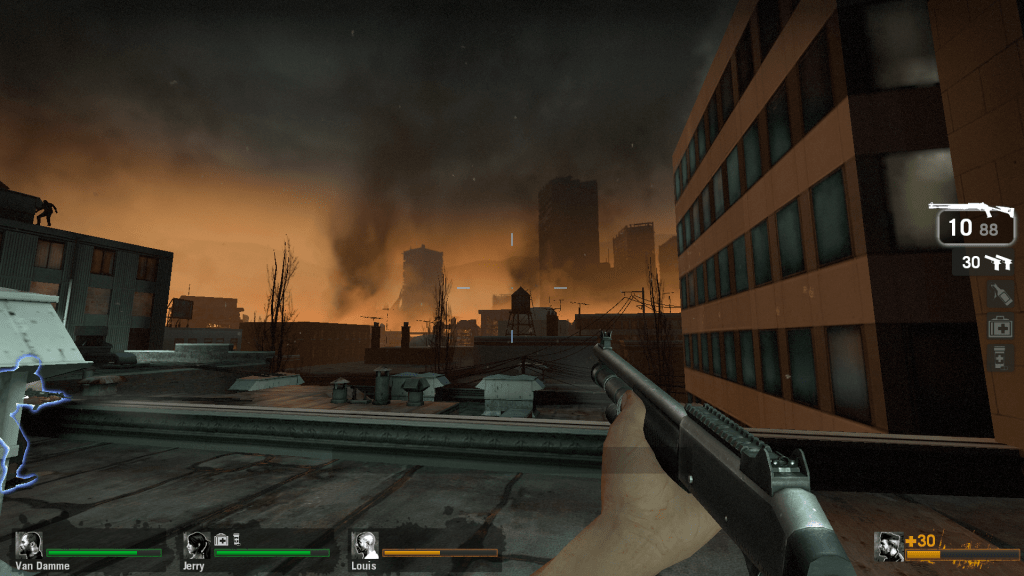
Rudimentary when compared to Back 4 Blood, but still very enjoyable.

It’s still Madou and I like that, but the combat system was killer on my thumbs and the encounter rate was too high. Not being turn-based meant that the banter interjections were rarer than the Game Gear version too, which is a shame since Arle’s overwhelming sass is the main pull of the franchise to me. That’s to say nothing of the horrific point system…since I have nothing to say about it. I didn’t even pretend I was gonna bother with that, I just went on a fairly natural run and then looked up the true ending on Youtube after.
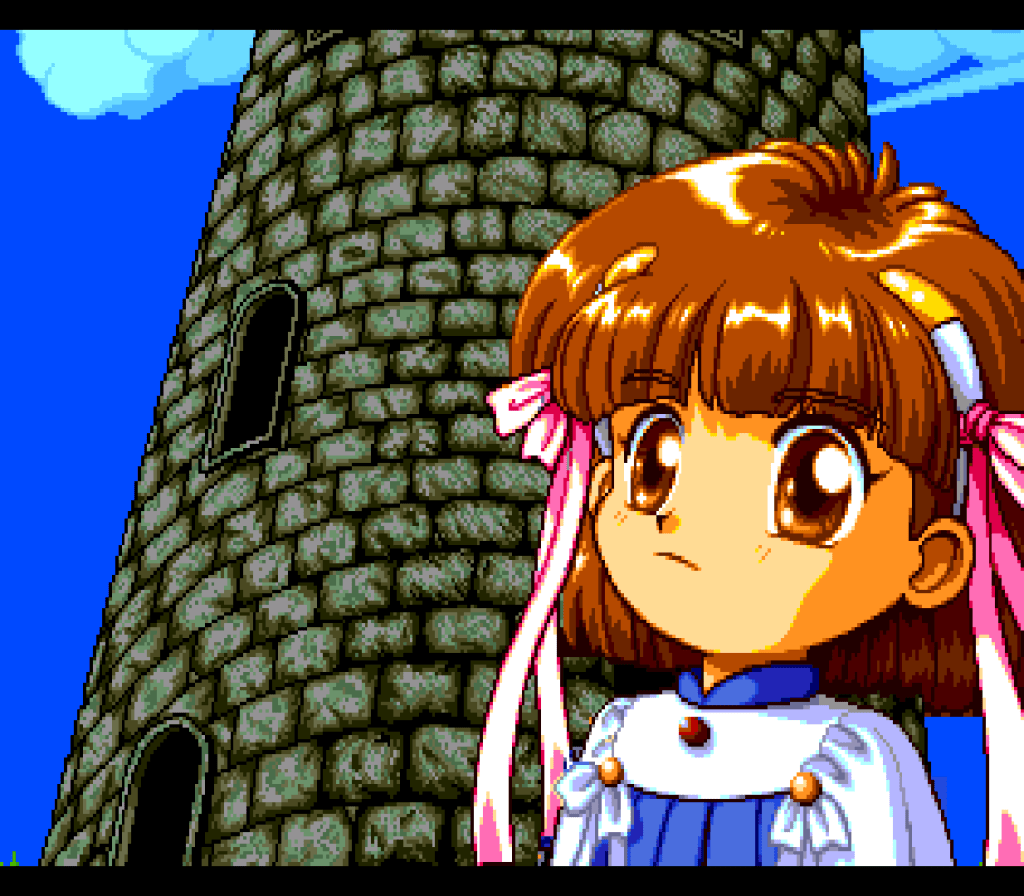
Fine, I guess. It’s the fanciest version of Madou I in terms of visuals, while also being the shortest. So it’s easier to stomach than some. The frequent load screens as a result of being a PC Engine CD game were fairly annoying.

Repetitive level layouts, ambiguous objectives, an atrocious amount of backtracking and a horrendous encounter rate. This game is pure torture. I like the characters and world of Madou so I forced myself through it – and to its credit that Madou flair was still there, Arle was sassy as usual and little bits of charm like her idle dance gave it a lot of character – but man was it not fun.
Or rather, I watched it on Youtube. Because despite my complete and utter lack of interest in the minigame campaign, this franchise is always the closest to an official SMBZ we’ll ever get. It’s great to see the characters interacting.
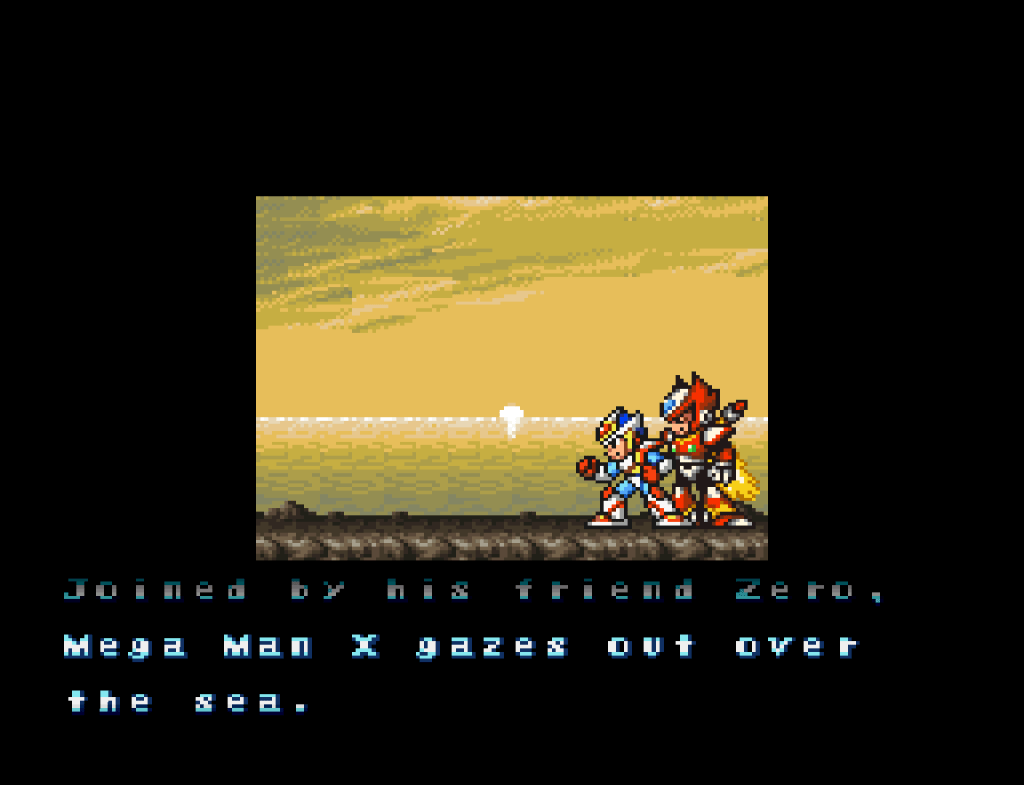
No particular comment, apparently. Mega Man X kind of all blends together for me so by and large I have nothing to say.
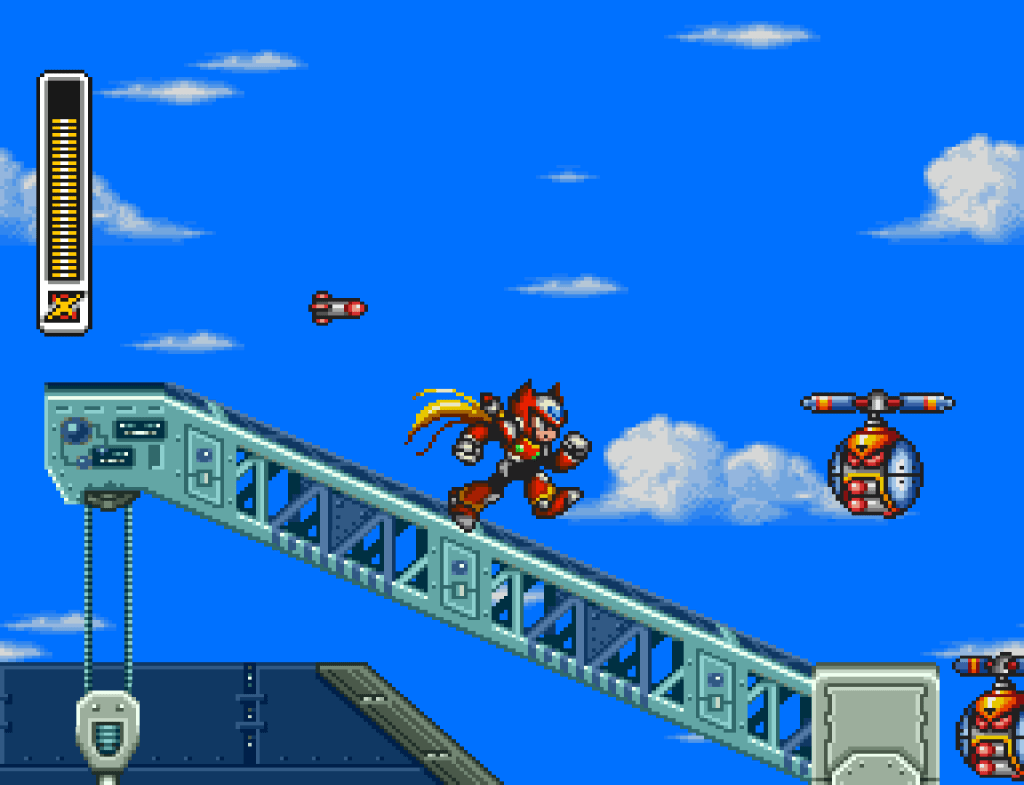
It’s reassuring to see that others had qualms with this game too because this left me thinking that maybe I actually don’t like Mega Man X all that much after all.
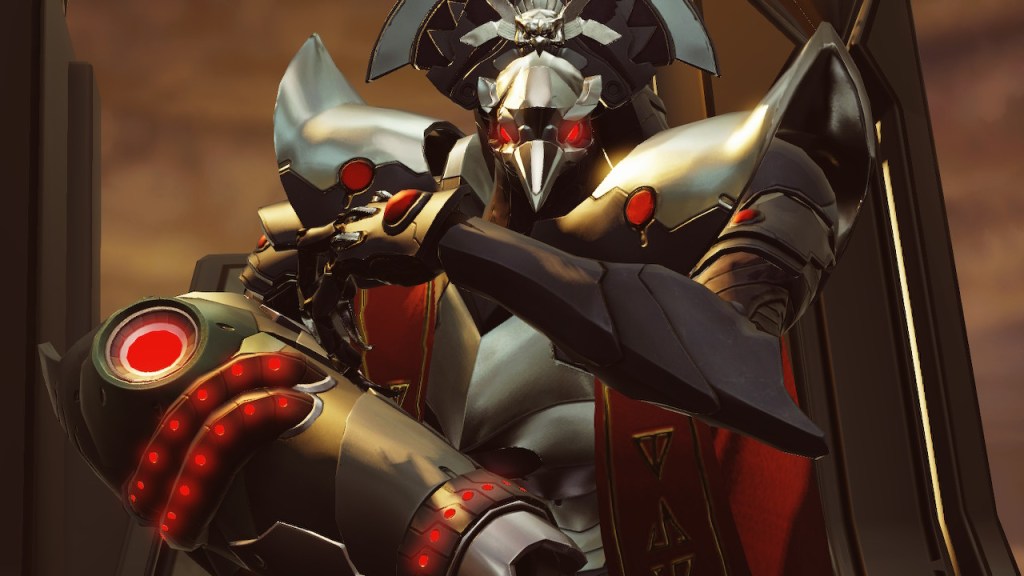
Final time about 7 hours. Overall pretty good. Narratively jumped the shark a couple more times than I’d have liked and ultimately was a far less interesting story, setting and gameplay experience than Samus Returns for me. The soundtrack never really leapt out at me like Samus Returns’ did. either. But still a solid title. 2D Metroid is a formula difficult to mess up. I’d put it above Fusion and below Super. Finally seeing a proper Chozo powersuit in Dread was such an awesome thing as an established fan of the franchise. But dealing in live Chozo is a line I do ultimately think Metroid shouldn’t have crossed, and making Raven Beak the specific donor of Samus’ Chozo DNA was quite an unnecessary plot convenience. In many ways I’m left with more questions than answers, but I guess that’s just the Metroid. Good game.
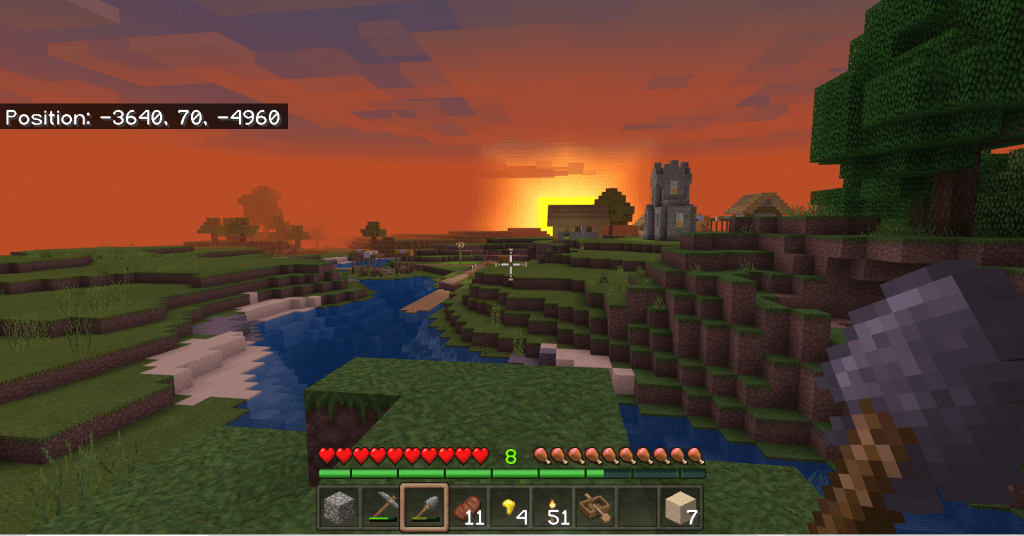
Actually a really fun game to dive into. Who’d have thought? There was this one particular moment where I was lost inside a cave for over an hour, until eventually emerging into a storm. Lost, but presumably very far away from home, and alone on the server. I have been lost in the bush once or twice before and this sense of silence was so genuine, so real, that this is the point at where I stopped, soaked it all in and said that Minecraft is a special game after all. And then eventually I was able to climb some trees and navigate my way back just by looking for landmarks and recognising the lay of the land until I knew where I was. That’s a real adventure there.
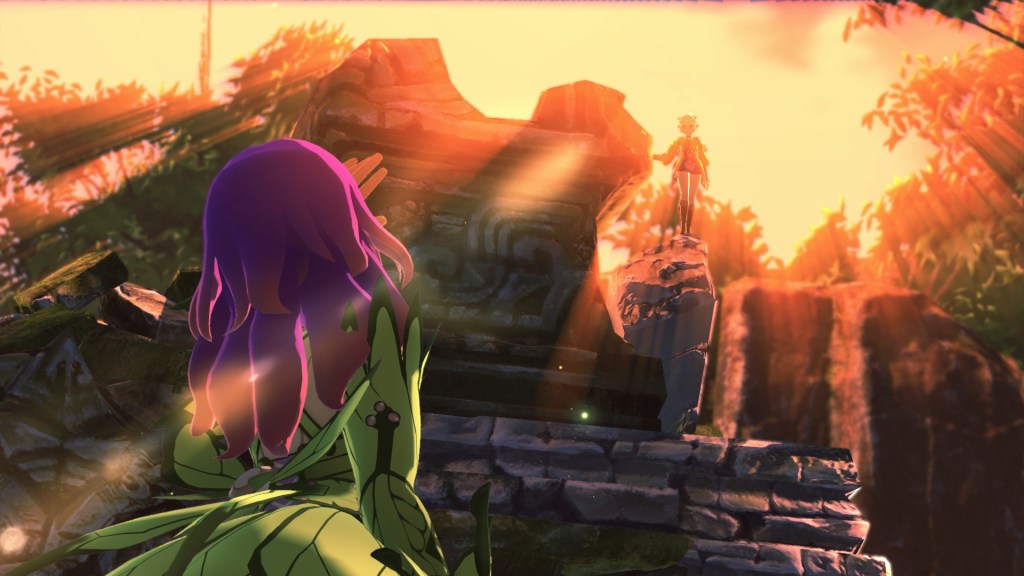
I maintain my original stance that this looked to be the exact JRPG I was wanting to play on Switch, to finally have something there that follows on from the Xenoblade 2 experience. If only it could be classed as ‘playable’ on Switch. That port being so obviously inferior pushed me to PC instead, where having to sit in for longer sessions amplified the repetitiveness of the gameplay loop. Maybe the Steam Deck would be its saving grace, since this game’s pacing seems like it would hinge on the pick-up-and-play portable experience. Trying to play it in significant chunks like one would a Final Fantasy, Persona or Digimon quickly becomes exhausting. On PC it was just too repetitive for me to enjoy and very much not the game I wanted it to be. I was like the one guy that genuinely loved Fate/Extra’s battle system so when I saw another JRPG rock-paper-scissors I was decently on board, but there weren’t any complex attack patterns to try and figure out. The combat is shallow and the level design is largely nondescript – which hits it especially hard when environmental/world design is my favourite component of the genre. The variety in acquirable monsters for each region was far lower than expected and the music was shockingly unmemorable too. A lot of JRPGs can have this problem to be fair, but MHS2 is the kind of game where I would almost immediately start avoiding enemies wherever I could since battles quickly stopped being exciting, and unfortunately the story or characters were nowhere near interesting enough to offset this. The whole game, for me, was aggressively unremarkable. I have my own vested fandom interest in simply acquiring as much context for the genre as I can so maybe I’ll go back to it one day on the Steam Deck, but as is I’m about 16 hours in with zero motivation to return.
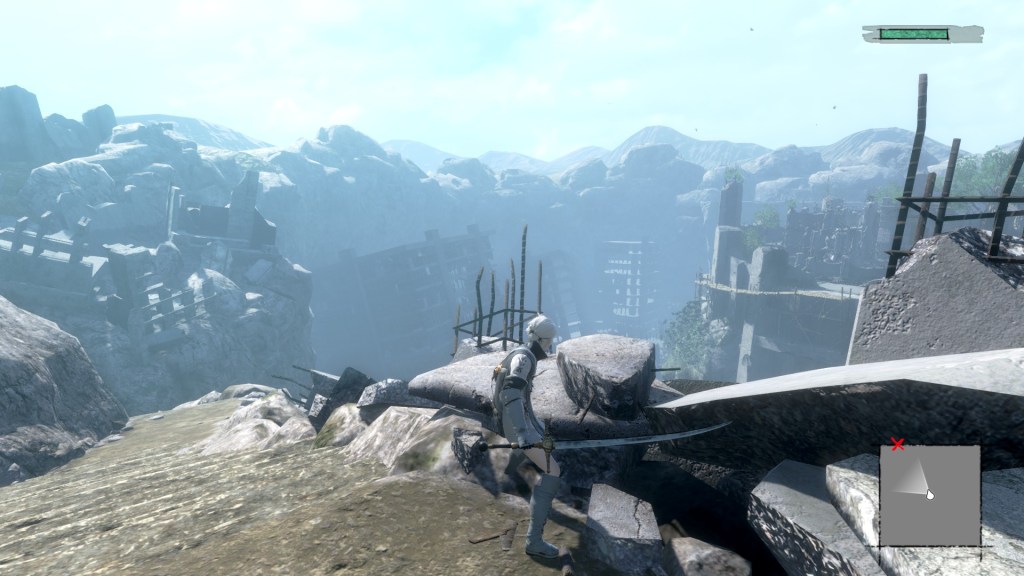
Holy fetch-quests batman. This was not at all the game I was expecting based on the raging torrent of praise its original always receives. The music, while not as striking or varied as Automata, was still good. The little of the town designs they had were sprawling and quite unique, though the linear dungeons left much to be desired. But heeby jeeby the amount of inane things the game makes you do… Whether it’s asking you to go back and forth to Seafront five times in fifteen minutes for a single questline, head back home to receive a letter just so you can go back to where you came from, the delayed explosions of the robots, or those dreadful escort missions following the little girl as she sluggishly runs all over the town and desert. Even the notion of wanting a quick-travel is dismissed early via in-game dialogue, and when it is both unlocked and not impeded by some meandering plot, it’s rare for it to even reach the places you need to go. Even as someone who realised early that the sidequests were going to harm my experience more than benefit it, the game design absolutely relishes wasting your time and it just kinda sucks. I’m super guilty of forgetting about JRPGs and leaving them sitting for several months at a time, but I’ve never encountered something infuriating enough to make me deliberately step away from it before. I tried so hard to love it for its legacy, but dang it the game just sucks. I am not strong enough to brave 30 more hours of this.
Watching a lingerie-clad warrior girl with white hair and chuuni bandages which seal the dark power in her arm get lectured by a tsundere grimoire about learning to live life through the power of love and friendship did leave me wondering how NieR is always such a staple of the “grr anime bad give me mature non-anime jrpgs” recommendation posts that pop up so frequently. Alongside Xenogears and its many ties to Megazone, Evangelion and Ideon, I’m starting to wonder if people just don’t actually know what anime is.
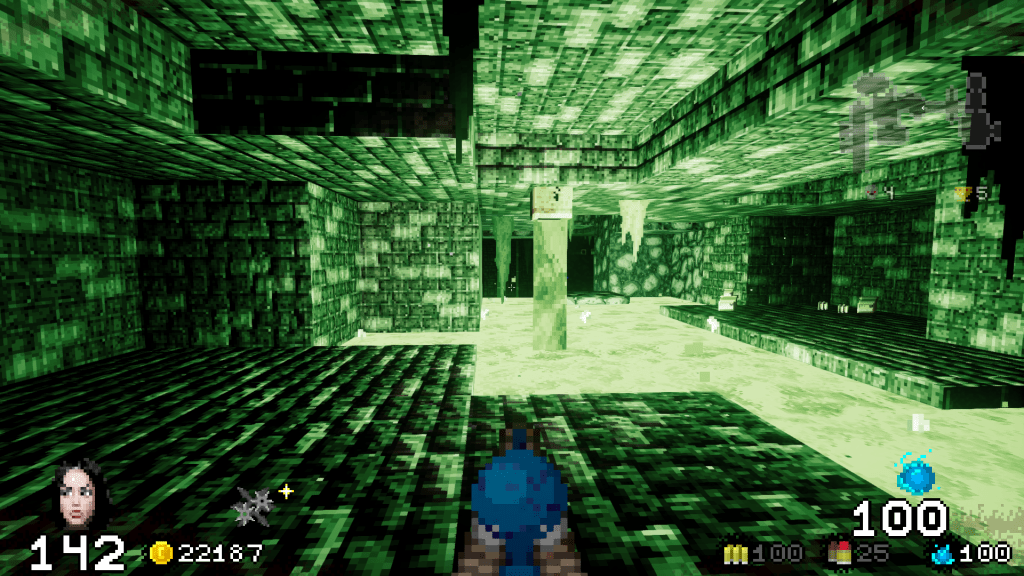
Incredible amounts of fun.
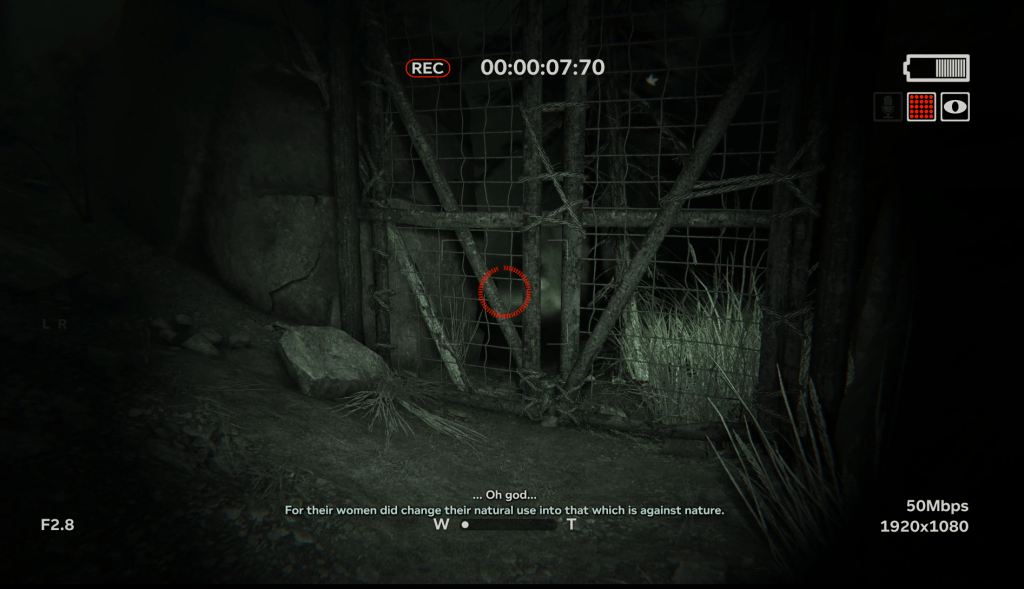
What a positively horrid experience this was. What drawl, drool, drivel and dribble. Really – a 1/10? Thanks for asking. Yes. Completely, absolutely. With every ounce of scorn that I may muster, and every scathing adjective I can remember. On the rare instance a mainstream title catches my eye, I guess it’s just inevitable that I am going to find myself burned. The reason Outlast 2 is so bad ultimately boils down to it being proud of its disgusting nature, yet all too pretentious to be viewed without skepticism. ‘When the papa daddy knoth lying with all of your wives (that means sex!!!!!!!!) is epic but the dicks of the seeds is and of the dicks is and EVIL and the angels and the devils and devils that look like angels but with jaws and faces that are the same thing and the god and the like and subscribe if the childs is deaded and ANTICHRIST of whore’s Satanisms. Love, Val.’ That is Outlast 2. That is a genuine summation of what Outlast 2 considers passable narrative content. Even with its paltry attempt at shifting blame by burying this within its self-aware caricature of an uneducated redneck cult, it just leaves me leering at the game instead. One day some writer will find a way to embarrass others without invariably embarrassing themselves more, but that is a yet unseen dream. Outlast why are you like this. It is embarrassingly juvenile. The first game often revealed its writing shortcomings in particular moments of gore fetish, but for most of the experience was a relatively centred horror. This second story, however, foregoes any attempt at establishing an equivalent legitimacy. Only the bad parts get collated. This isn’t a commentary on the human condition or institutionalised religion. It’s just masturbation from a creative team who think sex and death = maturity. Cheap horror schlock franchised onto something that, for better or worse, did carry a level of prestige. And it betrayed it. This is an edge-fest feigning intelligence by throwing religion and sexual abuse everywhere. It’s not that such plots are inherently impossible to use, but that other than maybe Perfect Blue and Utena I’m not sure I’ve encountered a work that applies them for anything other than grandstanding or cheaply-disguised fetishism. Not Ground Zeroes, and especially not this crap. Outlast has merit to its gameplay and uncharacteristically incredible music, but in narrative is not a franchise intelligent enough to make such subject matter compelling. The sequel trying to push its story content further causes a collapse in quality. Aesthetically the rural setting is interesting and tickles my fancy far more than that of the original’s asylum, and I enjoyed the trippy presentation as Blake’s psyche fades in and out of post-traumatic delusion. The rain of blood in particular set quite an impactful scene. But that can only go so far before the cultists start speaking again and you are snapped back to the muck that this game calls dialogue. My score has not been dragged so far down for a total lack of merit, but for the presence of abundant and overwhelming demerits. I feel like this level of storytelling idiocy is a new low. It thinks it’s making major plays and pointing fingers at the audience for being repulsed, but the main thing I find revolting here is just the fact that there are people who genuinely thought throwing dead babies and the likenesses of systematic rape everywhere would automatically make it a good dark story. At the time the original released the gaming medium wasn’t really familiarised with such obscenities, so it garnered significant attention. But the producers don’t seem to have realised that was bottled lightning, taking away from it only a sentiment that their success lied in controversy. There was no refinement. Outlast rested on its laurels and a sequel thus became a bad parody of the original.

After being stalled on this game for an entire year before finishing, I was left with the overwhelming sensation that it was…average? It just felt largely unimpressive. Competent enough, yet never standing out in any way. The characters and story were better than Persona 5, but that’s not a very high hurdle to clear. The combat was fun enough, though by the end it almost feels pointless since the game is only difficult at the beginning. It’s balanced in a way that once you become strong, you remain strong until the end – and I never did any grinding beyond battling every enemy in my path. But Tartarus was so boring, and on second glance the stat-raising, daily content and story dialogue weren’t particularly engaging. It kind of had me feeling like Persona is a setup that only works so long as you don’t look at it too closely, else it all comes apart at the seams.
In particular I have to mention the final boss because it had me in genuine shock. It’s a horrifically boring battle from how easy it was. Just by being competent at the game and keeping track of what personas I could fuse, I went into it with one that nullified both instakills + had full heal, plus one that negated all physical damage, and that totally trivialized the boss. And these aren’t ones I grinded for either, just ones appropriate to the level I was (73~). It took like 25-30 minutes but presented absolutely no threat the entire time, and rather than any kind of tension I spent the majority of the battle thinking about how much fun I had with other final boss battles instead. And the battle theme was a super short loop to boot…
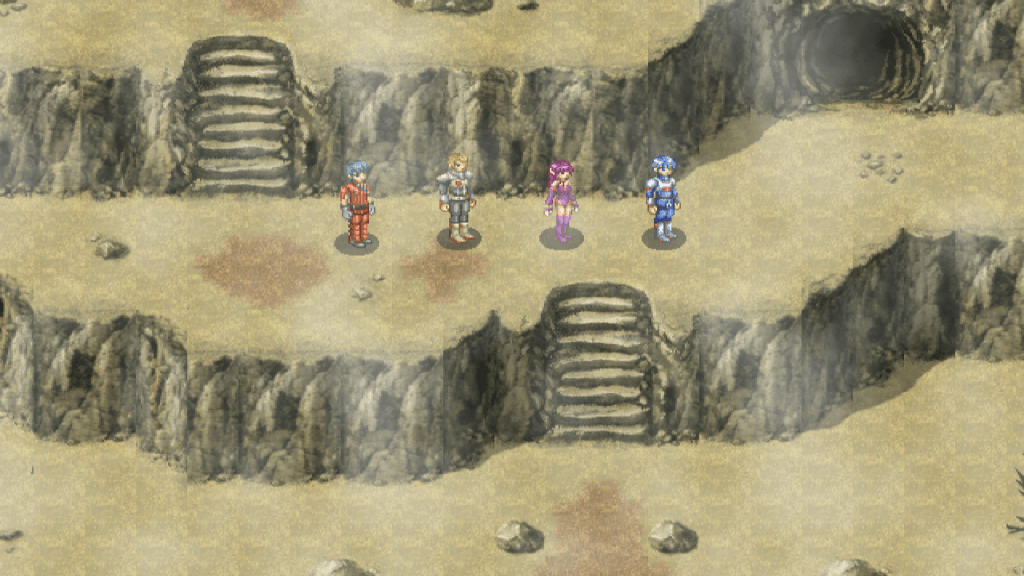
The narrative backbone carries interesting implications but that rarely reaches the surface plot since the actual storytelling is wholly monotonous, and the gameplay is mind-numbingly boring. The previous Phantasy Star Generation was kind of a mindless nothing-game in a good way, but this was a nothing-game in a bad way.
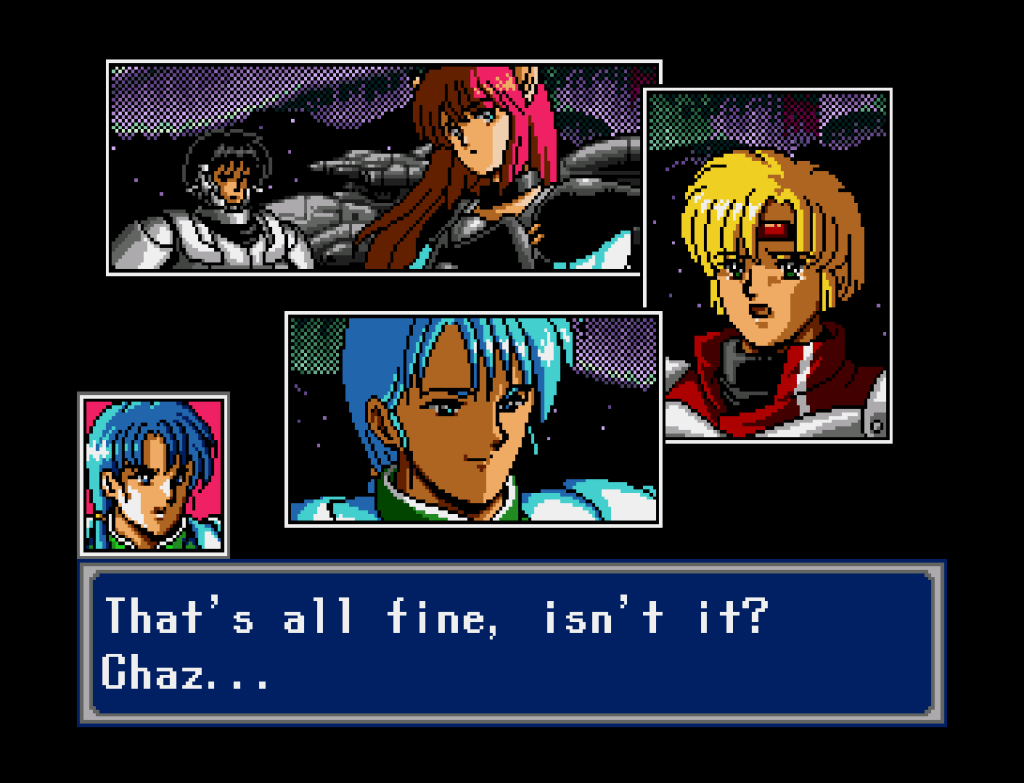
As expected – really good. Phantasy Star IV is often considered the hidden gem of the retro JRPG era, and for good reason. It’s put together very well. The whole experience runs smoothly in a way that older titles in the genre don’t necessarily always. It’s incredible to see such an old game implement cutscenes in the way it did in order to tell a dynamic story. To think such a thing would be possible as far back as the Genesis. I found it was worth having played the first two Phantasy Star games as leadup to IV. You get to see how each planet in the Algo system has changed over a long period of time, and how the previous stories became legend. The soundtrack doesn’t lag behind either, making full use of the Genesis twang to craft many iconic themes. Behind the Circuit is an absolute bop that rivals the toe-tappers from Breath of Fire 3 (some of the highest praise I could give a JRPG soundtrack), The Black Blood is a foreboding early-era cutscene bgm, and the three main antagonist battle themes Laughter, King of Terrors and Ooze make such an impact.
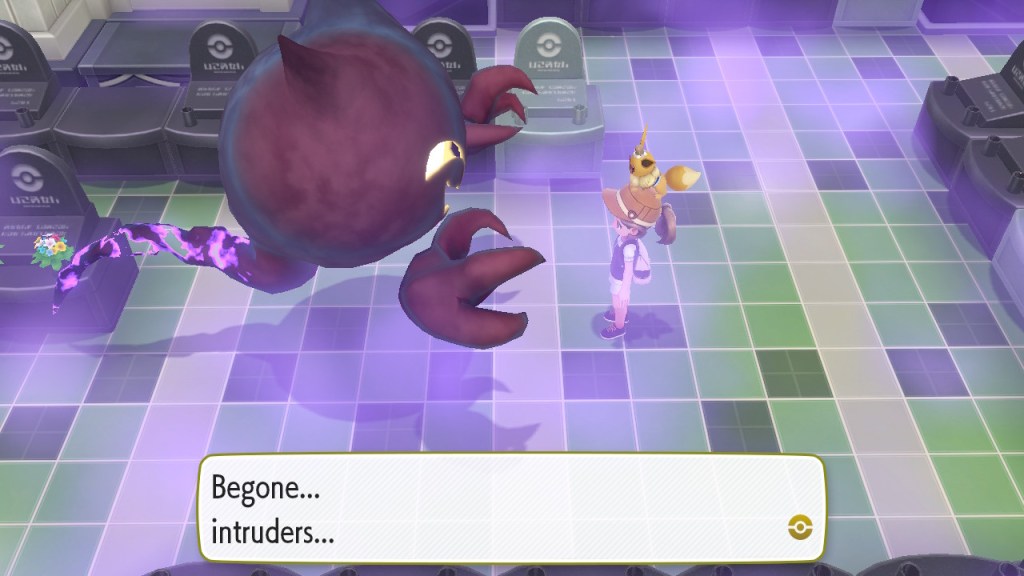
The limited control options make actually playing it a bit of a chore, but beyond that this is a great remake of a genre classic. The new visuals are pretty clean and the redone soundtrack is gorgeous.
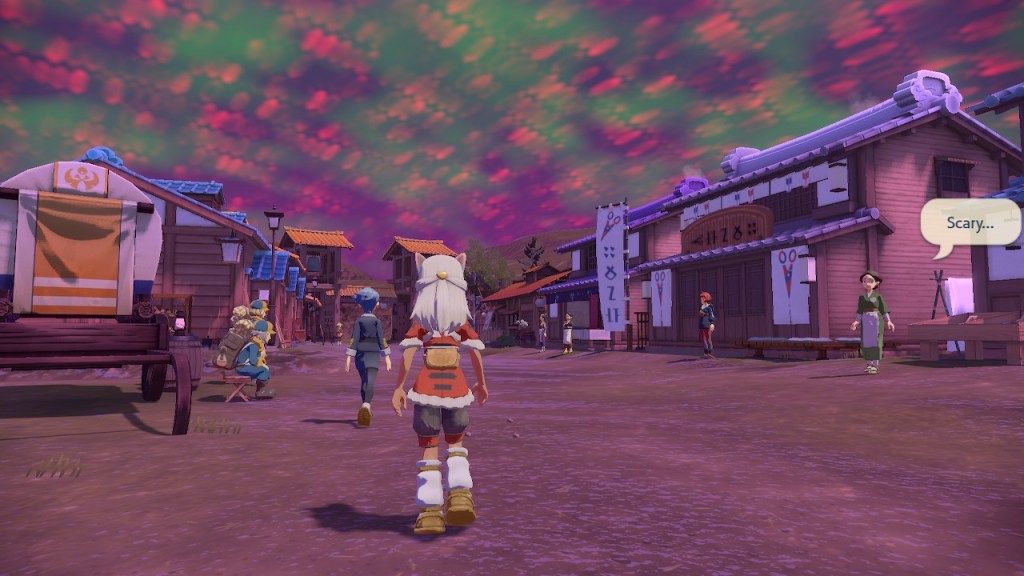
I had fun. The gameplay loop evoked Atelier Totori, and the focus on Pokemon’s creator god saw this even leaning heavy into a Shin Megami Tensei aesthetic at times. And while it was still ultimately stifled by a lack of polish, at the very least a sense of ambition was conveyed. This was a fresh experience of the franchise. I probably liked it less than I would a standard Pokemon game, but simultaneously I’m more excited by this prospect than I would have been another status quo title. The Legends subseries is a very neat idea and I’m looking forward to seeing where it can go.
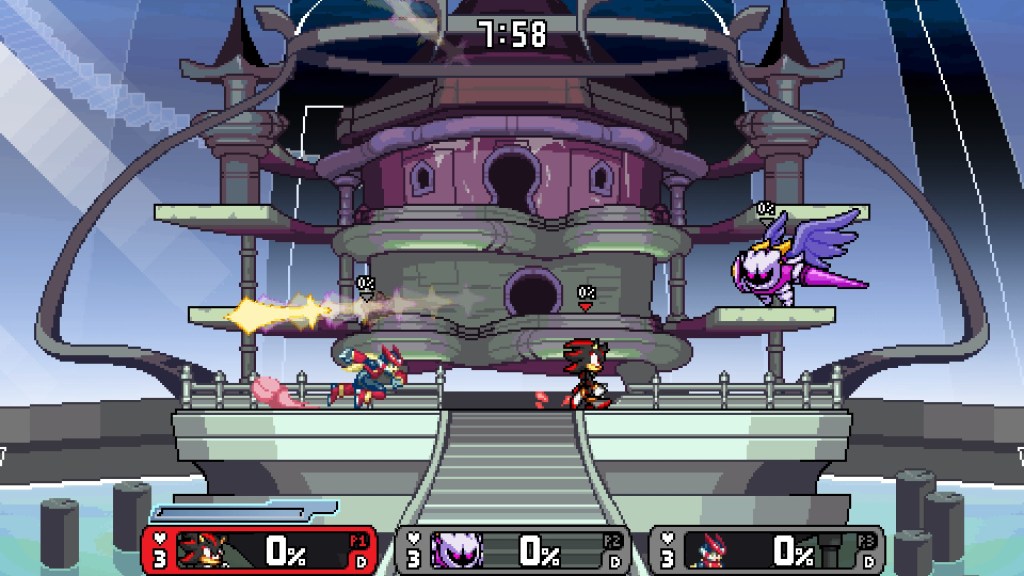
look all I’m saying is that i can play as Shadow the Hedgehog here when i cannot in Smash??? Rivals is a very fun game with fresh mechanics and movement, and the fact it’s a relatively light game on PC makes it a squad game I wish I had discovered earlier in the pandemic’s lockdowns.
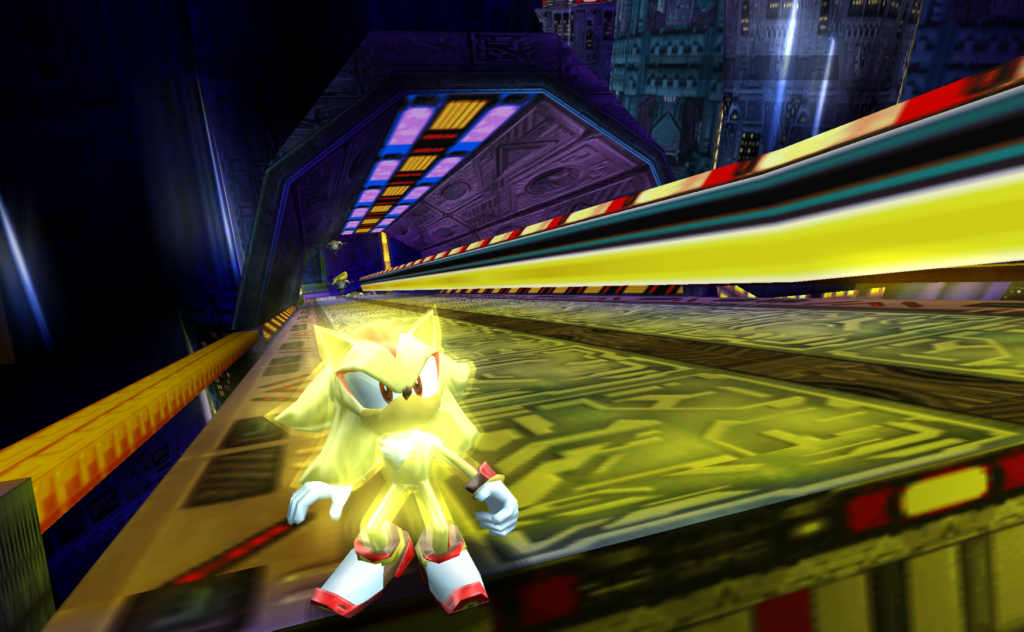
This is secretly one of the best 3D platformers. I find myself replaying it quite often. There’s just a very specific way to get the best out of Shadow the Hedgehog which might not be apparent at first. That being: emulating it and downloading a 100% save so you can just run through Expert Mode. Switching on the Super Shadow cheat for access to Chaos Spear in normal gameplay (like Shadow should have) is nice too. When the absurd replay structure is eliminated I find that it holds an incredibly creative assortment of levels, and the physics + level design are surprisingly flexible in terms of spin-jumping for parkour skips.
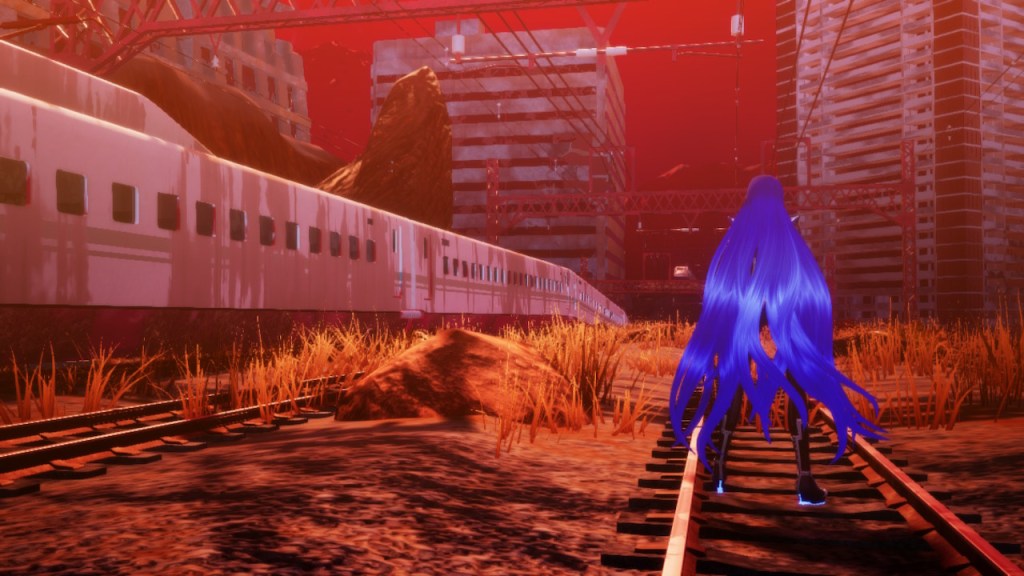
I love the aesthetic of this series so much with the digital devil stuff and the way it talks of gods and demons. Growing up in the church but having since fallen out of it, all the the Abrahamic lexicon and rituals that get thrown around or visualised on the screen make for a uniquely enchanting experience. The gameplay is less so my thing since I’m really not a fan of alternate endings in any game, and the SMT/Persona combat system just doesn’t really catch me. Too grindy and overly centralised on elemental weaknesses. A lot of the time I feel as though I like SMT as a concept more than I do as an actual video game, since across multiple titles I’ve lost the motivation to continue only about an hour in. From the trailers and the current trends of Atlus (a greater focus on gameplay accessibility at the expense of narrative density), however, I had faith that SMT V would be the one to finally break me into the franchise and provide the hook I then need to work my way backward. I wouldn’t say it let me down. The combat is the same as ever and I lament that such an important title was stuck to the struggling Switch hardware, but nonetheless: fantastic dialogue, incredible environmental design and an outstanding soundtrack (the latter two being what I value most in a JRPG). The abstract, otherworldly atmosphere this game creates is the total inverse of Persona 5, yet a counterpart in how impressively well-realised it is. The music is strange and warm to the ear as though it were a rhythmic white noise and the dream-like landscapes slowly swallow you within.

The setting of Fate/Extra with Xenoblade’s imagery folded into an SMT aesthetic experience. These cyber-girl stories always strike a chord with me, to the point where having Ringo and Figue as the lead deuteragonists is honestly all it takes to pull me in. I like it. Not as much as either of those previously mentioned games, nor as much as SMTV, but it’s a nice and refreshingly compact JRPG. You’re endeared to the characters very quickly despite the game’s short runtime and the small-scale narrative. I didn’t fully explore any character’s Soul Matrix and didn’t bother with most sidequests so maybe fully committing to that would have soured my experience like others, but as it stands I felt this was a fun bite-sized chapter of SMT combat, demon-fusing and dungeon-crawling, accompanied by awesome character designs and MONACA’s mark of musical quality.
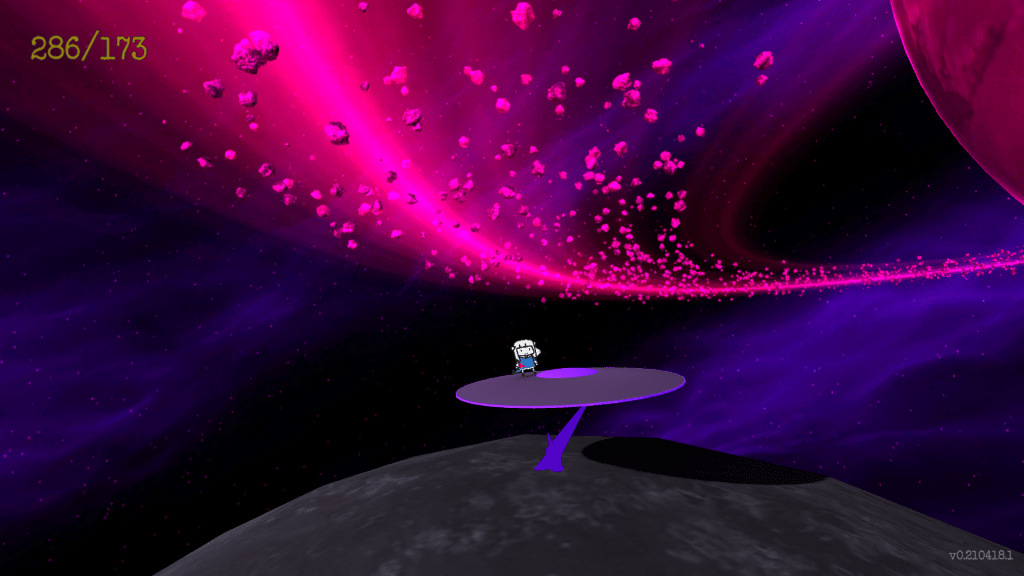
The level design still needs some refining, but otherwise a surprisingly creative little momentum-platformer. There is a genuinely promising framework in there that should not be written off merely as ‘that one hololive meme game’.
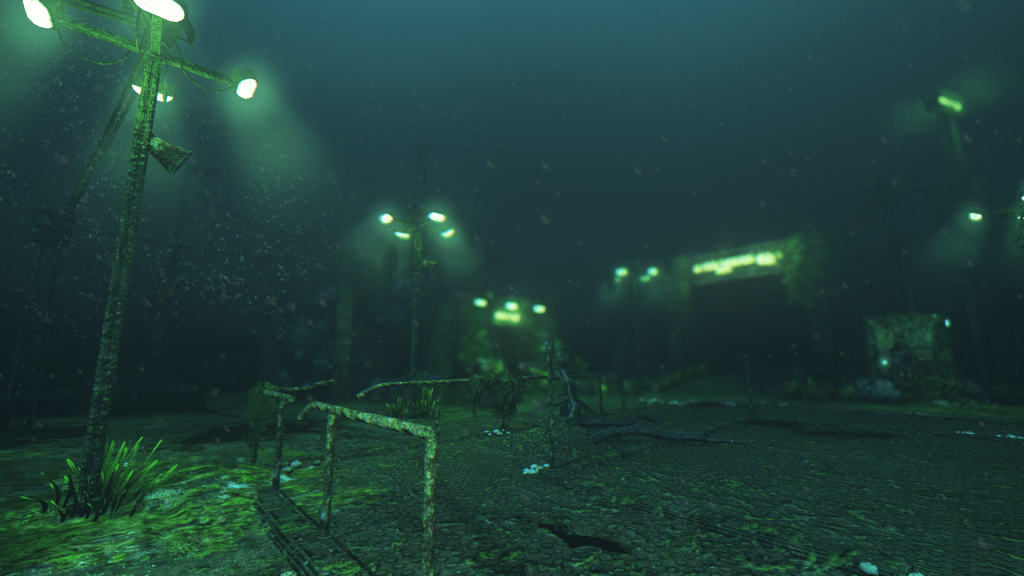
SOMA’s setting is something of a fusion between Subnautica, Serial Experiments Lain and Alien: Isolation, all of which I hold in very high regard. It’s taken me quite a while to start it, considering I bought it after seeing someone mention it a few years back. Since then I’ve routinely installed, procrastinated on and then uninstalled the game since I don’t do well with horror (this is only the second proper horror game I’ve ever played) but loved the idea of SOMA nonetheless. It was a really enjoyable game. I’m a big fan of monster movies and imo horror tends to be the genre most conducive to them, so I think that the two ideally work in tandem to strengthen each other. The most potent example here was the the point in the game where you’re locked in a large, confusing set of hallways and vents together with a monster. The atmosphere is very disorienting since the character has recently suffered a crash causing his vision to become messed up. So you’re trying to navigate that while avoiding the monster, completely lost and trying to locate whatever item, lever or event will unlock the exit door. It reacts to most sounds so you’re constantly hearing its footsteps around, and there isn’t much place to hide since the monster arrives pretty quick after you open a room. The monster itself is pretty scary too since it’s so effective at hunting. SOMA’s gameplay experience is similar to Alien: Isolation in that the sci-fi set design and sneaking mechanics mean you’re constantly spotting it in the shadows, creating an organic sense of horror that mirrors cinematic sequences in movies. Though that segment was definitely my scariest encounter. Everything before and after is pretty much a cakewalk, and honestly I breezed through that first try when I returned to it today so I was probably just fatigued from playing too much in one session.
The ending was real epic, seeing the collision of digital consciousness and the human condition. I won’t say it was thought-provoking exactly, since I’ve already seen such ideas explored with more depth in Serial Experiments Lain and Fate/Extra, but it was very poignant. Story endings where Earth finally falls silent after an apocalypse (such as in Girls’ Last Tour and Texhnolyze) always hit me so hard. The fade to black as everything powers down, and the imminent melancholia of the ending track are the final piece that really tie the whole story together. So good.
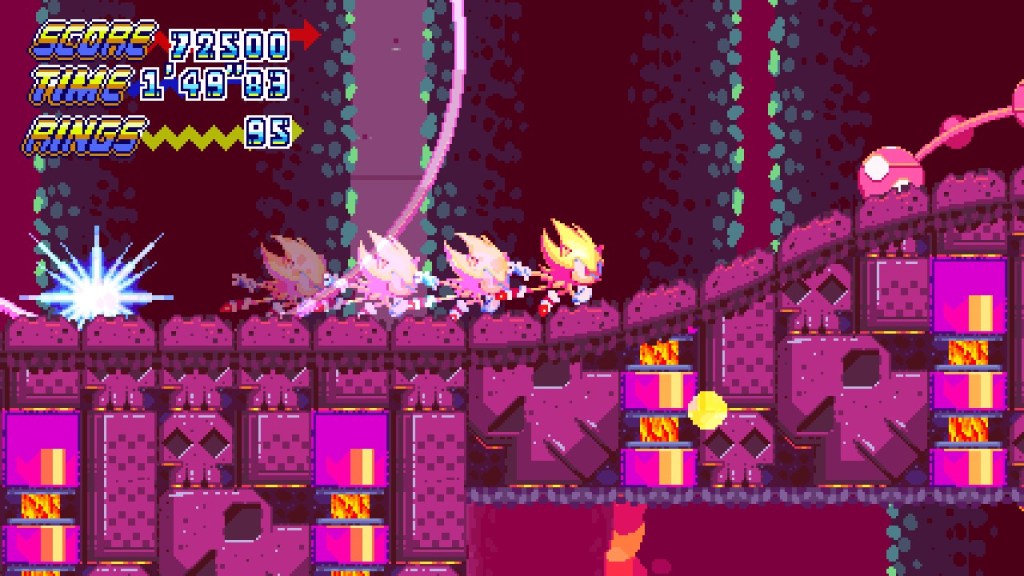
Incredible, incredible game. The active experience is Classic Sonic played to its full potential thanks to the vibrant artwork and funky music, and unlike Before/After the Sequel or Time Twisted it actually manages to successfully recreate the physics from the Genesis trilogy. No random spots of tryhard edge as often shows up in other fangames either, just pure, uninterrupted Sonic fun; captivating with a confidence in its expressive visual design, characters and cinematic platforming levels. The level design isn’t flawless since it can be a bit too inactive at times (though it is also worth acknowledging that 2D Sonic expects you to replay it a minimum of 3+ times to feel out the level pathing), but compared to a lot of other Sonic fangames it still feels natural, both in levels and in the character handling. This series lives and dies by the physics, so that was such a welcome surprise. Because Sonic isn’t a block platformer like Mario or Kirby, but rather about a streamlined interaction with slopes and gameplay fluency (a ‘pinball platformer’), Sonic’s 2D games are really the sum of their parts where if one element is even slightly out of whack it throws off the whole gameplay experience. You could have a super solid fangame but then see that Sonic accelerates a touch too fast or jumps too high and that’s enough to compromise it. But Fallen Star was shockingly high quality across the board.
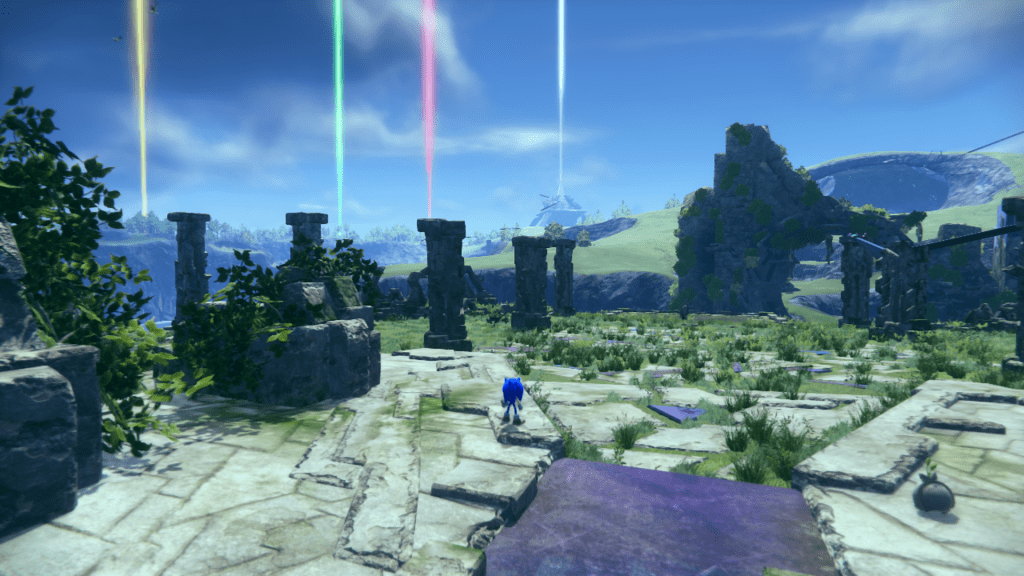
For most the first island I was pretty harsh on the game, but ultimately I guess all you’ve gotta do is give me one of them sweet Super Sonic vocal tracks and I’ll change sides. I had to pretty much immediately go and slap on a physics mod since by this point I’ve no patience left for how Sonic Team somehow makes each game control worse than the last one, but with that one fix in place Frontiers became fantastic. It continually climbed in quality, and the longer I spent playing the higher my enjoyment began to cascade. The engine kinda sucks since this is by far the worst pop-in I’ve ever seen in a video game (in previous Modern Sonic games the challenge was spotting obstacles at blistering speeds – this time the challenge is that they only load once you’ve run past them lol), but I have warmed up to the game’s more open-ended gameplay direction. Open world Sonic fangames always look kinda boring in Let’s Play clips, but are a totally different story when being the one in control, and that observation applies to Frontiers too. For the most part I’ve always believed 3D Sonic can only work in tightly-constructed corridors, but the open world is far more fluent than I’d anticipated. Despite seeming barren in the trailers, it was super fun to roam through. Although there’s still an overuse of automation in the level design, it’s also pretty flexible with some genuine speed traps/challenges involved. I resisted the idea of combat in a Sonic game at first but that does integrate pretty well too. Everything in the overworld is designed to be some kind of minigame so it’s pretty fun just running around and doing things as Sonic the Hedgehog.
And the story presentation – fantastic! The past decade has seen the Sonic games sorta giving into peer-pressure and no longer taking themselves seriously, but Frontiers is a great return to form with a sombre narrative detailing some shocking lore snippets. A ‘Coming of the Chaos Emeralds’ style event established in the main canon and Eggman getting sentimental over an AI daughter? That’s Archie Sonic as heck and I loved it. Never thought I’d see the day a mainline game would tackle such concepts. We’ve been wanting Flynn to have a hand in the game writing for so long and you could definitely feel his effect in Frontiers, which was great. The dialogue was at times a bit too obvious in its meta-interactions, but it was nonetheless appreciated how the game capitalised on every chance it had to respond to long-standing 2010s Sonic criticism. Such as Knux reaffirming that “Super Knuckles” is still a thing, Tails totally rejecting his Forces’ characterisation, and newly confirming characters like Tangle and Sticks for the main canon. The Divergence prologue seemingly hints that Tikal and Chaos are still present to guard the Master Emerald whenever Knuckles has to leave the altar, which has always been one of the coolest minor setting elements and/or vague headcanons.
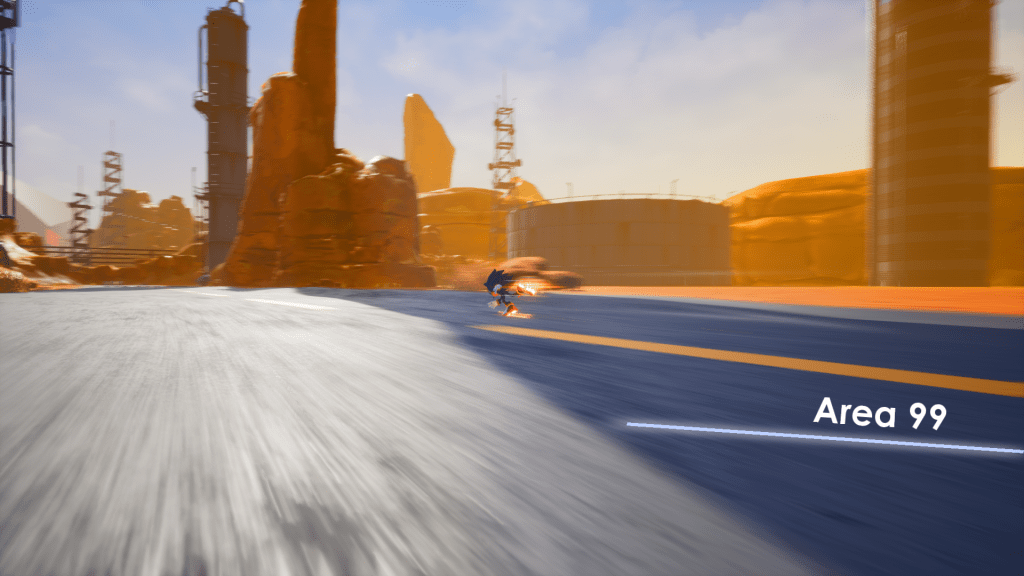
Overrated and overhated. At its worst Omens presents some of the most frustrating experiences I’ve had in a 3D action game, but there are some genuinely good levels in there and the movement is already mostly solved thanks to being built in the Infinity Engine.


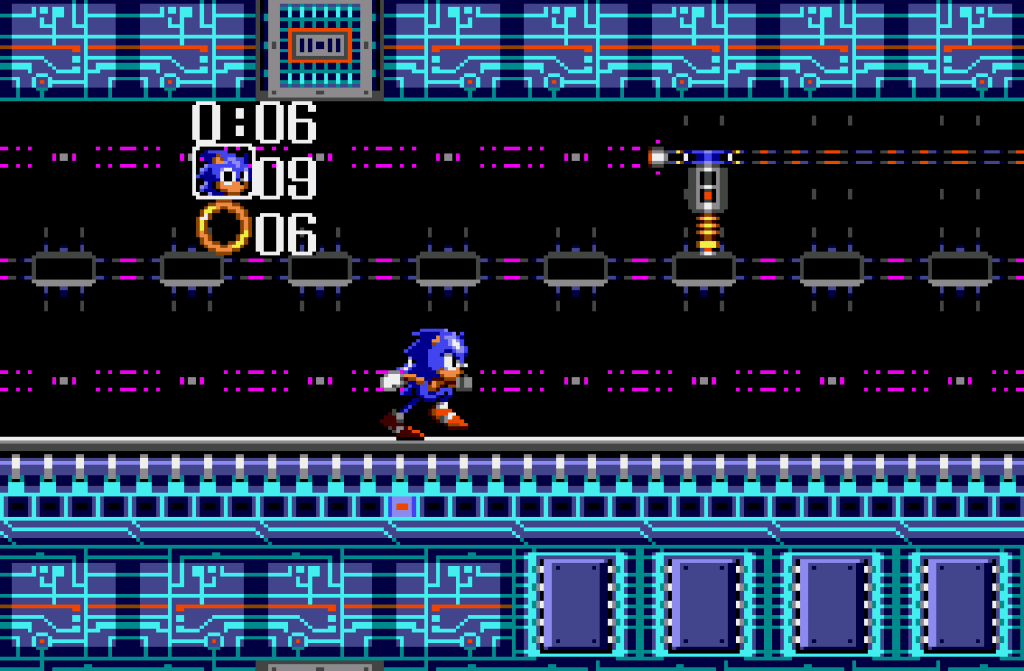
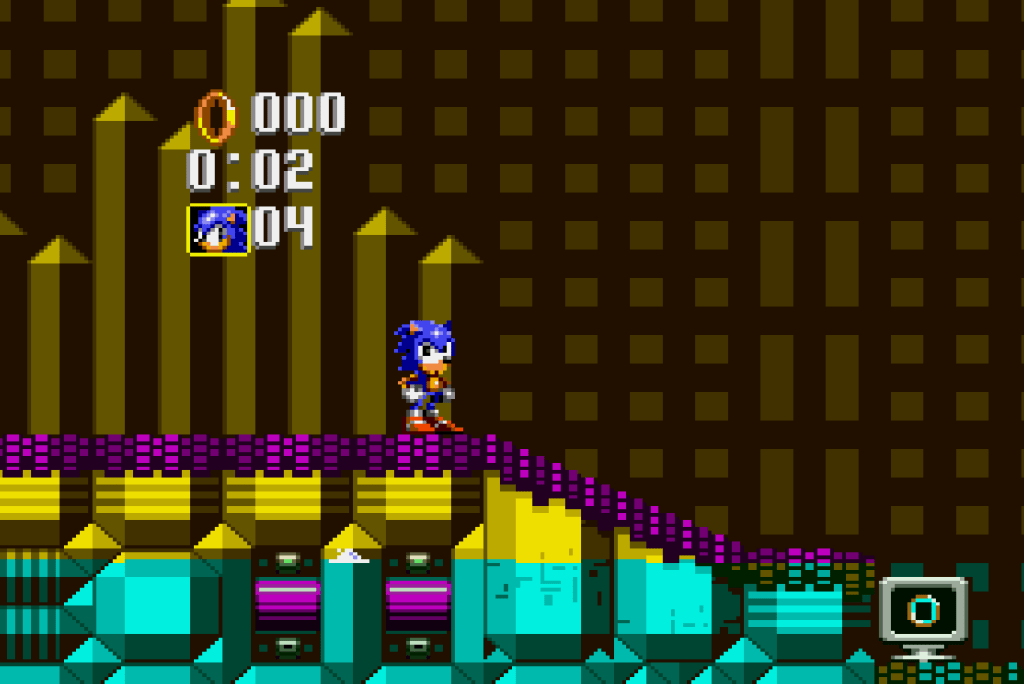

When discussing the 3D Spark games the thing that has to be gushed over before anything else is the incredible physics. It’s the type of platformer where movement is fast, fluid and free enough to where the way you can move about the level feels wholly unrestricted. Though perhaps as a result of this the level design is generally way too ambitious for its own good. It’s so complex figuring out where you want to go that most the time I would find myself constantly zig-zagging between paths in a rather incongruent way. By the end of the experience however I have come to accept that this is a me problem more than it is the game. You give me so many options and I’m like a dog pulled between two toys, wanting to take all of them. This is a fairly abstract platformer so, like any given Sonic game, it’s evident that I’ll have to play it several times over before I truly can say I understand the game sense. Its campaign is short though and still very fun on the basis of its movement alone so it isn’t that big of an issue, plus the later levels did begin to tighten the pathing options. Historia Hysteria in particular deserves attention for being one of the most cinematic zones I’ve seen in a platformer. I also loved Utopia Shelter being this lengthy, multi-area test of skill a la Eggmanland. More platformers need to have an Eggmanland that let the level designers and player both unleash like that. Really hoping the level editor I’ve seen on Youtube takes off so this could be something of a modern counterpart to SRB2. This is great.
And of course – soundtrack was great across the board. I love drum-n-bass.
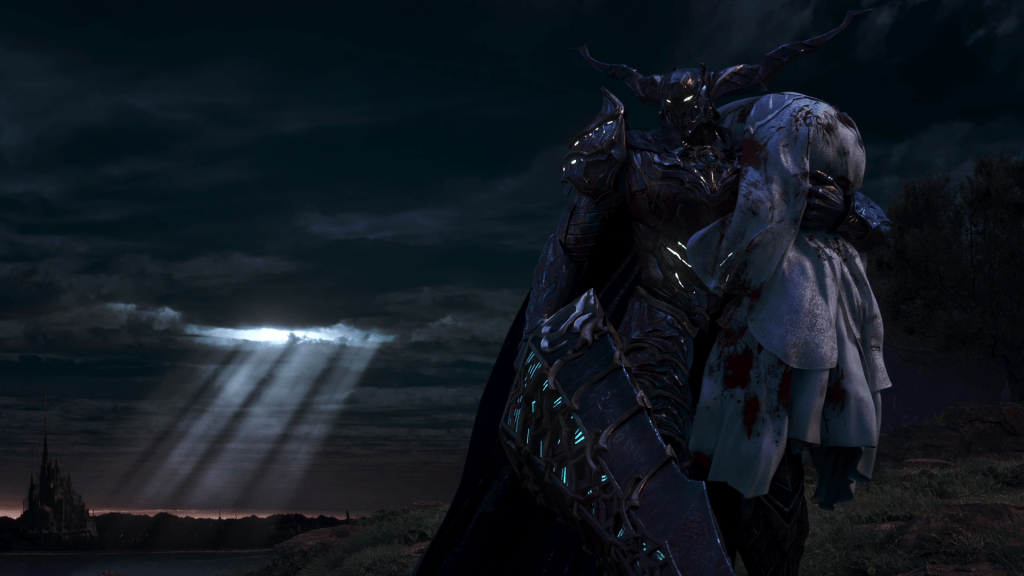
A huge surprise for sure. Not that I was expecting it to be bad, since a pseudo-remake of Final Fantasy I that plays up the gothic design elements of Amano’s monsters and world was an immediately exciting prospect. I like Final Fantasy 1 a lot. But I wasn’t expecting the gameplay to be anywhere near so solid, and certainly not that the plot would require such a level of theory-crafting as you move throughout the game. The hurr-durr kill Chaos part is actually quite self-aware, and the decision to have such a simple-minded protagonist is obviously done to highlight how convoluted everything working behind the scenes is. I picked up on Jack being Garland quite quickly, since his default weapon being Rebellion was such a dead giveaway and it did not go unnoticed that the party kept saying “Knock ’em down” and “I’ll crush you”, Garland’s two signature lines. I figured that it would simply make sense if this game was the loop that detailed Garland becoming Chaos. I do ultimately feel it would have been nice if it had more synergy with FF1’s aesthetic by not tying Garland’s origins to an isekai story or placing him in the modern FF famsquad, and within that the storytelling really only becomes coherent at the end where it returns to FF1, but nonetheless I enjoyed it. The Lufenians are a fascinating prospect, even if I’m left questioning what implication they carry for the franchise. This goes way beyond the trailer pitch by having its plot fall somewhere between a Dissidia multiverse crossover and a living fantasy. I was ready for neither. This is the kind of thing that feels like a reward for being so invested in a long-running franchise. Every time I unlocked a new level I was giddy to read the blurb and see which locale was going to be remade next, and for those that I’m more intimately familiar with it was a very special feeling recognising the sights and the sounds. The Tomb of Raithwall especially stuck out to me.
The combat was incredibly well executed. I found that, compared to Dark Souls, being rooted in Final Fantasy 1 provided a much-needed flexibility in the loadouts. An abundance of weapons and classes available to mix, match and move between at any given moment, with the point of focus being foremost on creating a dynamic combat flow. And compared to the aforementioned series and its spinoffs, Stranger of Paradise plays to franchise conventions that I’m accustomed to. There is nothing quite like the primal fear a Final Fantasy fan feels when jump-scared by a Tonberry. I know to charge Bombs thrice in order to make them quickly self-destruct, or to avoid a Malboro’s Bad Breath at all costs.

Too preachy for me. Who looked at Subnautica of all things – the love child of Ecco the Dolphin and Metroid Prime – and decided it needed a character-centric plot? What made Subnautica unique has been replaced with your generic feel-good movie plot. Robin spending every possible moment feeding the Architect empty motivational quotes about how brilliant it is to be human and alive and everything is wonderful wow, got real old real fast. The first Subnautica was a masterclass of environmental storytelling for its subtle elements of cosmic horror. Below Zero is a glorified Instagram post. It pains me to say this considering how much I fell in love with the original, but Below Zero feels like a total betrayal of what made me so enraptured. At least the gameplay is mostly as solid as ever, though obviously scaled down from the full game.

A very good platformer marred by unavoidable, inevitable joycon drift.

Interesting, but I hesitate to call it more than that. The movement was very fun. But I wasn’t a fan of redoing each mini course 5 times with only minor variance in layout, and the open sea offered little actual substance beyond the initial novelty of an open world Mario (which Odyssey already triumphed at). Fury Bowser was a neat idea, but his phases are both too short and too frequent to the point that they tend to become an annoyance more than anything. They don’t change the landscape as dramatically as the trailers suggested either. It’s only during the final phase where you can’t get rid of him that I finally went “okay, this is what I wanted from Bowser’s Fury”. It was at that point I finally began to have a blast with it, even while wrestling the immense framerate drops. Though I do wish he had more actual interaction than just shooting the beam. I had fun with it, but the entire thing was half-baked. Which I suppose is fine considering it’s more or less a promotional afterthought tacked onto a complete game. But I don’t see it revolutionizing 3D Mario or anything, and I mostly walk away feeling that the best part of the experience was Fury Bowser’s vocal theme.
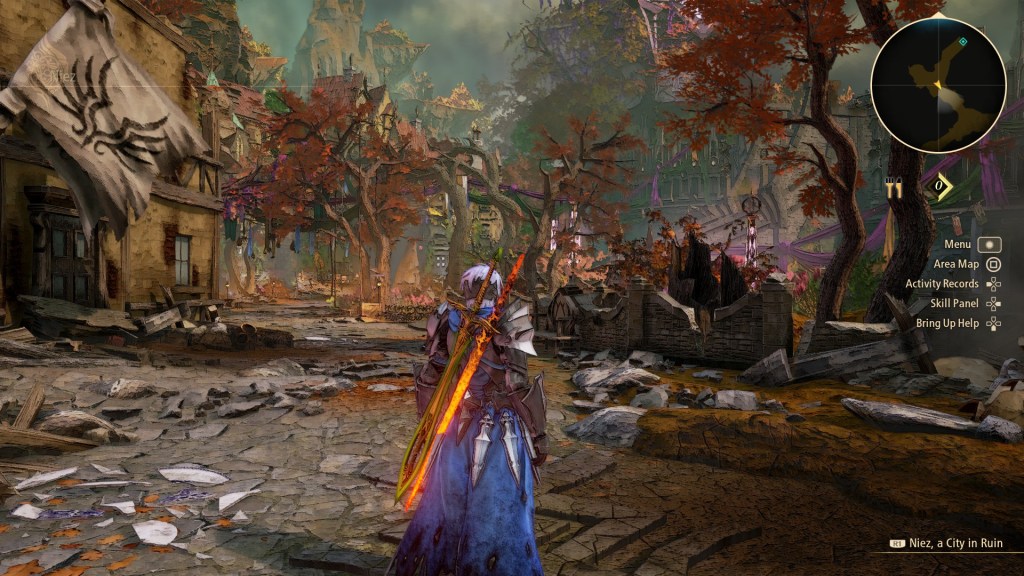
This feels like the JRPG I have been trying to find for ages, constantly flittering about wanting exactly this experience but not finding a game that would sate me. I suppose I hadn’t seen much of Tales before this, but the little I did know (the Zestiria anime, the Crestoria short and about 20 hours of Berseria) was…less than positive. The initial trailers really piqued my interest for some reason though, and after finally getting the chance to play it, yeah, my initial impression was correct. I was overwhelmingly positive on this game. It felt like I haven’t played such a cinematic game in a while, nor something as well-realised in world design. Arise fills the need for another Final Fantasy XII or Xenoblade style game that I’ve been craving for years. Turning on Auto mode for combat low-key gives it Gambits even!
The mix of hard sci-fi and fantasy is entirely my aesthetic. All the little places where it reminded me of Xenogears were great. Simply looking up at the sky and seeing those two planets looming overheard never stopped being cool, much like how I felt in FFVII Remake with the spectacle of the plates above. The game was incredibly pretty and never really stopped blowing me away with its set design. Soundtrack diversity could have been better but that’s just the Sakuraba tbh. Gameplay was solid. I love the trend of doing away with time-wasting in modern JRPGs. For as much as I adore the genre, to be honest I find a lot of them aren’t actually fun. There are a lot of times I feel like JRPGs are things I have to battle uphill in order to wrestle out the narrative as reward. But Arise was just a great video game.
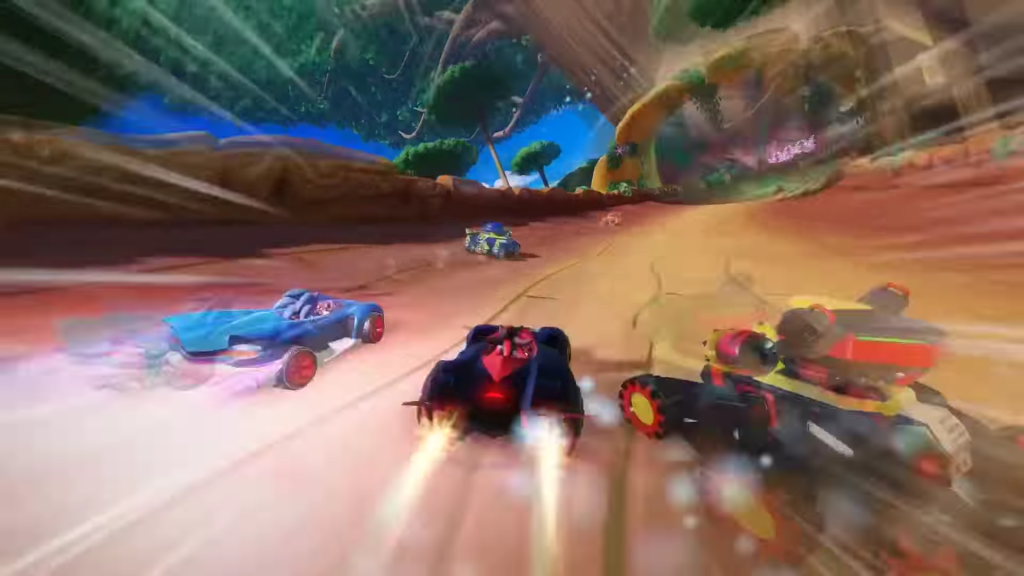
There’s nothing of value I can say, since this game’s discourse has long since finished. It’s not bad, but it’s severely bereft of content and the decision to discard the Sonic & Sega All-Stars brand misses that reviving long-dead IPs is what made the prior two games such a fresh experience.
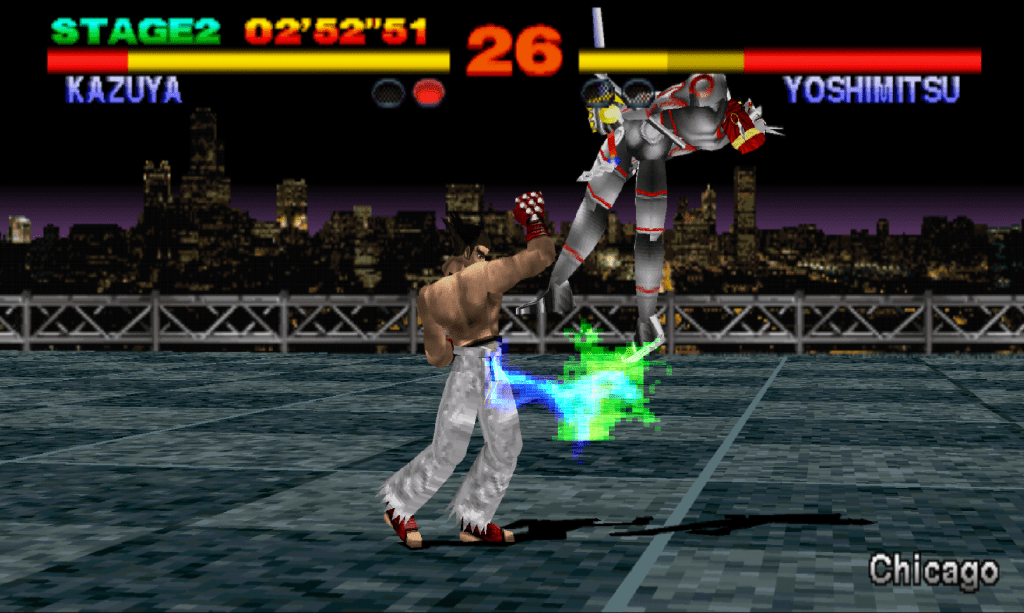
Terrifyingly difficult from the input-reading, quarter-draining arcade AI, insane damage output and primitive movesets (Law will haunt my dreams now). Positives: the Monument Valley theme. Negatives: Everything else.
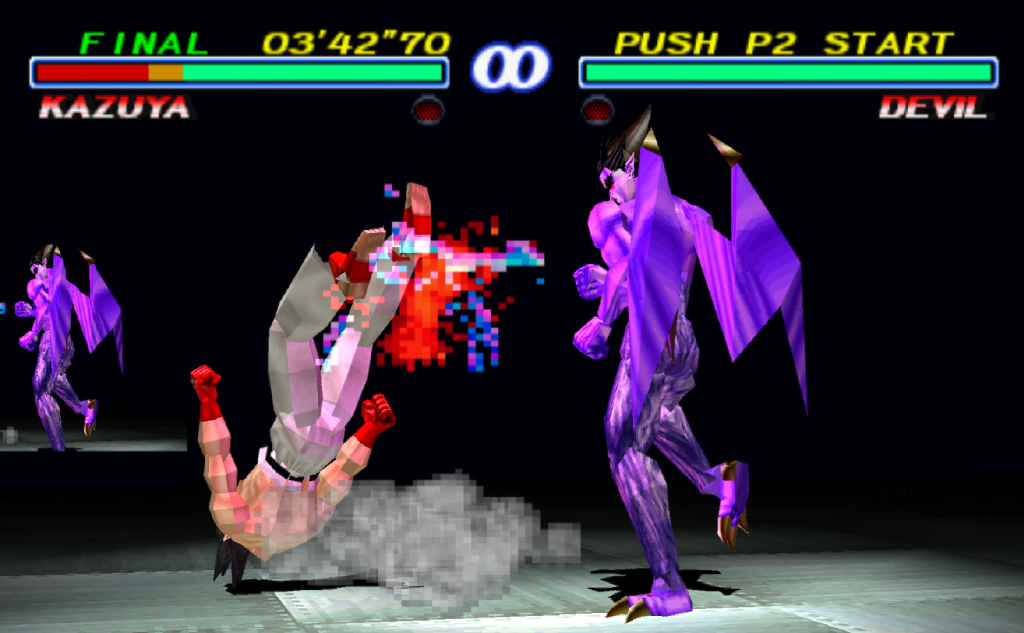
Immediately much easier by virtue of its more responsive controls. The game actually feels playable now and as a result I find myself able to tear arcade mode up in minutes from my long years of Tekken experience, compared to an arcade run in the original being a gruelling half-hour endeavour.
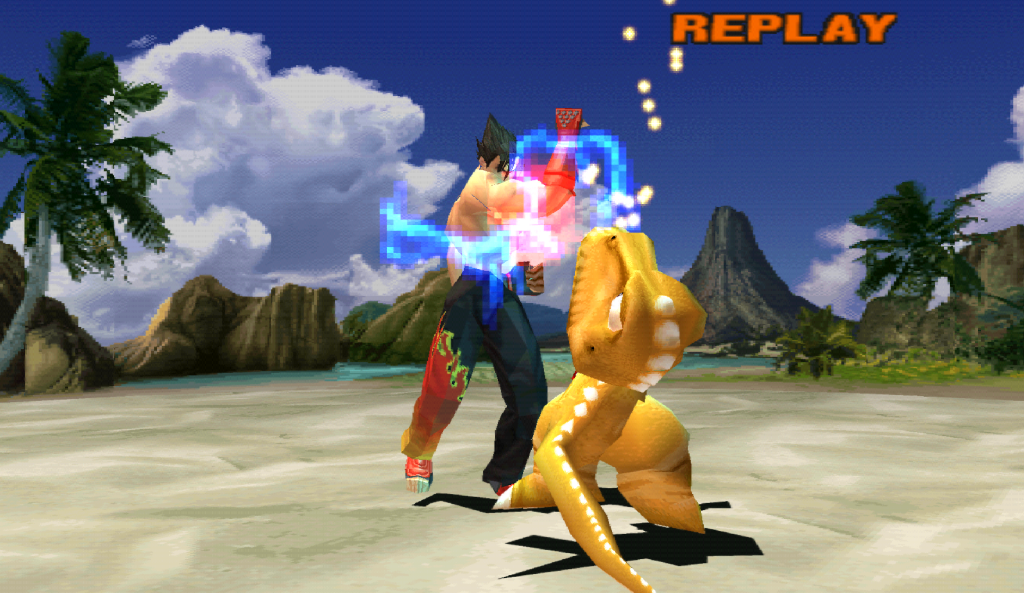
The first genuinely good Tekken. A huge upgrade in graphical quality, movement options and moveset density leads this to become the point where Tekken starts to feel like a fighting game which one would willingly play.
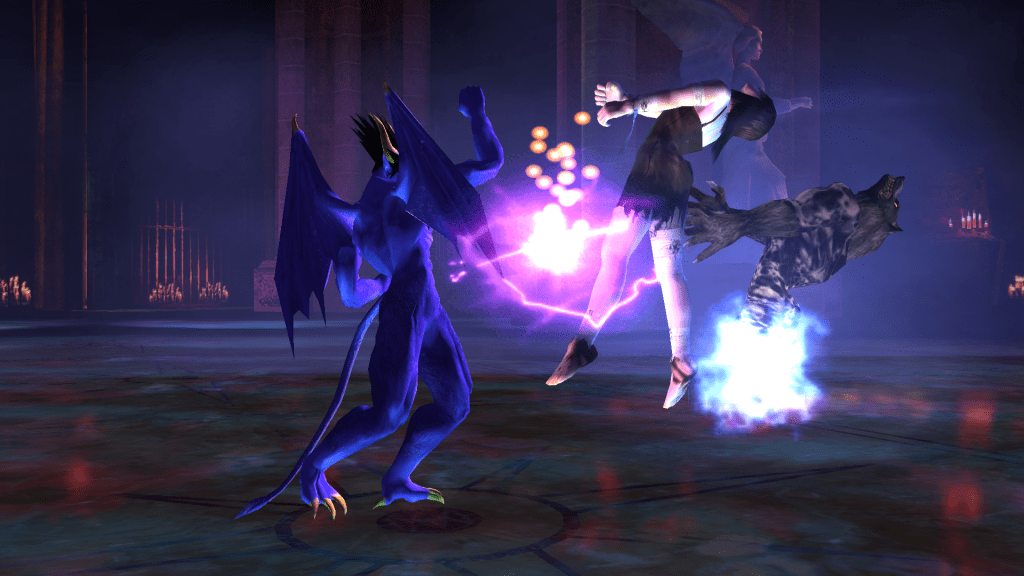
The first genuinely great Tekken.
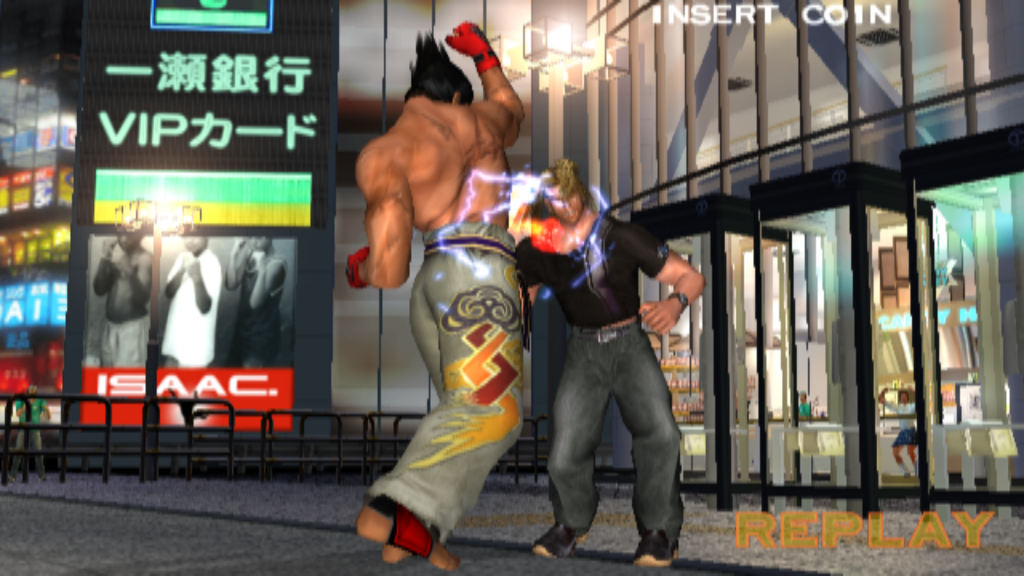
Goodbye Devil Kazuya.
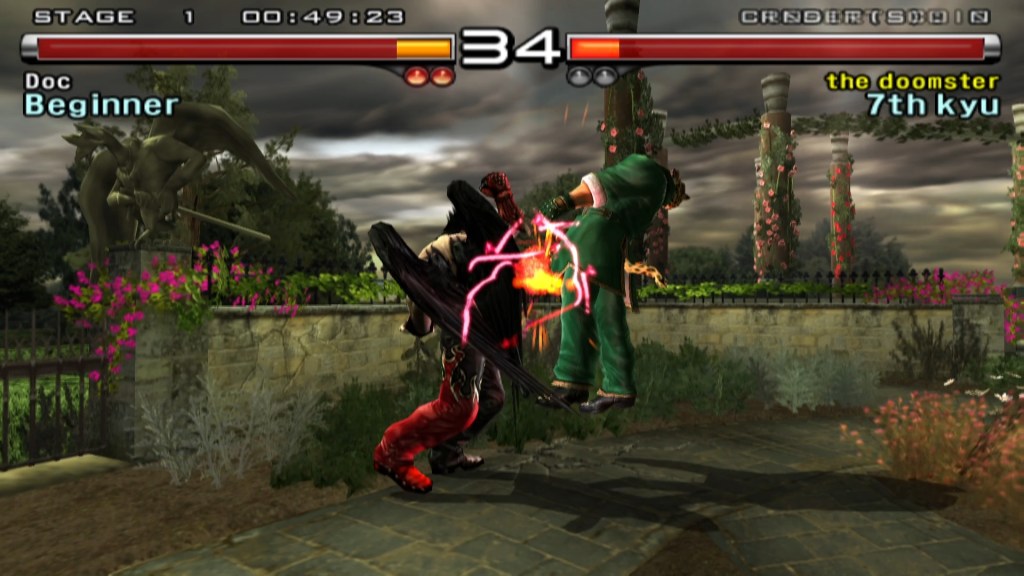
Hello Devil Jin.

Hello Devil Jin: Dark Resurrection. I am not good enough at Tekken to comprehend why DR is the darling.
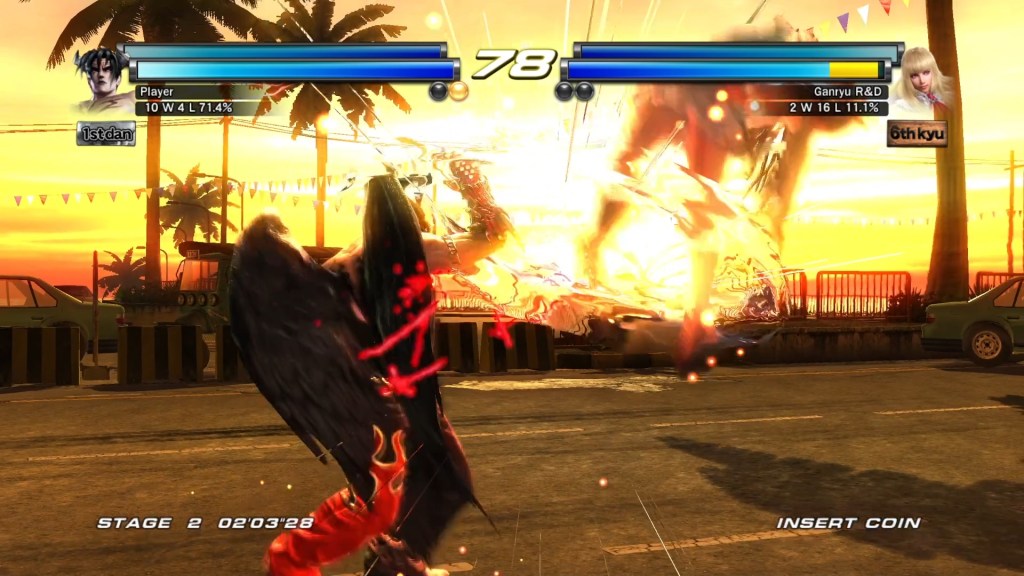
Still my favourite Tekken by far.
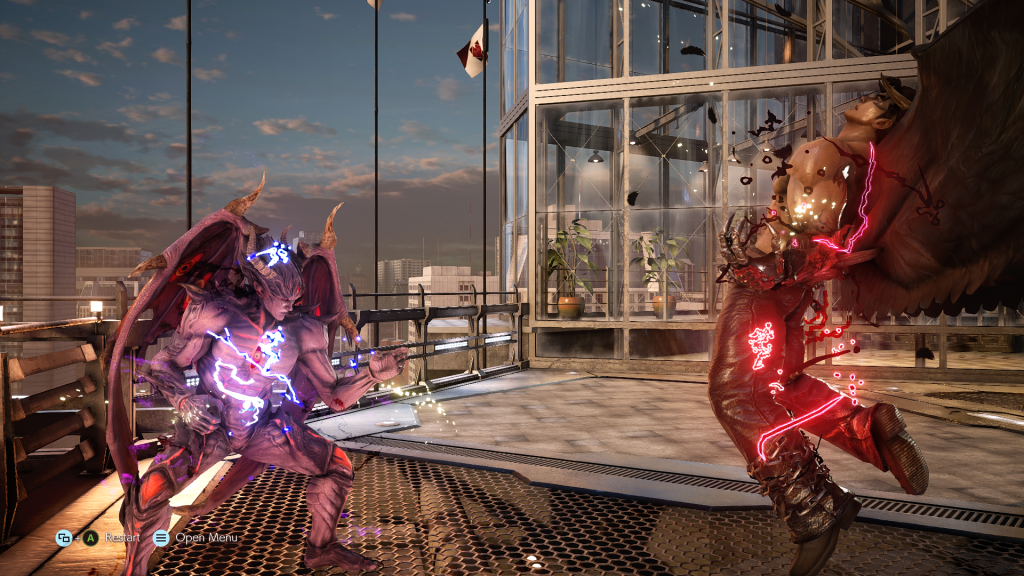
After a decade of sticking with Tekken Tag 2, I finally moved over to 7. There are, as I suspected, still a lot of grievances I have when I compare it to Tag 2 since a lot of my character pool was culled, but this is still ultimately modern Tekken and my main two Mishimas feel better than ever to play.
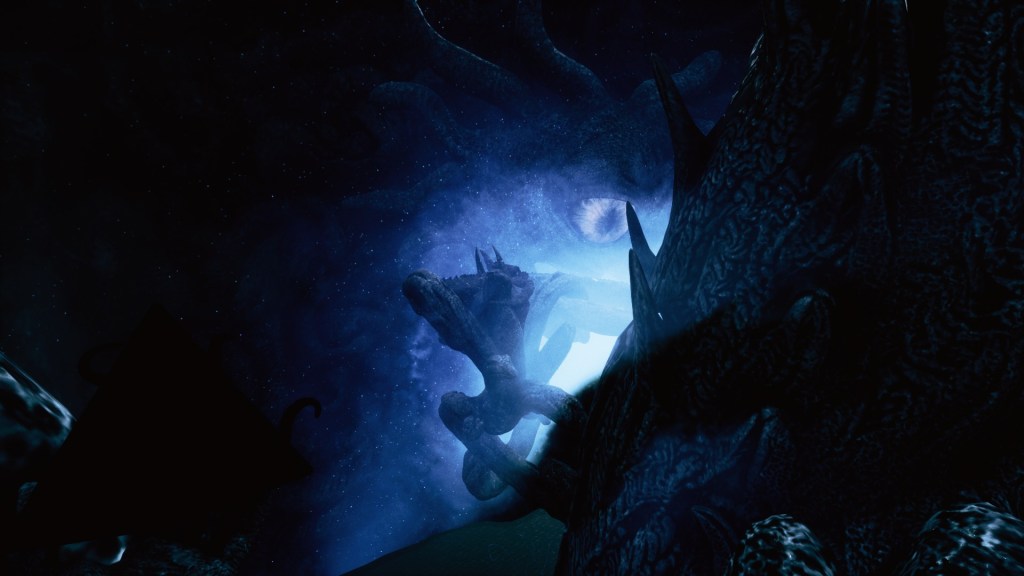
The graphics were kinda pretty but it was otherwise boring.
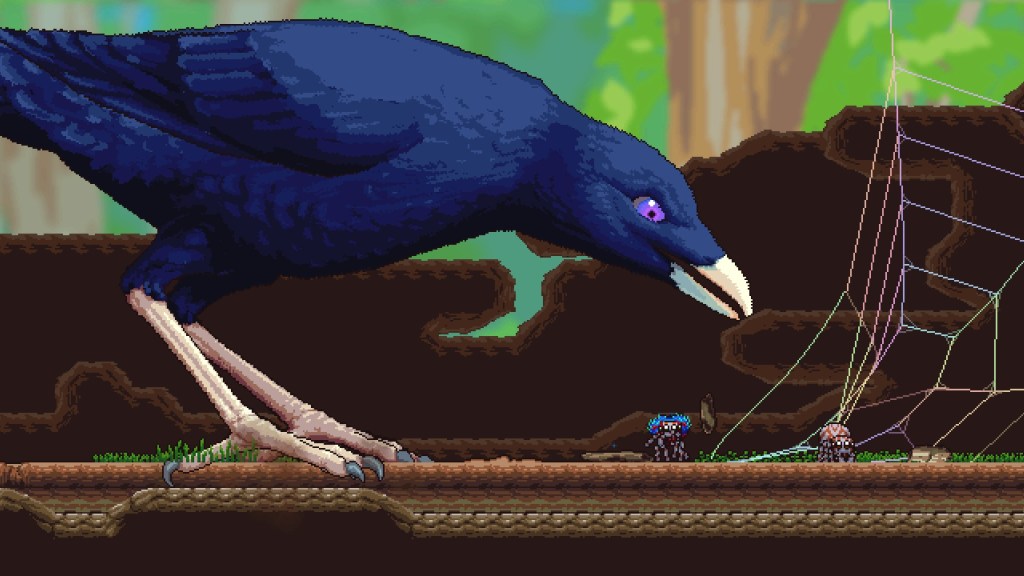
I can play a video game with a satin bowerbird in it this is awesome. There is a satin bowerbird boss theme even. Short, but quite enjoyable. I always love seeing representations of Australia in media so the gum trees, huntsmans and redbacks were all a bit of a spectacle. The web-swinging and bridge-building made movement feel very smooth, though level design felt fairly aimless across the board and puzzles were an annoyance more often than not. Nonetheless, it’s a cute little game.

Ideon in different clothing. Felt like I should have liked it more than I actually did? On a conceptual level I always find myself quite drawn in by solipsistic or languorous villains, so the slow build toward revealing the Monado’s sinister intent to deny the existence of anything beyond itself landed with me greatly. It was a shocking plot thread delivered well. The story is told with a greater sense of presence here than in the next game, but I think I ultimately prefer the ups-and-downs of Alrest. On the whole this story is definitely more mature than its pair, but because it takes a more reserved stance I find that the characters were lacking. Beyond Shulk none of them were really all that engaging, whereas if there’s one thing Xenoblade 2 really has on lock it’s the characters. The narrative and world design are certainly enough to carry this experience, and 8/10 is a very good score. It just didn’t leave a mark on me emotionally.
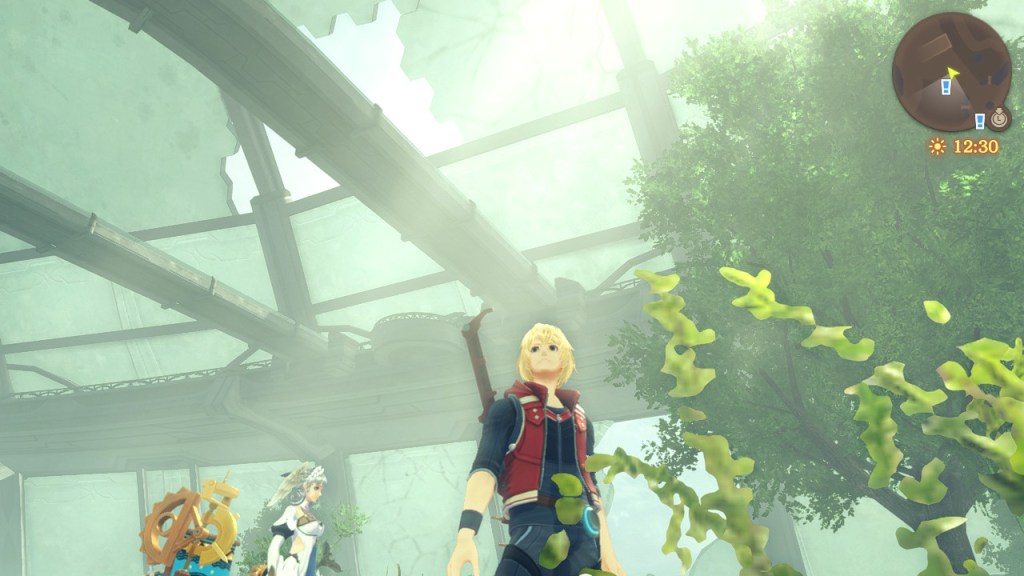
That’s gonna be a no from me. A firm one, at that. Future Connected is wholly pointless from a story standpoint, limited from a gameplay standpoint, and on its own doesn’t justify jeopardizing the closure gained in the main game’s ending. It reopens the narrative and introduces a new conflict for no apparent reason other than that they felt they needed some bonus piece for the remake. The characters walk and talk, but really only one event of any significance happens over the course of the expansion. I believe I’ve heard that Monolith has said certain plot elements from it will carry implication for Xenoblade 3* so maybe I’ll eventually change my tune if that one day releases, but at current it just ain’t good at all and actively harms the main game’s story.
* Note that this snippet was written in 2020, well before XB3 was announced.
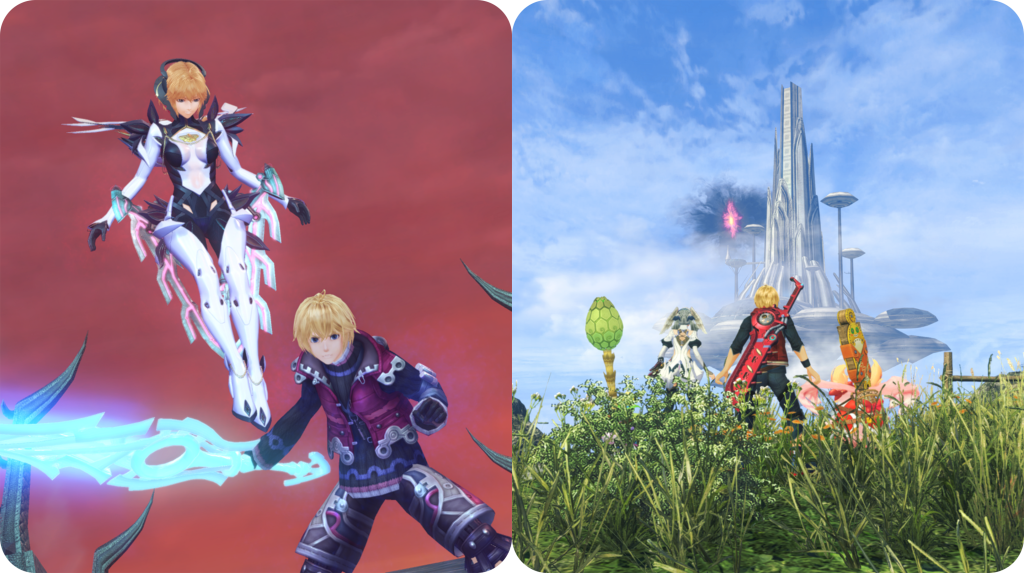
On a second playthrough I have come to recognise that this is just an incredibly solid, straightforward JRPG experience from start to finish. Having a researcher as the main character gives Shulk such unique presence among all the soldiers and scorned that usually populate the genre. Like XBX, revisiting this game I was again simply in a better frame of mind to appreciate how deeply Xenoblade and the Bionis reinterpret the tale of Xenogears and Deus. As for Future Connected: The first time I played this, I thought it was really, really stupid. But I think a lot of that frustration stemmed from me previously being in the camp that believed XB1 and XB2 do not end on the same continent. With the setting of the third game seemingly confirming they do, however, Future Connected becomes a lot better.*
*Again, this snippet was written before XB3 actually released. I should have stuck to my guns that they obviously were not connected. Future Connected just sucks I guess ¯\_(ツ)_/¯
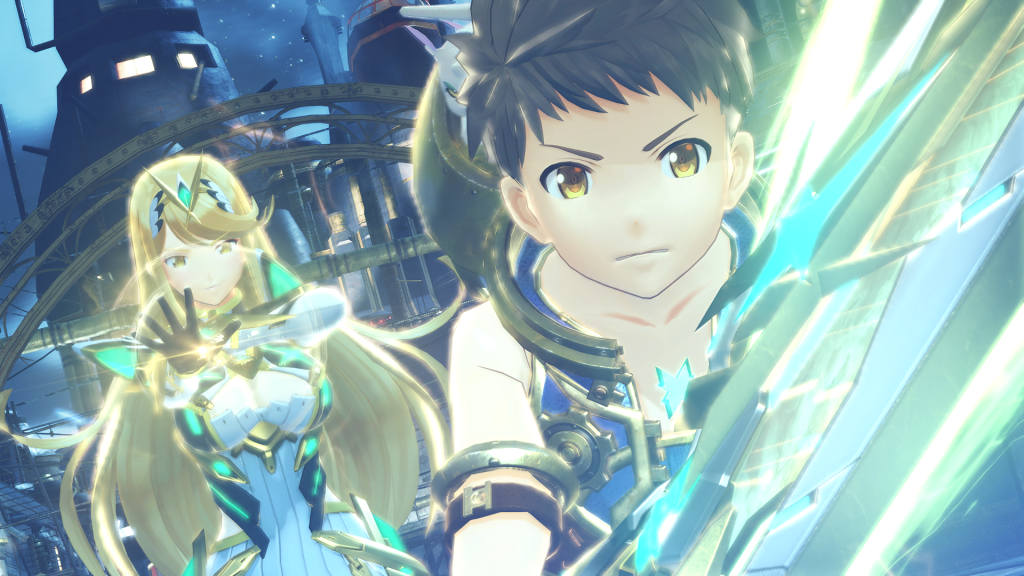
Earlier in the year I went through the whole Final Fantasy VII subseries again. Which had a myriad of benefits, but most particularly would be that journeying through it chronologically (or as much of a straight line as the overlapping stories will allow) wholly redefined my understanding and appreciation of Sephiroth’s character. A couple games past that I couldn’t resist the random temptation to do another rush through Xenoblade 2, and since I already had the files prepared from a previous endeavour, the next time I regained consciousness I was already multiple hours deep into it. This is such a comfort food game for me.
I think that was a good spot to do so. Directly adapting adapting plot elements from Xenogears, Xenosaga and the prior two Xenoblade titles, Xenoblade 2 is Monolith’s celebration of all things Xeno; The Weltall-Id is the Monado is the Aegis is the Y-Data is the Lifehold is the Conduit is the Zohar is the Morytha is the Zeboim is the ether is the ether is the so forth and the so forth. Why did the epic and serious not anime magic sword (not anime btw) become the magic waifu sword xebdoblade how coud you do this to ME!?!?!?!? Well, because that’s the relationship Xenogears and Xenosaga already had in place. The Weltall mech’s Evangelion-derivative role is shrunk down into the iconic robot girlfriend KOS-MOS. Xenoblade is simply emulating that stylistic leap, in fact Xenoblade 2’s whole ending sequence is even lifted beat-for-beat from Xenosaga I. Marubeni is based on Margulis and that’s why Shulk uses the Hilbert Effect to defeat the Fog King which is actually the Infernal Guldo and also a Gnosis. It’s not something I could dare describe in summation because the references are so plentiful. The Zohar connects it all beyond space, time and intellectual ownership. Perhaps due to its long growing pains before finally finding stability in Nintendo, this series is incredibly iterative. Each new chapter reinterprets Xenogears in some way or another. I’ve still yet to get to Xenosaga 2 and 3, but even still, approaching XC2 equipped with the context of its surrounding games totally reinvents the experience, breathes new life into it, because you are positioned to notice how much history feeds into every story element. And since the franchise has always been such an homage-centric project, that celebratory direction naturally encompasses the original game’s intertextual connection with FFVII. Xenogears was adapted from one early concept of the FFVII script, so there are major similarities in their plot progression, themes and visual setpieces. Xenoblade 2 does not overtake it in that. But in other areas it still feels just as reminiscent, since the secondary antagonist (whom thus defines a large part of the story) is one big FFVII reference. Jin being inspired by Sephiroth is not exactly a secret (the design link between Acting God Amalthus and the Diamond Weapon might be though), but observing both characters in such proximity heightens its effect; The greatest hero expresses his love to mankind and is betrayed, falling into madness and turning his Masamune upon the people he now deemed unworthy to hold the world. The primary difference between them is that Jin fails to truly give up on love. He surrounds himself with new allies instead of truly severing everything around him. Both his power and his pride don’t manage to measure up to Sephiroth, so Rex’s optimistic convictions successfully seep into Jin. He reveals what Sephiroth could have been like had he not truly given up hope, and in doing so they become alternate routes of sorts that synergise and enhance their character depth. In some ways Jin is a better remnant of Sephiroth than the actual Remnants of Sephiroth (although I did somehow do the unthinkable and come to quite like Kadaj after his recontextualisation in one of the side-story books). That was what I really got out of Xenoblade 2 this time. A newfound appreciation for Jin through the context of Sephiroth.

A shame that I had issues that prevented me from emulating this for the replay, but oh well. Still a stunning little tragedy. Despite her brief screentime, Lora is a captivating protagonist who quickly draws you in with her great character design and bubbly personality. Addam creates a ditzy first impression yet ends up being quite a thoughtful character too, in a way reminiscent of Zack Fair. He’s friendly, but immensely cognizant of his position as royalty and jaded at the responsibility it forces him to bear. What is allowed to happen in his story is immensely benefitted by Torna: the Golden Country’s position adjacent to the established game, since the existence of a future resolution permits the end of his character arc to be this powerful moment of him failing to overcome his fear of Mythra’s power, leading her to run rampant. Designing the Community system to try and force empathy from the player in Torna’s fall was too cheap to be viewed with anything but cynicism, but for those two main characters, yeah, the destruction at the end hurts to witness.
Revisiting this after other Xeno entries I do greatly appreciate the Sirens being Omnigears, and in particular how much of Weltall’s design is carried over to Malos’ mech. The mech battles during the fall of Torna are some of my favourite.

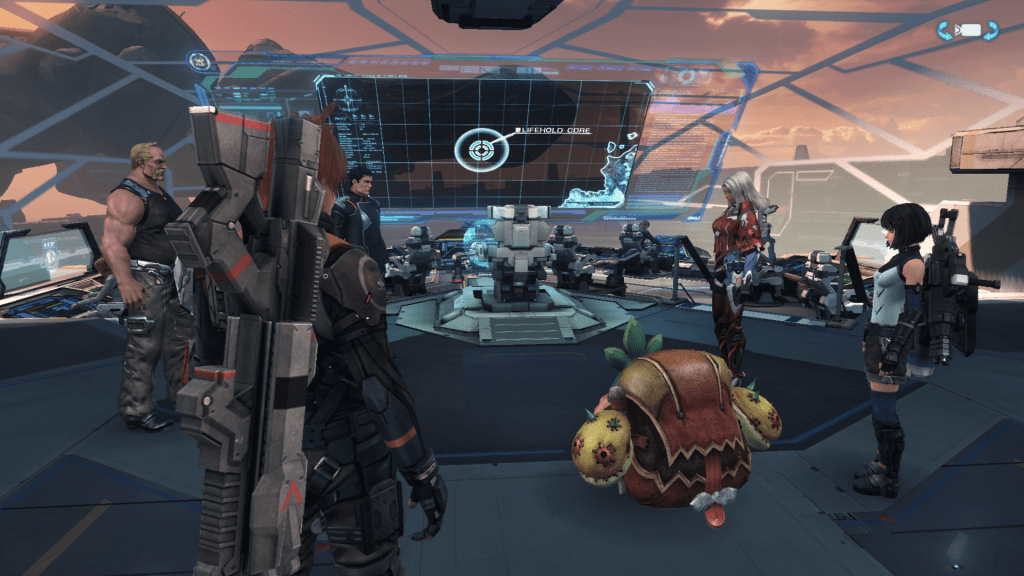
An experiment, but not wholly a successful one. Xenoblade Chronicles X is interesting for as long as there are new things to see, essentially. The story, characters, combat and music aren’t remarkable enough on their own, but this is perhaps permissible as environmental design has always been Xenoblade’s biggest draw to me. In comparison to XC2 however XCX is rather starved of locales with only five regions. This could have worked better if the game was shorter or if locations were drip-fed, but it doesn’t lock exploration behind plot requirements or any gated progression, instead providing the capacity to wander the world in its full extent at any point in the game. While this is a nice move in theory (titles such as Breath of the Wild illustrate how fun freedom can be), in practice it becomes its biggest detriment. Exploring inevitably damages any motivation to push the narrative or continue playing the game, as being forced to retread grounds already covered soon becomes a chore. This leads to a rather abrasive friction between story and gameplay progression that the plot is not engaging enough to distract from. Other than that I’ll just say that a lot of things weren’t to my taste. Military tales of buff soldiers and their jargon are always something that struggle to catch my interest, for example when I played Vanquish I turned off the dialogue and skipped every cutscene. There were also a lot of frustrating design choices that I didn’t agree with: Skells not respawning automatically is a pace-breaker that damages the fun more than it benefits it imo, and is particularly problematic in the final boss room as losing them meant I had to reboot the entire game to get them back. Or another example is that the abundance of quick travel points ends up damaging the adventurous core of the game, since the optimal course of action quickly devolves into a cycle of “teleport here, trigger cutscene, teleport back” without ever having the opportunity to immerse yourself in its gorgeous landscapes. And that’s to say nothing of its ridiculous fetch quests which so often were completely devoid of information on where to actually fetch said items inside its exceptionally large environments. These endeavours were annoying enough that they tarnished the joy of being able to run around the natural beauty of Primordia and Noctilum. There’s a balance there which Xenoblade X does not strike. Another grievance to mention is the sound direction. It really felt like the game had half the amount of tracks it needed for how massive its world was. I don’t remember Xenoblade 2 ever making me feel like its soundtrack was spread thin, yet Xenoblade X quickly reaches this point. I also need to criticize the decision to have a dedicated theme for the skell flight module, it becomes extremely jarring when you want to constantly shift between ground and sky (exacerbated by the fact that flight replaces jumping) – it reminds me of Final Fantasy VII where the airship constantly jumped between Highwind Takes to the Skies and The Great Northern Cave and the ensuing tonal whiplash. It was an experimental game and I respect that, but XCX ultimately wasn’t something I was huge on beyond the initial rush of exploration (that first push into Noctilum was magical). Indeed I think that the Xenoblade franchise has some of the best environmental design in the JRPG genre and X was no exception, but in my opinion that was really all this game had to offer. It wasn’t bad, just par for the course; Xenoblade Chronicles X for me was simply an unremarkable game wholly carried by its strong world design.
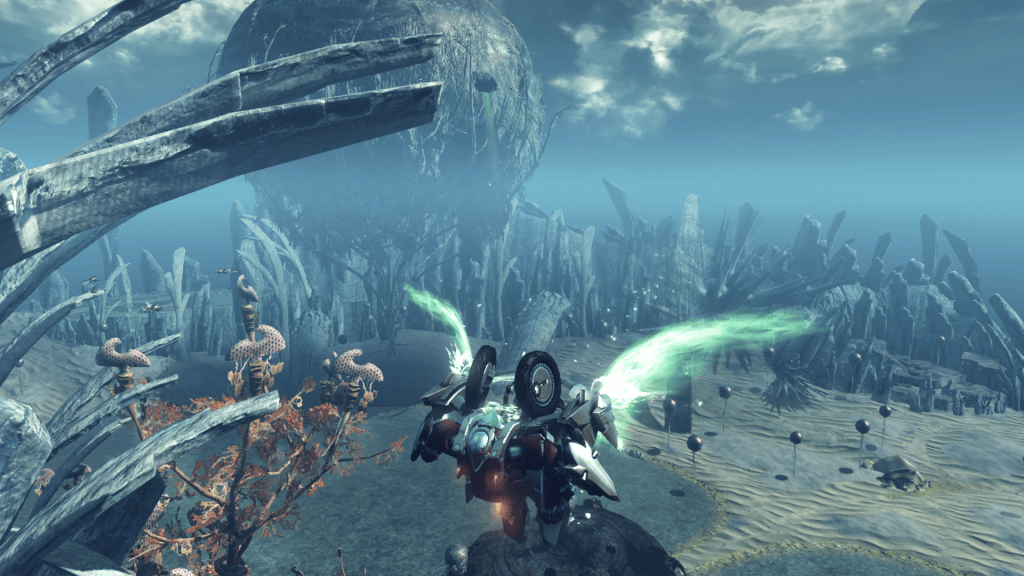
Quite enjoyed this on a replay. My prior criticisms of the gameplay loop and insubstantial amount of music still stand, but were lessened since I only rushed the main story and little else this time around. Furthermore I was far better equipped to recognise all the homage this game makes toward Xenogears, affording me the appreciation of the game’s plot sections that I was not able to find on my first playthrough.
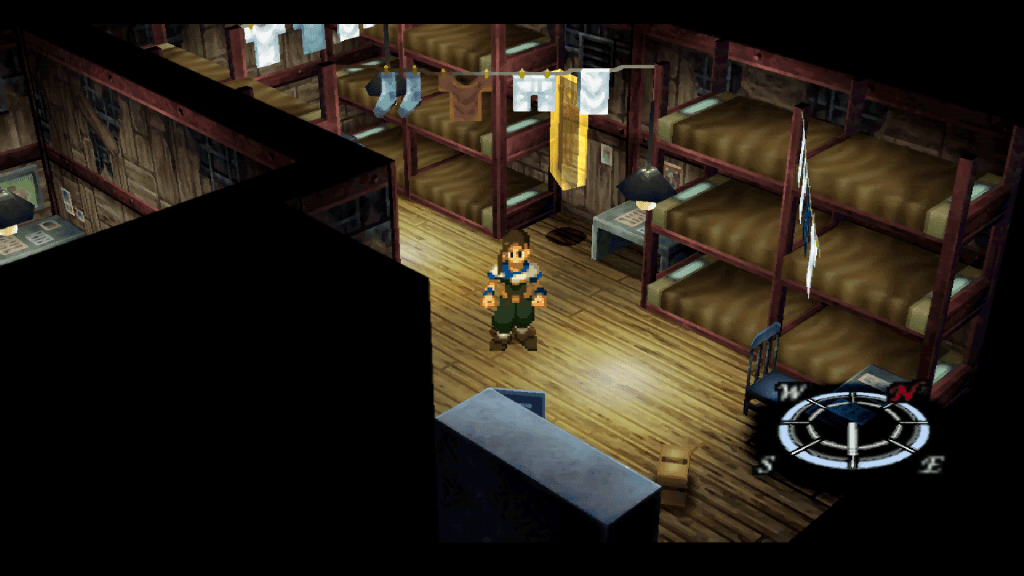
I won’t be entering this game’s cult any time soon, but I do understand its praises. The story starts with a bang and it takes quite a while before that strong opening momentum starts to settle. It’s interesting to return to this and observe how much of the formula for Xenoblade’s jumping exploration was already designed way back here. Although Xenoblade 2 is the title most characteristic of the franchise for incorporating and celebrating elements of all the other entries, this original story has a particular quality to it that nonetheless makes me willing to consider this the quintessential title in the prestigious Xeno franchise. But the combat becomes a chore sooner rather than later, and in the end it was only the decision to use cheats that gave me the motivation to push through the remaining disc and a half.
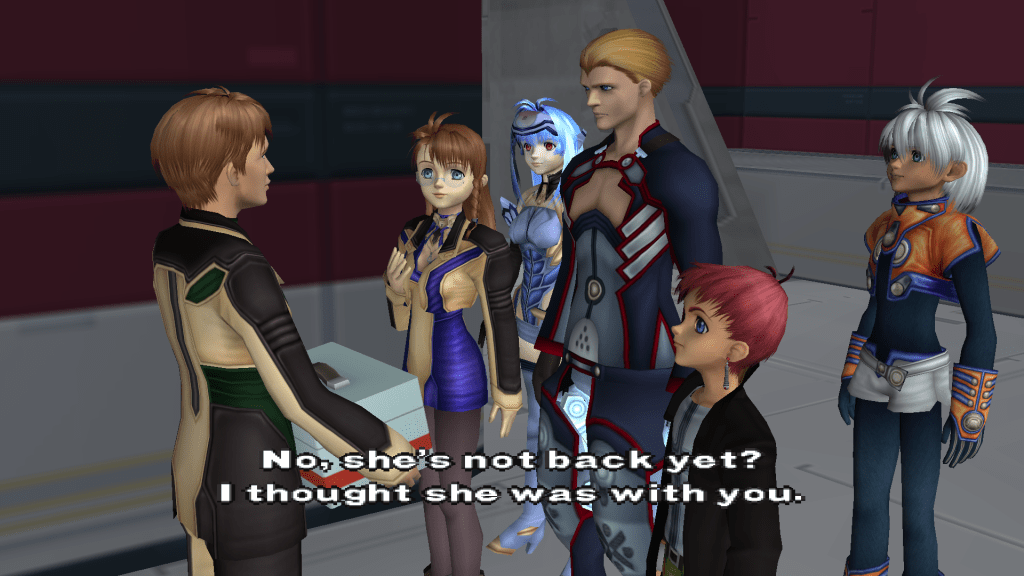
Not my favourite thing in the world. The Playstation 2 was an awkward era for a lot of games, and Xenosaga doesn’t really escape that. The character art style occupies a clunky (and oftentimes uncomfortable) midpoint between Xenogears’ 90s OVA aesthetic and Xenoblade’s sleek modern anime. However I did greatly appreciate the abundant intertextual links to the later franchise. KOS-MOS was such an iconic character, so her design gets carried down through Elma and the Aegis. The Zohar’s presence in Xenoblade under the name Conduit is well-documented too. But I was quite surprised to find other key imagery being borrowed, like the tree seen in both Febronia and Pyra’s inner world, or Xenoblade 2 actually having the exact same ending sequence.
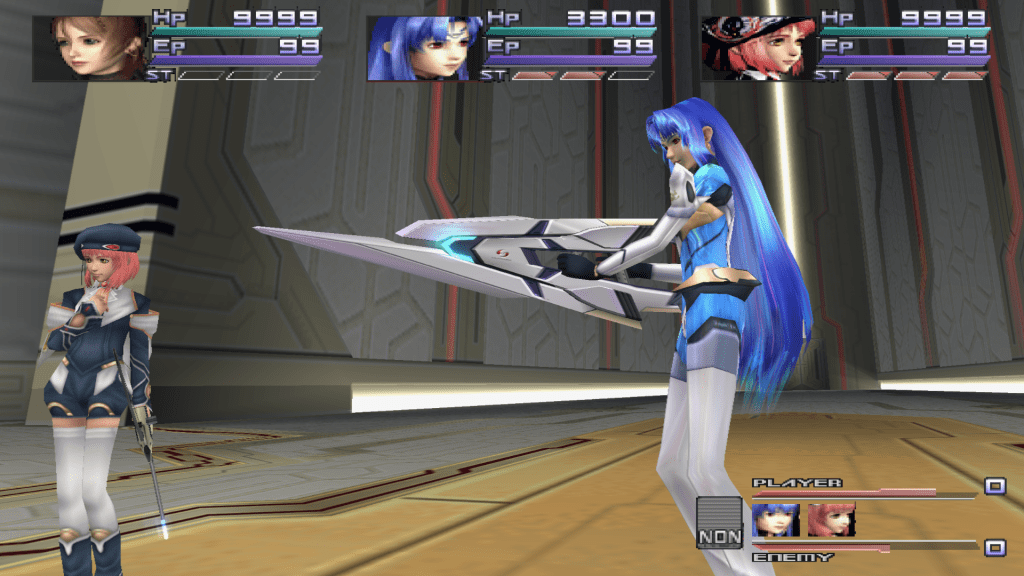
As always, Xenosaga is extremely fascinating to see in motion. On a plot level I feel that it does lag behind Xenogears and Xenoblade. Shion is probably a more engaging protagonist than Rex or Shulk, but she doesn’t catch me as much as Fei did, and with KOS-MOS I feel as though I’m enamoured more with her as the original Aegis concept than I am as a specific character. The way her character design and link to the Zohar are parroted by Mythra is cool, but beyond that I’m actually quite surprised at how much Xenosaga’s first two games weren’t centred on her. U-DO is a more generic evil force than the Wave Existence or Monado were, and Albedo is definitely the worst Xeno antagonist. He’s so obnoxious. I don’t like the URTV characters all that much, which did mean that the back half of XS2 would lose me for large swaths of screentime. So far it definitely lacks the same hook that the other Xeno games have. But in terms of its story mechanics, it’s pure spectacle. Xenosaga is the answer to nearly all of the franchise’s questions. Xenogears and Xenoblade are both fantasy settings (with mechs) which slowly peel away the surface-layer to reveal that they’re set after the collapse of a hyper-technological civilisation, so Xenosaga being set at the height of that culture gives it such unique presence. The other games will offer the slightest glimpses of the Zohar’s power as a meta-universe manifold/infinite energy engine in their finales, but Xenosaga lets it run totally rampant. Proto Omega cracking the entire planet was insane (I knew Xenosaga’s setting and cutscene-heavy presentation inspired Star Ocean 4, but I wasn’t expecting another giant planet dragon thing).
Plus there is always the obligatory Xeno visual iterations. I don’t recall if KOS-MOS’ sword-rifle looked that way in the first game too, but here I definitely took note of it as potential inspiration for Pneuma’s Monado. I had forgotten how Margulis’ disgust toward the human condition and manipulation of the church later inspires Marubeni too. There were a lot more things that I noted down but honestly it’s so many little adaptational nods that I just can’t be bothered trying to comprehensively present it, so the similar sword design and god-mech are some of the more visible memetic setpieces.
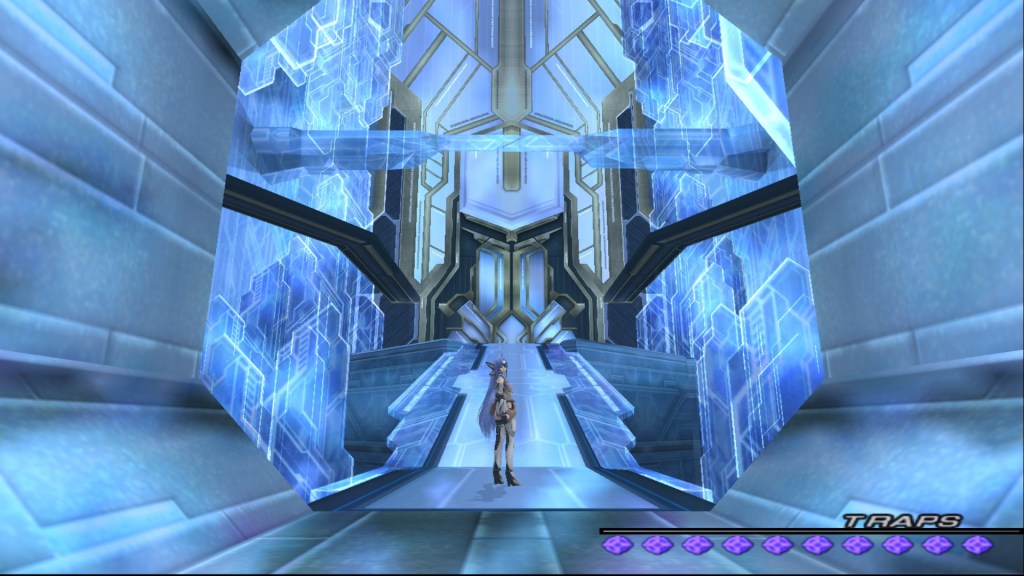
This won’t necessarily be upsetting my franchise rankings, but I do understand the fanbase’s obsession with this particular game. Out of any entry in the Xeno series, the characters were simply performing at their best here, with nuance to every interaction and the morality of their motivations constantly in flux. Shion is the best Xeno protagonist and it’s not even close. So compelling a character arc. I think it’s interesting in the move from the first game to the second where you start to see her responsible scientist persona peel away and she shows off more of her bad habits, and then the climax of the third game with her very nearly abandoning everything for Kevin created so many powerful character moments. Jin was super great here as well. I didn’t think too much of him in the previous game, but Xenosaga III gives him such a delicate emotional performance. Pulled somewhere between a martyr, judge and deceiver. Trying to take everything in his own hands because his emotions simply didn’t let him trust others as much as he should. Self-loathing, self-righteous and wholly broken. It was such an interesting dynamic, especially in how it synergises with Margulis’ own languor.
One thing I do quite appreciate in Xenosaga is how actively the storytelling makes use of its various concepts. Compared to say, Artifice Aion in Xenoblade 2, Omega was permitted to remain a constant presence. Its plot made full use of the lore it had worked to establish, the graphics were gorgeous (doubly so after the weird art direction in the second game) and the music was easily the best in the trilogy. Until this point I felt like Xenosaga’s music was lacking in identity and oddly unmemorable when placed against Xenogears and Xenoblade. The combat, well, I hacked my way through the entire trilogy, but from a design standpoint the systems in the third game seemed the best. Interaction with the level design felt a lot snappier than it previously did too, though obviously stunted when compared to all the jumping and vertical level design in the other two Xeno branches. The interlinking design elements are always one of my favourite parts to fixate on in any given Xeno playthrough, so this entry gets additional bonus points for how plainly it engages with Xenogears, as well as stylistically setting the scene for Xenoblade.
 skapbadoa

Leave a comment